
U.S. Consumer Confidence Declines Amid Rising Inflation and Gas Prices
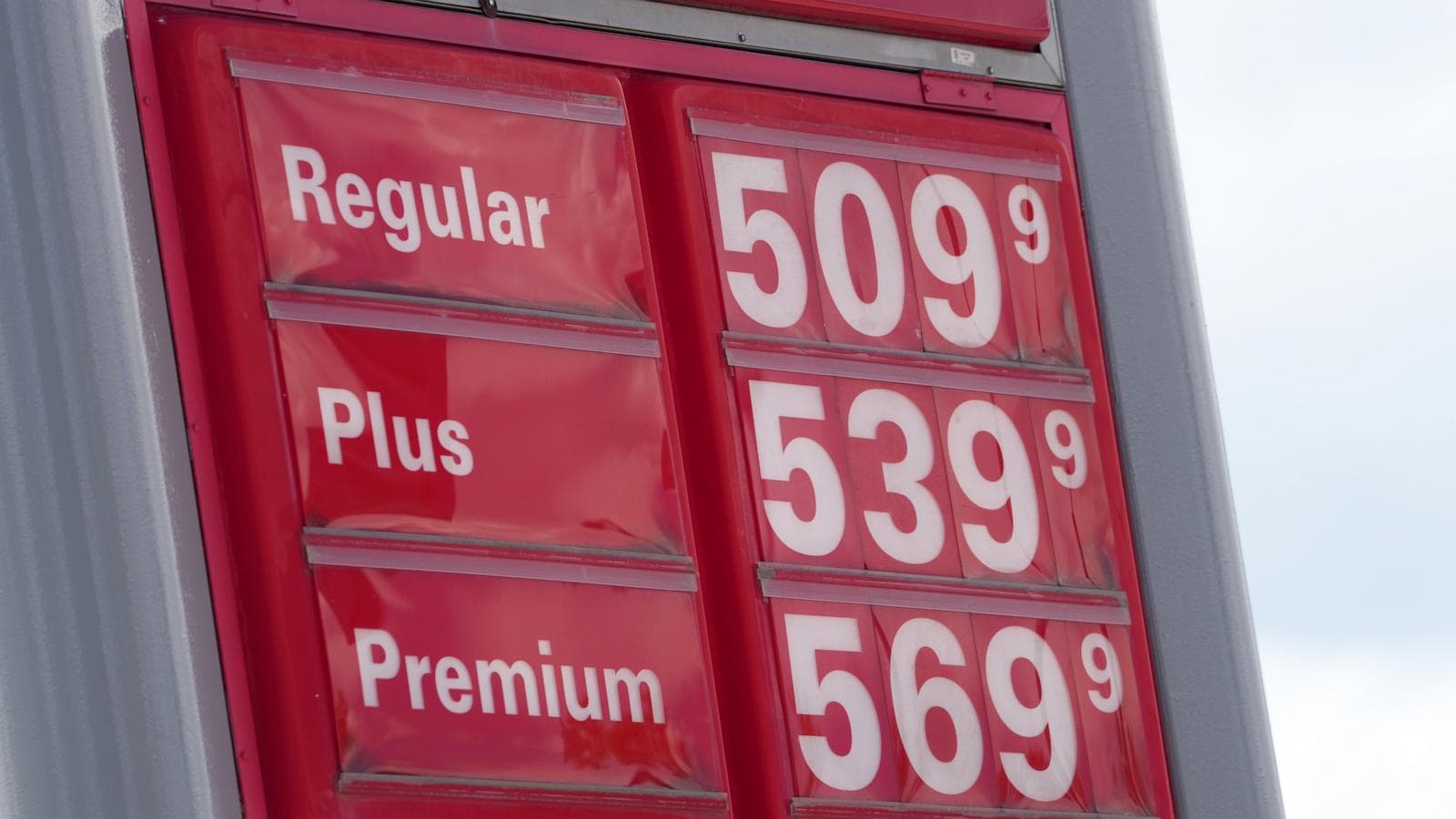
Here's what it means for you.
The decline in consumer confidence signals a shift in spending habits that could impact various sectors of the economy. As two-thirds of Americans cut back on expenditures due to rising gas prices and inflation, businesses may face reduced sales and revenue. This cautious approach to spending could hinder economic recovery and growth, prompting policymakers to consider interventions. The juxtaposition of a thriving stock market against declining consumer sentiment highlights a disconnect that could have long-term implications. As consumers prioritize essential purchases, industries reliant on discretionary spending may experience challenges.
What happened
Two-thirds of Americans are reducing their spending amid rising gas prices and inflation. This significant shift in consumer behavior comes as gas prices have surged by 51% since February, creating financial strain for many households. Additionally, real wages have decreased for the first time in three years, further contributing to the pullback in consumer expenditures.
Despite the U.S. stock market reaching near-record highs, consumer confidence has declined. Many individuals are feeling the financial squeeze, leading to smaller grocery trips and delayed vacations. This trend indicates a broader concern among consumers regarding their financial stability.
The Context
The current economic landscape is marked by rising costs and inflation, which are affecting everyday Americans. Gas prices have seen a dramatic increase, and the decline in real wages has compounded the issue, making it difficult for consumers to maintain their previous spending levels. This situation is particularly concerning as consumer confidence typically plays a crucial role in driving economic growth.
The disconnect between stock market performance and consumer sentiment raises questions about the sustainability of economic recovery. While financial markets may thrive, the reality for many Americans is a tightening budget and a reevaluation of spending priorities. This shift could have lasting effects on various sectors, particularly those dependent on consumer spending.
Takeaway
As inflation persists, consumer spending habits may continue to shift, impacting economic growth. Observers should monitor changes in consumer behavior in the coming months, as this could signal broader economic trends. Additionally, potential policy responses to address inflation and its effects on the economy will be critical in shaping future consumer confidence.
The ongoing inflationary pressures suggest that a prolonged period of cautious consumer spending may be on the horizon. This could hinder economic recovery efforts and necessitate strategic adjustments from businesses and policymakers alike.
Corporate finance news, M&A, deals, and executive interviews.
"Finance Monthly serves a professional readership with corporate finance coverage."
— A47 Editor
Americans Are Starting to Pull Back Spending as Rising Costs Squeeze Confidence Across the Economy
A growing number of Americans are reducing their spending as rising costs and inflation squeeze their confidence in the economy, leading to smaller grocery trips, delayed vacations, and longer retention of vehicles. This trend is evident despite Wall...
Major U.S. developments and regional news.
"ABC News delivers broad national coverage with a mainstream editorial stance, focusing on accessibility and balanced reporting."
— A47 Editor
As US stock market hits new highs, 2 of 3 Americans are cutting back on spending, survey shows
U.S. consumer confidence has declined slightly this month, with a survey indicating that two-thirds of Americans are cutting back on spending, despite the stock market reaching new highs. High gas prices and persistent inflation are contributing fact...
Corporate leadership, finance, technology, and market trends.
"Fortune covers financial trends, leadership, and innovation with a pragmatic editorial approach."
— A47 Editor
Gas is up 51% since February. Americans just started buying less of everything else
Gas prices in the United States have surged by 51% since February, leading to a significant decline in consumer spending, with two-thirds of Americans reportedly pulling back on purchases. This marks the first time in three years that real wages have...