
Oil prices rebound following Iranian strikes on U.S. forces
Here's what it means for you.
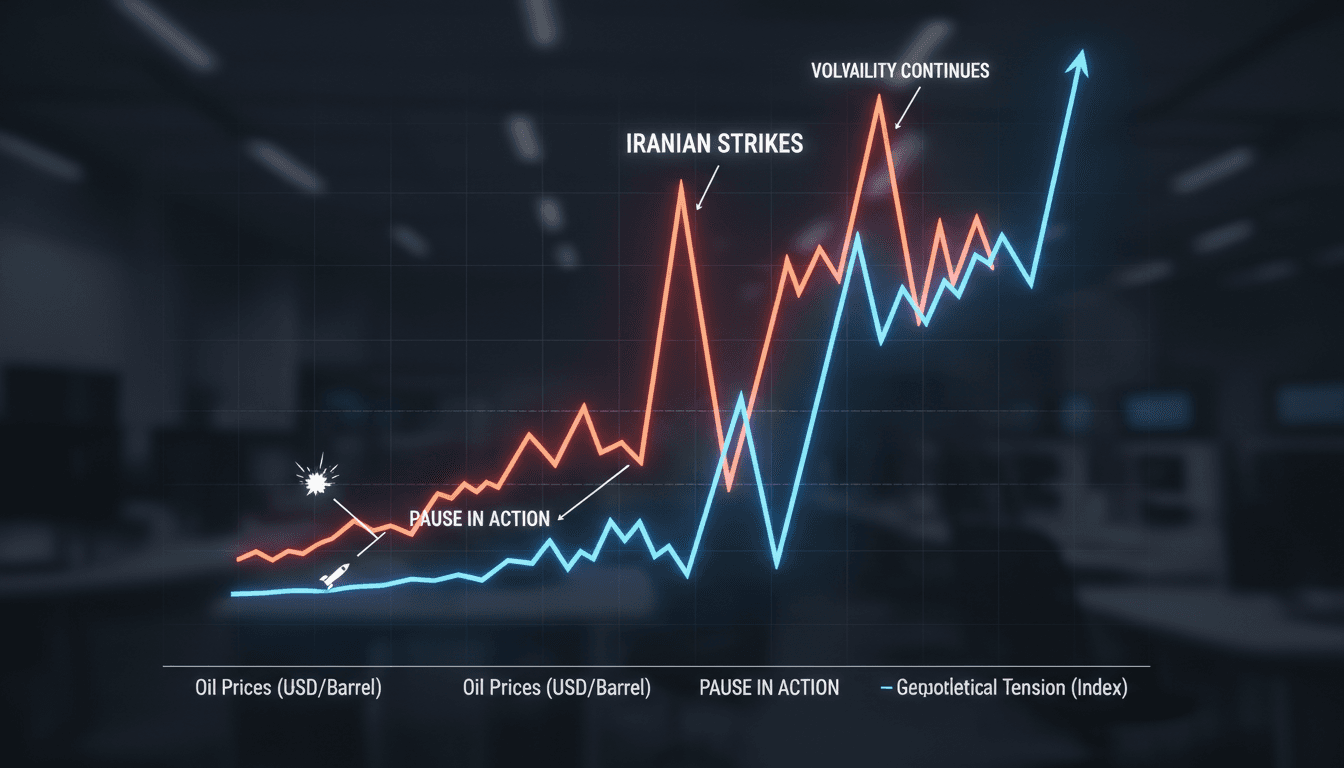
The recent fluctuations in oil prices underscore the market's sensitivity to geopolitical tensions, particularly between the U.S. and Iran. As military actions pause, there is a temporary relief that could lead to negotiations, but renewed hostilities quickly reverse any gains. For investors and policymakers, this volatility signals the need for close monitoring of international relations, as they directly impact energy markets. The ongoing situation highlights the interconnectedness of global politics and oil prices, making it crucial for stakeholders to stay informed. The potential for further military actions or diplomatic negotiations will continue to shape market expectations.
What happened
Oil prices fell 5% to a two-week low amid a pause in U.S.-Iran military actions. This decline reflected market expectations for renewed negotiations following a period of no U.S. strikes on Iranian targets. However, the situation escalated when Iranian forces launched strikes on U.S. troops, leading to a sharp rebound in oil prices.
The Iranian strikes resulted in a 7% increase in oil prices, demonstrating the market's immediate reaction to geopolitical developments. This volatility indicates a highly sensitive environment where military actions can swiftly alter market dynamics.
The Context
The backdrop of this situation involves ongoing tensions between the U.S. and Iran, with both nations having a significant impact on global oil supply. The recent pause in U.S. strikes raised hopes for negotiations and the reopening of the Strait of Hormuz, a critical passage for oil shipments. However, the resumption of hostilities has quickly shifted market sentiment.
Oil futures have now declined for three consecutive sessions, reflecting the uncertainty surrounding U.S.-Iran relations. The fluctuating prices are a reminder of how geopolitical events can influence energy markets, affecting not only investors but also consumers and policymakers.
Takeaway
Looking ahead, the oil market is likely to remain volatile as developments in U.S.-Iran relations unfold. Stakeholders should watch for potential resumption of negotiations, which could stabilize prices, or further military actions that might exacerbate volatility. The ongoing geopolitical situation will continue to influence oil prices in the near future, making it essential for market participants to stay alert.
As the situation evolves, the interplay between military actions and diplomatic efforts will be crucial in determining the trajectory of oil prices. Investors should prepare for continued fluctuations as the market reacts to these developments.
UAE-based English-language newspaper covering regional politics, economics, and global affairs.
"The National reflects Emirati policy perspectives while maintaining international editorial standards."
— A47 Editor
Oil jumps 7% after Iran strikes US forces and Saudi Arabia hits Iraq
Oil prices surged by 7% following missile strikes by Iran on U.S. forces and subsequent airstrikes by Saudi Arabia targeting Iran-backed groups in Iraq. This escalation in hostilities has heightened tensions in the Middle East, impacting global oil m...
Oil, metals, and agriculture: supply/demand headlines, OPEC chatter, inventories, and price action.
"Solid tape for energy and metals traders tracking macro and micro catalysts."
— A47 Editor
Oil prices fall 5% to two-week low after several days without US-Iran strikes
Oil prices have fallen by 5% to a two-week low, following several days without military strikes between the United States and Iran. This decline reflects market reactions to the easing of tensions in the Middle East, as investors weigh the implicatio...
U.S. business news, corporate developments, and economy.
"The Wall Street Journal is respected for deep financial and economic reporting with a center-right editorial perspective."
— A47 Editor
Oil Futures Fall for Third Straight Session
Oil futures have declined for the third consecutive session, driven by a pause in U.S. military strikes against Iran, which has raised hopes for renewed negotiations and a potential reopening of the Strait of Hormuz. This development has contributed ...
Markets desk coverage, trading insights, and investor updates.
"WSJ’s markets reporting provides in-depth analysis and context for investors."
— A47 Editor
Oil Futures Fall for Third Straight Session
Oil futures have fallen for the third consecutive session, driven by the United States' decision to pause military strikes against Iran, which has raised hopes for renewed negotiations and a potential reopening of the Strait of Hormuz. This pause has...
UAE-based English-language newspaper covering regional politics, economics, and global affairs.
"The National reflects Emirati policy perspectives while maintaining international editorial standards."
— A47 Editor
Brent oil slides more than 6% as US-Iran talks gain steam
Brent crude oil prices have dropped more than 6% as negotiations between the United States and Iran gain momentum, reflecting market reactions to the easing of military tensions in the Gulf region. This decline follows a period of volatility where pr...