
U.S. dollar declines over 1% amid speculation of Japanese currency intervention
What happened
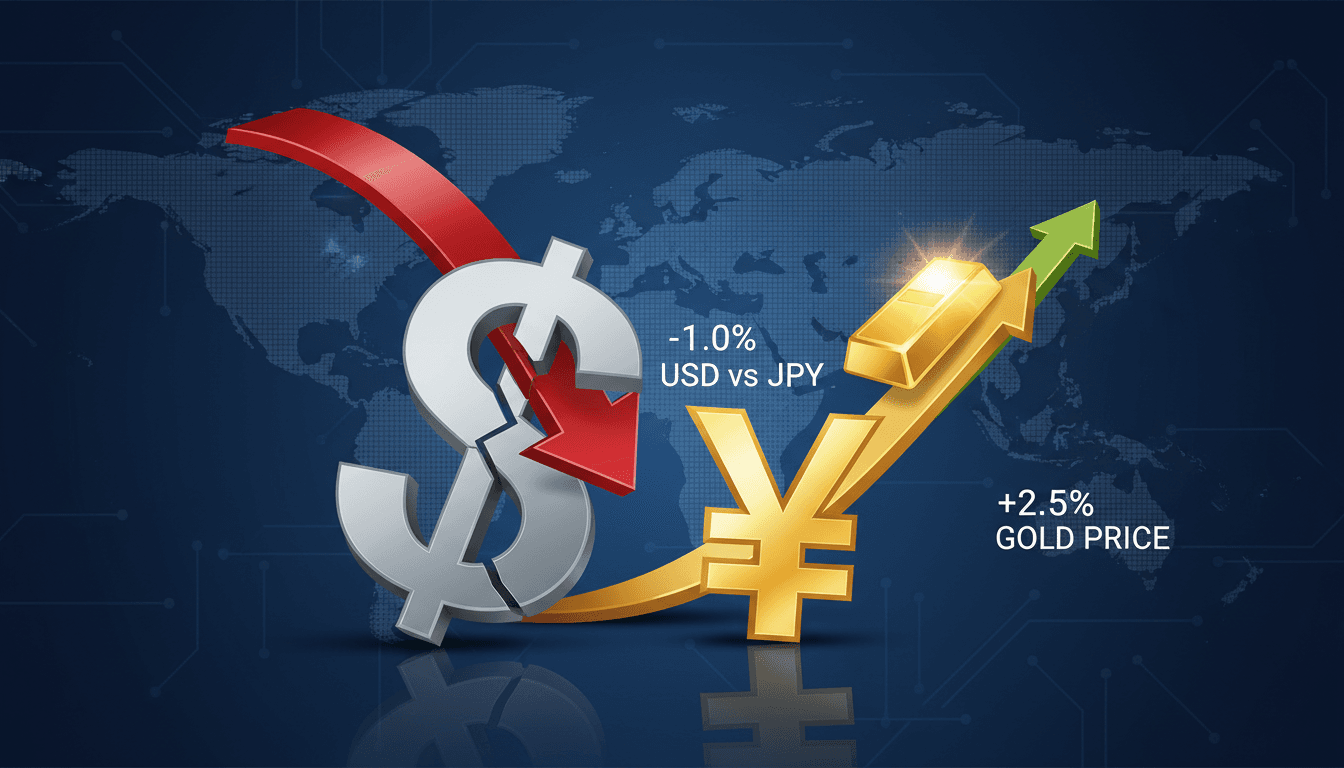
The U.S. dollar has experienced a notable decline, falling over 1% in July, primarily due to mixed economic data from the U.S. and speculation surrounding potential currency intervention by Japan. The dollar weakened significantly against the yen, dropping 2.3%, which has raised concerns among market observers. This decline has not been officially confirmed as a result of intervention, but the speculation alone has had a considerable impact on currency trading.
As the dollar falters, gold prices have seen an uptick, indicating a flight to safety among investors. The combination of unclear inflation signals and the potential for intervention has created a complex environment for currency traders.
The Context
The dollar's decline is rooted in ongoing uncertainties regarding the U.S. economy and inflation outlook. Economic indicators have been mixed, leading to confusion about the Federal Reserve's future policy direction. Concurrently, the speculation about Japan's potential intervention in currency markets adds another layer of complexity to the situation.
The Bank of Japan's actions, or lack thereof, will be closely monitored by market participants. Any official statements regarding currency policy could significantly influence the dollar's performance and investor sentiment. This scenario underscores the interconnectedness of global financial markets and the importance of timely information.
Takeaway
Looking ahead, market participants should keep an eye on potential announcements from the Bank of Japan regarding currency policy, as these could have immediate effects on the dollar's strength. Additionally, further releases of U.S. economic data will be critical in shaping the Federal Reserve's approach to inflation and interest rates.
The interplay between these factors will likely dictate market behavior in the near term, with investors remaining cautious amid heightened volatility. Understanding these dynamics will be essential for navigating the evolving landscape of currency markets.
Currency market headlines, FX rates, central-bank chatter, and macro drivers moving major pairs.
"Investing.com’s forex stream is useful for fast updates across USD, EUR, JPY, GBP and emerging-market FX."
— A47 Editor
Dollar falls over 1% for July as U.S. data, Fed paint a muddy picture on inflation
The U.S. dollar fell over 1% in July, influenced by mixed economic data and the Federal Reserve's recent decisions, which have created uncertainty regarding inflation. This decline reflects a cautious market sentiment as traders assess the implicatio...
Global markets, investing, and macroeconomics from a premier financial newsroom.
"Bloomberg is respected for in-depth financial reporting and data-driven analysis."
— A47 Editor
Gold Holds Gain as Japan Currency Intervention Weighs on Dollar
Gold prices have maintained a two-day gain, buoyed by a significant drop in the US dollar following Japan's intervention to support the yen. This move comes as the yen has faced considerable weakness, prompting concerns about rising import costs and ...
Markets desk coverage, trading insights, and investor updates.
"WSJ’s markets reporting provides in-depth analysis and context for investors."
— A47 Editor
Dollar Weakens Against Yen But Intervention Isn’t Confirmed
The U.S. dollar has weakened significantly, experiencing a 2.3% drop against the Japanese yen. This decline comes amid speculation regarding potential intervention by the Bank of Japan (BOJ), although no official confirmation has been made. Insight I...