
Saudi Arabia reports $9.14 billion budget deficit for Q2 2026
What happened
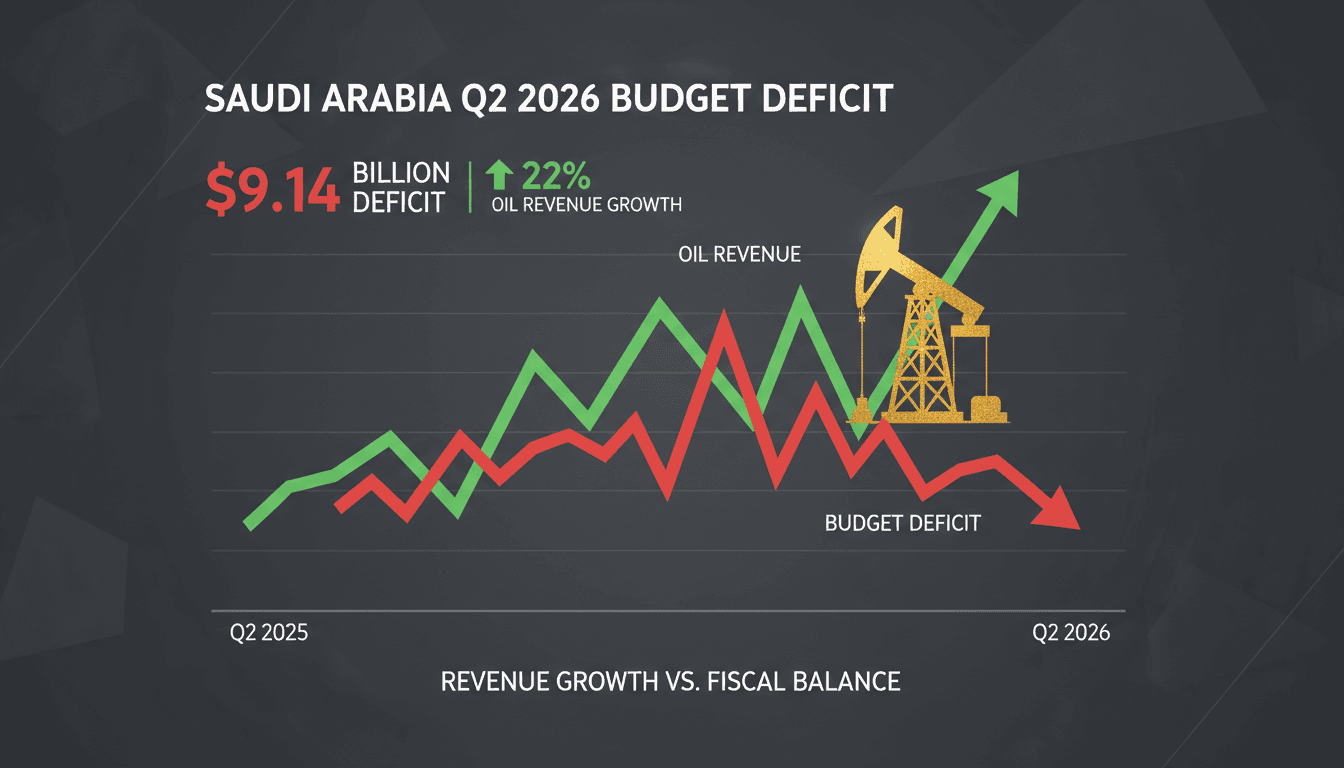
Saudi Arabia reported a budget deficit of approximately $9.14 billion for the second quarter of 2026, marking a 0.7% decrease compared to the previous year. This deficit was primarily driven by a significant rise in government revenues, which reached over $90 billion. Notably, oil revenue surged by 22% year-on-year, contributing substantially to the overall financial performance.
Government expenditures also increased, totaling about $99.5 billion, reflecting an 11% rise from the previous year. This combination of rising revenues and expenditures underscores the complexities of managing the national budget in a fluctuating economic environment.
The Context
The financial landscape in Saudi Arabia is shaped by its heavy reliance on oil revenues, which play a pivotal role in funding government operations. The increase in total revenue for Q2 2026, which was approximately $90.3 billion, signals a positive trend in the oil market and broader economic recovery. However, the rise in expenditures to $99.5 billion indicates that the government is also investing heavily in various sectors.
As the nation navigates these fiscal challenges, the public debt has risen to SR1.685 trillion ($449.3 billion) by the end of the first half of 2026. This context is crucial for understanding the government's strategic approach to balancing revenue generation with expenditure management.
Takeaway
Looking ahead, the Saudi government is likely to continue focusing on enhancing revenue streams while managing expenditures to reduce the budget deficit. Monitoring future oil price trends will be essential, as they directly impact revenue generation. Additionally, any adjustments in government spending in response to economic conditions will be critical to watch.
The ongoing fiscal strategy aims to achieve a more sustainable budgetary position, which will be vital for long-term economic stability. Stakeholders should remain vigilant about these developments as they unfold.
Arabic-language coverage of international news and geopolitics.
"RT Arabic is a Russian state-funded outlet often criticized for promoting Kremlin-aligned narratives."
— A47 Editor
عجز الميزانية السعودية يتراجع بأكثر من 70% في الربع الثاني من 2026
The Saudi budget deficit decreased by over 70% in the second quarter of 2026 compared to the first quarter, amounting to approximately $9.14 billion, supported by increased revenues and government spending rationalization.
Arabic-language coverage of Saudi, regional, and international affairs.
"Al Bilad offers mainstream Saudi newspaper coverage across domestic and broader Arab topics."
— A47 Editor
338.7 مليار ريال إيرادات الميزانية في الربع الثاني.. والعجز يتراجع 0.7%
Saudi Arabia's budget data for the second quarter of 2026 reveals total revenues of approximately 338.7 billion riyals (about 90.3 billion USD), against expenditures of 373 billion riyals (around 99.5 billion USD), resulting in a budget deficit of 34...
Regional and international reporting focused on Middle Eastern politics, diplomacy, and economics.
"Asharq Al-Awsat is a Saudi-owned international newspaper reflecting mainstream Gulf political perspectives."
— A47 Editor
Saudi Budget Records More than $90 Billion in Revenue in Second Quarter
Saudi Arabia's budget recorded over $90 billion in revenue for the second quarter of 2026, reflecting a 12% year-on-year increase despite a reported budget deficit of approximately $9.1 billion. This revenue growth is attributed to various sectors, i...
English-language reporting on Saudi politics, policy, and society.
"Saudi Gazette reflects mainstream Saudi institutional perspectives."
— A47 Editor
Saudi budget posts SR34.3bn deficit in Q2 as revenues rise 12%
Saudi Arabia reported a budget deficit of SR34.3 billion ($9.1 billion) in the second quarter of 2026, despite a 12% year-on-year increase in government revenues, reaching SR338.8 billion ($90.3 billion). Expenditures also rose by 11% to SR373.1 bill...
English-language reporting focused on Saudi Arabia and regional affairs.
"Saudi Gazette provides English-language coverage that often aligns with mainstream Saudi news priorities."
— A47 Editor
Saudi budget posts SR34.3bn deficit in Q2 as revenues rise 12%
Saudi Arabia reported a budget deficit of SR34.3 billion ($9.1 billion) in the second quarter of 2026, despite a 12% year-on-year increase in government revenues, reaching SR338.8 billion ($90.3 billion). Expenditures also rose by 11% to SR373.1 bill...
Macro commentary, policy analysis, growth/inflation themes, and global outlooks.
"Contextual macro coverage that complements day-to-day market headlines."
— A47 Editor
Saudi Arabia reports $9.14 billion budget deficit in Q2 2026
Saudi Arabia has reported a budget deficit of $9.14 billion for the second quarter of 2026, marking a significant financial shortfall amid ongoing economic challenges. This deficit follows a trend of widening fiscal gaps, with the country facing its ...