
Oil prices rise sharply amid escalating U.S.-Iran tensions
What happened
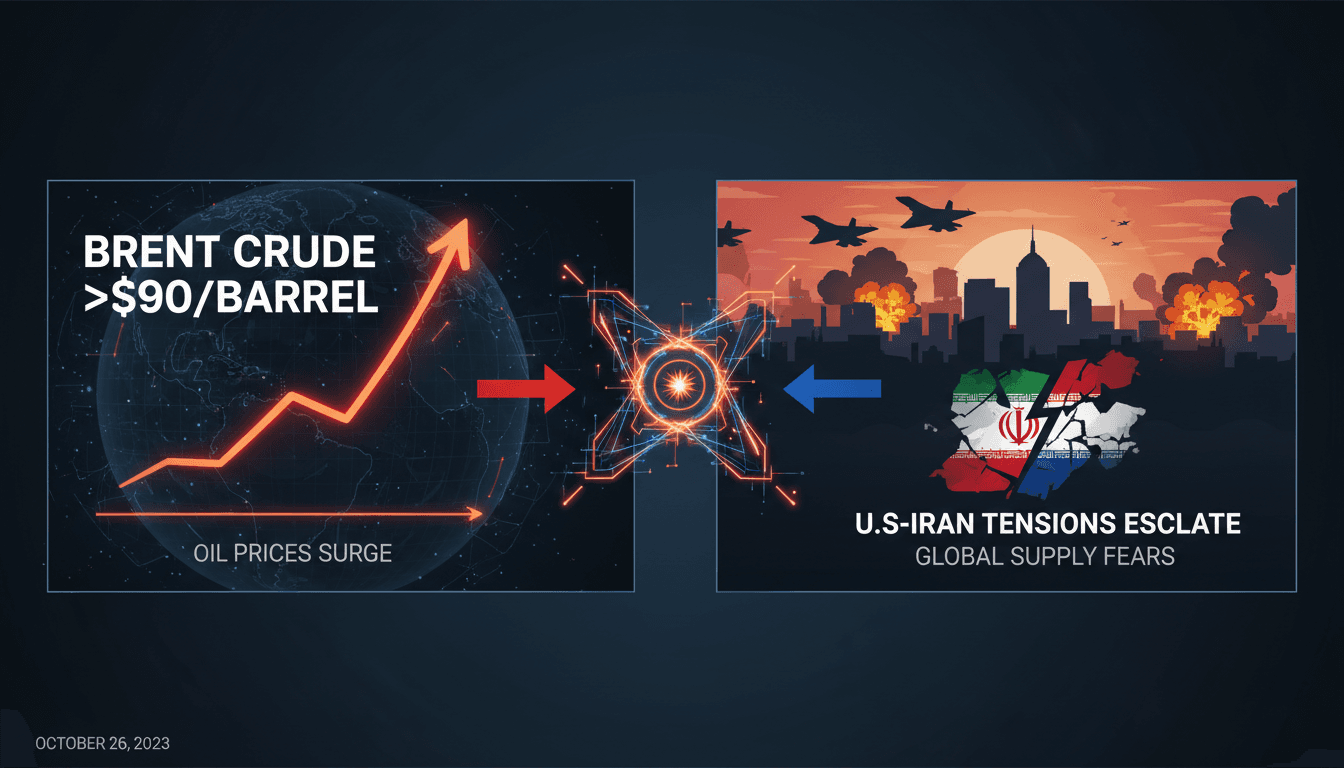
On July 29, 2026, oil prices surged sharply due to escalating tensions between the U.S. and Iran, compounded by a series of military airstrikes in the Middle East. Brent crude oil rose by approximately 7%, surpassing $90 per barrel, reflecting market reactions to the renewed hostilities. This increase has raised concerns over potential supply disruptions in a region critical to global energy markets.
Analysts are closely observing the situation, predicting that ongoing geopolitical tensions will lead to continued volatility in oil prices. The immediate trigger for this price spike was the military actions that have reignited fears of instability in oil supply chains.
The Context
The backdrop of this price increase is a long-standing conflict between the U.S. and Iran, which has seen various escalations over the years. The recent military actions have reignited fears of supply disruptions, which are particularly concerning given the region's significance in global oil production. Market analysts are now forecasting that oil prices could fluctuate between $80 and $100 per barrel in the short term.
Stakeholders in the energy sector, including producers and consumers, are bracing for potential impacts on supply and pricing. The situation is further complicated by the interconnectedness of global energy markets, where any disruption can have far-reaching consequences.
Takeaway
As geopolitical tensions continue to rise, the oil market is expected to remain volatile, with significant implications for global energy prices and supply chains. Stakeholders should monitor further developments in U.S.-Iran relations closely, as these could lead to additional fluctuations in oil prices. The ongoing conflict in the Middle East is likely to keep oil prices volatile in the near future, affecting both consumers and businesses.
In the coming weeks, attention will be focused on how these tensions evolve and their potential impact on global oil supply. Analysts will be watching for any signs of de-escalation or further military actions that could influence market stability.
Capitol Hill news, legislation, and policy insight.
"The Hill specializes in U.S. politics and policy, with a focus on Capitol Hill developments and a reputation for insider reporting."
— A47 Editor
Escalating US-Iran tensions push oil prices higher
Oil prices have surged as tensions between the U.S. and Iran escalate, with Brent Crude trading at approximately $91 per barrel. This increase follows a series of military actions and threats that have heightened concerns over potential disruptions i...
Oil, metals, and agriculture: supply/demand headlines, OPEC chatter, inventories, and price action.
"Solid tape for energy and metals traders tracking macro and micro catalysts."
— A47 Editor
Oil jumps 7% on escalating Middle East airstrikes
Oil prices surged by 7% amid escalating airstrikes in the Middle East, reflecting heightened geopolitical tensions that have significantly impacted market stability. This increase follows a series of military actions, particularly involving the Unite...
Regional coverage and analysis focused on politics, diplomacy, and business across the Middle East.
"Al-Monitor is known for analytical reporting on Middle East politics and policy developments."
— A47 Editor
Oil jumps 8% as US-Iran war pressures Saudi Arabia, explosions hit Egypt
Oil prices surged by 8% as Brent crude surpassed $90 per barrel, driven by renewed hostilities between the US and Iran, which included missile strikes and airstrikes targeting Iran-backed groups in Iraq. This escalation follows a brief period of redu...
Sports reporting with a focus on Saudi and regional competitions.
"Okaz sports coverage is broad and audience-friendly, with strong attention to Saudi teams and leagues."
— A47 Editor
7 % صعود لأسعار النفط.. برنت إلى 90 دولاراً
Oil prices surged by approximately 7% today, driven by renewed airstrikes in the Middle East, which dampened hopes for a resolution to the U.S.-Israeli conflict with Iran. Brent crude futures rose by $5.84, or 6.9%, reaching $89.93 per barrel, while ...
Pan-Arab news coverage spanning politics, business, sports, and regional affairs.
"Asharq Al-Awsat reflects a broad Arab editorial perspective with strong attention to regional geopolitics."
— A47 Editor
برنت يلامس 90 دولاراً للبرميل وسط تصاعد التوتر في الشرق الأوسط
Oil prices surged by approximately 7% on Wednesday as hopes for a swift end to the U.S.-Israeli conflict with Iran diminished, following the resumption of airstrikes in the Middle East. The price of Brent crude approached $90 per barrel amid escalati...
Regional and international reporting focused on Middle Eastern politics, diplomacy, and economics.
"Asharq Al-Awsat is a Saudi-owned international newspaper reflecting mainstream Gulf political perspectives."
— A47 Editor
Oil Rises as US-Iran Tension Escalates After Iraq Strikes, Missile Attack
Oil prices have risen significantly as tensions between the United States and Iran escalate following missile attacks and airstrikes in Iraq. The conflict has intensified with the U.S. conducting airstrikes against Iranian targets in response to atta...