
Federal Reserve faces dissent over interest rate decision amid inflation concerns
Here's what it means for you.
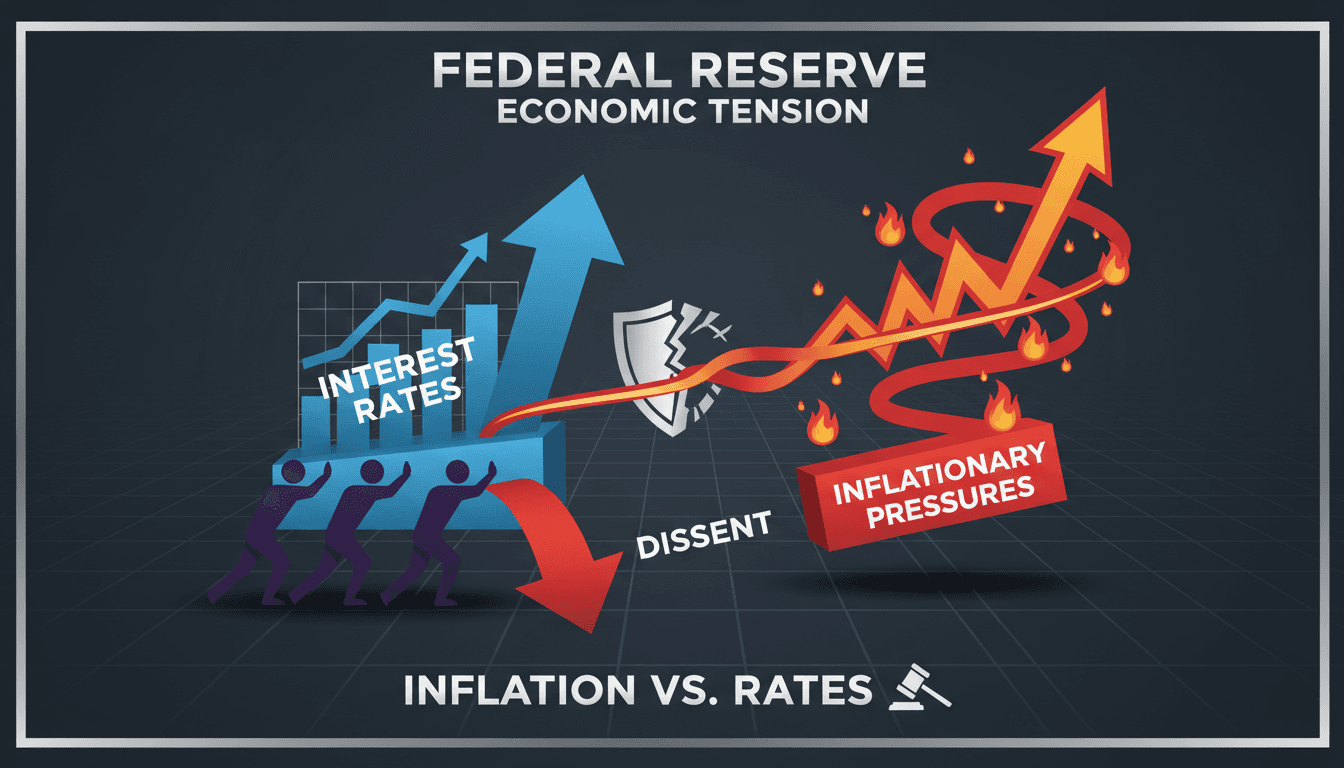
The Federal Reserve's decision to maintain current interest rates has sparked significant dissent among its members, highlighting the ongoing struggle to manage inflation. As inflationary pressures persist, the call for a rate hike reflects concerns that low rates could entrench these economic challenges. This internal division may lead to increased scrutiny of the Fed's monetary policy and its effectiveness in fostering economic stability. The implications of this dissent extend beyond the Fed, potentially influencing market confidence and economic recovery efforts. Stakeholders will be closely monitoring future decisions as they navigate the delicate balance between growth and inflation control.
What happened
Three members of the Federal Reserve publicly opposed the decision to keep interest rates unchanged, advocating for an increase to combat persistent inflation. Their dissent underscores a significant division within the rate-setting committee regarding the best approach to manage the economy. The majority of the committee opted to hold rates steady, but the dissenting voices raise important questions about the effectiveness of current monetary policy.
This internal conflict comes at a time when inflation remains a key concern for policymakers. The dissenting members argue that maintaining low rates could lead to entrenched inflation, complicating the Fed's efforts to support economic recovery.
The Context
The Federal Reserve is currently navigating a complex economic landscape, balancing the need for growth against the risks posed by inflation. The dissenting members' concerns reflect broader anxieties within the Fed about the sustainability of its monetary policy. As the economy continues to recover, the effectiveness of interest rates in managing inflation is under scrutiny.
The timing of this dissent is critical, as it coincides with ongoing discussions about the future direction of monetary policy. The Fed's decisions will be closely watched by market participants and policymakers alike, as they seek to understand the implications for economic stability.
Takeaway
As inflation concerns grow, the Federal Reserve may face increasing pressure to adjust interest rates in the coming months. Future meetings will be pivotal in determining the Fed's stance on interest rates and its approach to managing inflation. Economic indicators will also play a crucial role in shaping these discussions, influencing the Fed's decisions moving forward.
Stakeholders should remain vigilant as the Fed navigates these challenges, as any shifts in policy could have significant implications for the broader economy.
Macro commentary, policy analysis, growth/inflation themes, and global outlooks.
"Contextual macro coverage that complements day-to-day market headlines."
— A47 Editor
Fed dissenters sketch the case for a rate hike
The Federal Reserve recently maintained interest rates during a meeting, resulting in a 9-3 vote, with three dissenting policymakers advocating for a rate hike due to ongoing inflation concerns. This decision highlights the internal divisions within ...
Pan-Arab news coverage spanning politics, business, sports, and regional affairs.
"Asharq Al-Awsat reflects a broad Arab editorial perspective with strong attention to regional geopolitics."
— A47 Editor
معارضو قرار «الفيدرالي» يدعون إلى رفع الفائدة لمنع ترسخ التضخم
Three policymakers from the Federal Reserve who opposed the decision to keep interest rates unchanged have stated that raising interest rates has become necessary to prevent entrenched inflation. This dissent highlights a growing concern among some o...
Editor-curated FT homepage stories spanning markets, business, world, and opinion.
"The Financial Times is a globally respected business publication with a centrist/center-left tone and strong markets focus."
— A47 Editor
Fed dissenters warn of challenges in taming inflation
The Federal Reserve recently decided to maintain interest rates during a meeting, resulting in a 9-3 vote, with three dissenting policymakers advocating for a rate hike due to ongoing inflation concerns. This dissent highlights significant divisions ...