
Federal Reserve Chairman considers reducing policy meeting frequency
Here's what it means for you.
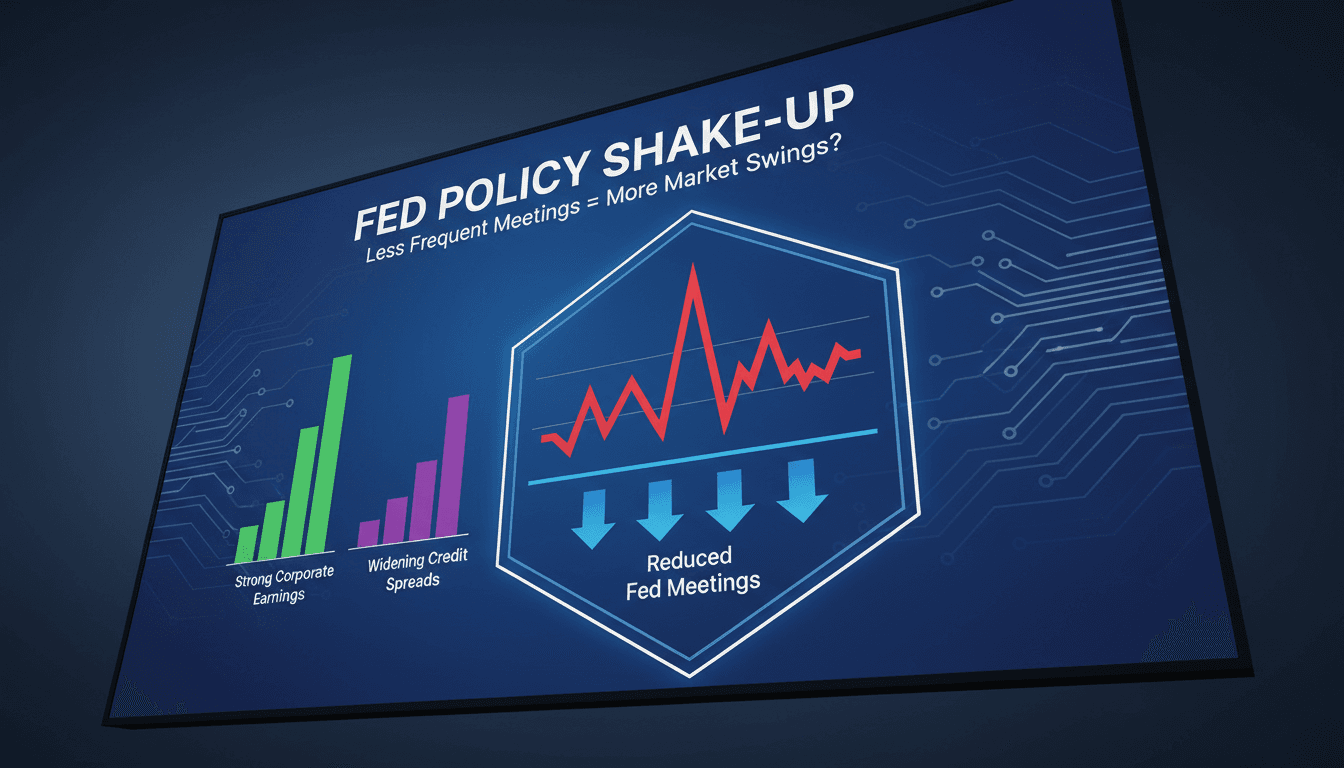
The potential reduction in the frequency of Federal Reserve meetings could significantly impact market stability and economic policy. With the current schedule of eight meetings per year, fewer gatherings may lead to increased volatility in financial markets. Investors and economists alike are closely monitoring this development, as it could reshape expectations around monetary policy. As the Federal Reserve navigates strong corporate earnings and widening credit spreads, the implications of such a change are profound. Stakeholders must prepare for a period of uncertainty as the Fed evaluates its approach to policy decisions.
What happened
Federal Reserve Chairman Kevin Warsh is contemplating a reduction in the number of policy meetings held annually. Currently, the Federal Reserve convenes eight times a year, but this frequency may be altered if Warsh's proposal is implemented. The discussions surrounding this potential change have raised concerns among economists and market strategists.
The consideration comes amid a backdrop of strong corporate earnings and widening credit spreads, which are influencing the current economic landscape. If the number of meetings is reduced, it could disrupt the timing and effectiveness of policy moves.
The Context
The Federal Reserve's meeting schedule is a critical component of its monetary policy framework. Currently, the Fed holds eight meetings each year, allowing for regular assessments of economic conditions and timely adjustments to policy. However, the prospect of fewer meetings has sparked debate about its impact on market stability.
Stakeholders, including investors and economists, are particularly concerned about how reduced frequency might lead to greater uncertainty in economic policy. The discussions also touch on broader economic factors, including the implications of artificial intelligence on the economy.
Takeaway
The potential reduction in Federal Reserve meetings could reshape the landscape of monetary policy in the coming months. Observers should closely monitor any official announcements from the Fed regarding changes to the meeting frequency. Additionally, market reactions to these developments will be crucial in understanding the broader economic implications.
As the situation unfolds, it will be essential to watch for shifts in economic indicators and how they may influence the Fed's decision-making process. The evolving dialogue around meeting frequency underscores the importance of adaptability in monetary policy.
Global markets, investing, and macroeconomics from a premier financial newsroom.
"Bloomberg is respected for in-depth financial reporting and data-driven analysis."
— A47 Editor
Fewer Fed Meetings Could Fuel Market Volatility
Federal Reserve Chairman Kevin Warsh is contemplating a reduction in the frequency of policy meetings, which could lead to increased market volatility and uncertainty. This proposal has raised concerns among economists and market strategists who argu...
Corporate leadership, finance, technology, and market trends.
"Fortune covers financial trends, leadership, and innovation with a pragmatic editorial approach."
— A47 Editor
Warsh considering reducing number of Fed meetings, NYT reports
Kevin Warsh, the newly appointed chair of the U.S. Federal Reserve, is reportedly considering reducing the frequency of Federal Reserve meetings, which currently occur eight times a year. This potential change reflects his evolving approach to moneta...
Macro commentary, policy analysis, growth/inflation themes, and global outlooks.
"Contextual macro coverage that complements day-to-day market headlines."
— A47 Editor
Warsh considers cutting frequency of rate-setting meetings, NYT reports
Kevin Warsh, the newly appointed chair of the U.S. Federal Reserve, is reportedly considering reducing the frequency of rate-setting meetings, which currently occur eight times a year, according to a report by The New York Times. This potential chang...