
Iran war drives global price increases for consumer goods
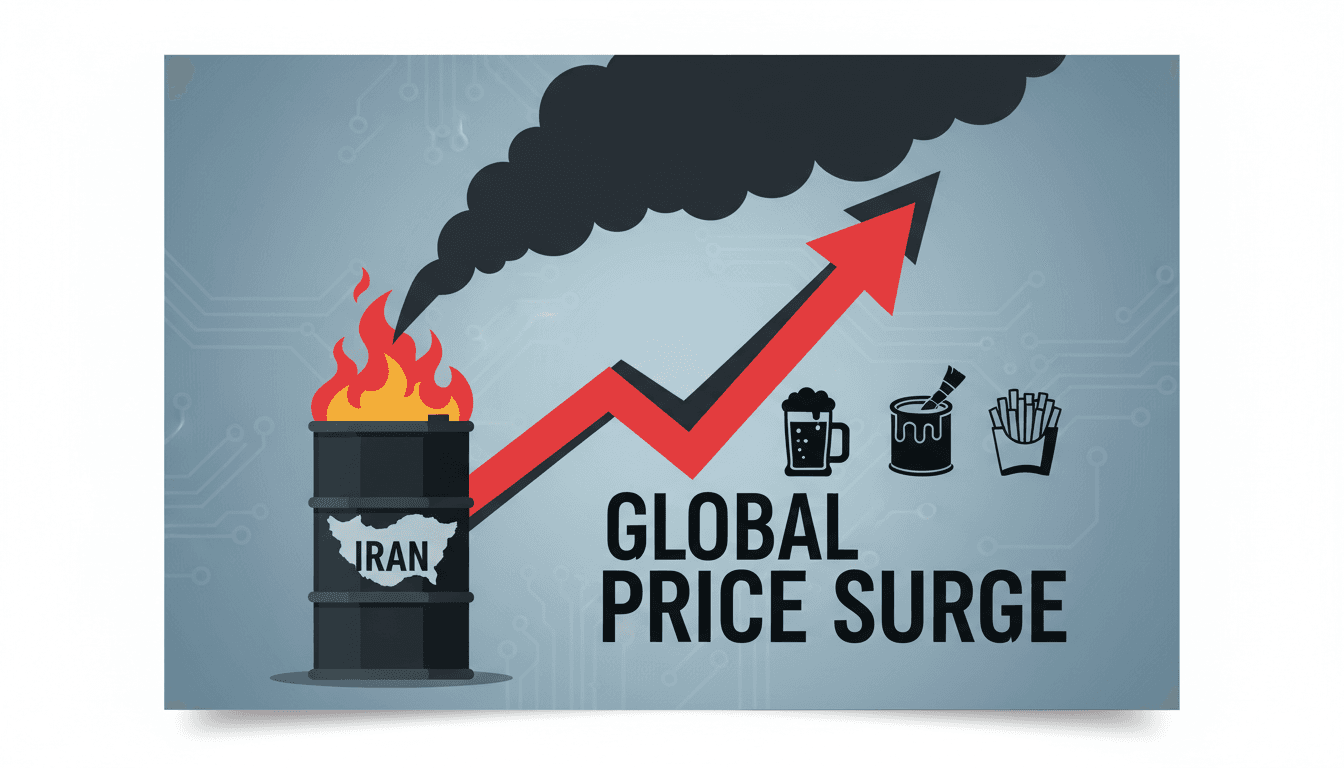
Here's what it means for you.
The ongoing conflict in Iran is causing notable price increases for essential consumer goods, impacting both global and U.S. markets. Companies are adjusting their pricing strategies in response to rising commodity and freight costs, which may lead to higher expenses for consumers. As geopolitical tensions persist, the economic landscape could face further disruptions, affecting everyday products. This situation highlights the interconnectedness of global supply chains and the vulnerability of markets to geopolitical events. Consumers should prepare for potential price hikes as companies navigate these challenges.
What happened
The Iran war has triggered significant price hikes for various consumer products worldwide, including beer, paint, and fries. Companies such as Sherwin-Williams and the brewer of Samuel Adams are particularly affected by these increases. The surge in prices is primarily driven by escalating commodity and freight costs, which have been exacerbated by the ongoing conflict.
Reports indicate that prices for affected goods have risen by an estimated 2-4% due to these rising costs. This trend reflects broader economic impacts stemming from geopolitical tensions, as companies adjust to the changing market conditions.
The Context
The current situation in Iran is influencing global supply chains, leading to increased costs for essential consumer goods. Stakeholders, including major corporations and consumers, are feeling the effects of these price hikes. The timing of these increases coincides with heightened geopolitical tensions, which have historically impacted market stability.
As companies respond to the pressures of rising costs, the potential for further price increases looms large. This scenario underscores the importance of monitoring commodity price trends and corporate earnings reports to assess the financial impact on affected industries.
Takeaway
As the conflict in Iran continues, consumers may face additional price increases on everyday products. It is crucial to keep an eye on commodity price trends, as they could signal future impacts on consumer goods. Corporate earnings reports will also provide insights into how companies are managing these challenges and adjusting their pricing strategies.
The ongoing economic repercussions of the Iran war highlight the fragility of global markets in the face of geopolitical conflicts. Stakeholders should remain vigilant as the situation evolves, anticipating further developments that could affect consumer spending and overall economic stability.
Macro commentary, policy analysis, growth/inflation themes, and global outlooks.
"Contextual macro coverage that complements day-to-day market headlines."
— A47 Editor
Iran war pushes companies to raise prices on beer, paint and fries
The ongoing conflict in Iran has prompted companies to increase prices on essential products such as beer, paint, and fries, reflecting the economic pressures stemming from the war. This escalation in costs is a direct response to the volatile market...
Markets desk coverage, trading insights, and investor updates.
"WSJ’s markets reporting provides in-depth analysis and context for investors."
— A47 Editor
Iran War Pushes Companies to Raise Prices on Beer, Paint, Fries and More
The ongoing conflict in Iran has led to increased costs for various companies, including Sherwin-Williams and the brewer of Samuel Adams, prompting them to raise prices on products such as beer, paint, and fries. This situation reflects the broader i...
U.S. business news, corporate developments, and economy.
"The Wall Street Journal is respected for deep financial and economic reporting with a center-right editorial perspective."
— A47 Editor
Iran War Pushes Companies to Raise Prices on Beer, Paint, Fries and More
The ongoing conflict in Iran has resulted in increased costs for various companies, including Sherwin-Williams and the brewer of Samuel Adams, leading them to raise prices on products such as beer, paint, and fries. This situation highlights the dire...