
Hungary shuts down Paks Nuclear Power Plant for first time in 44 years due to low Danube water levels
What happened
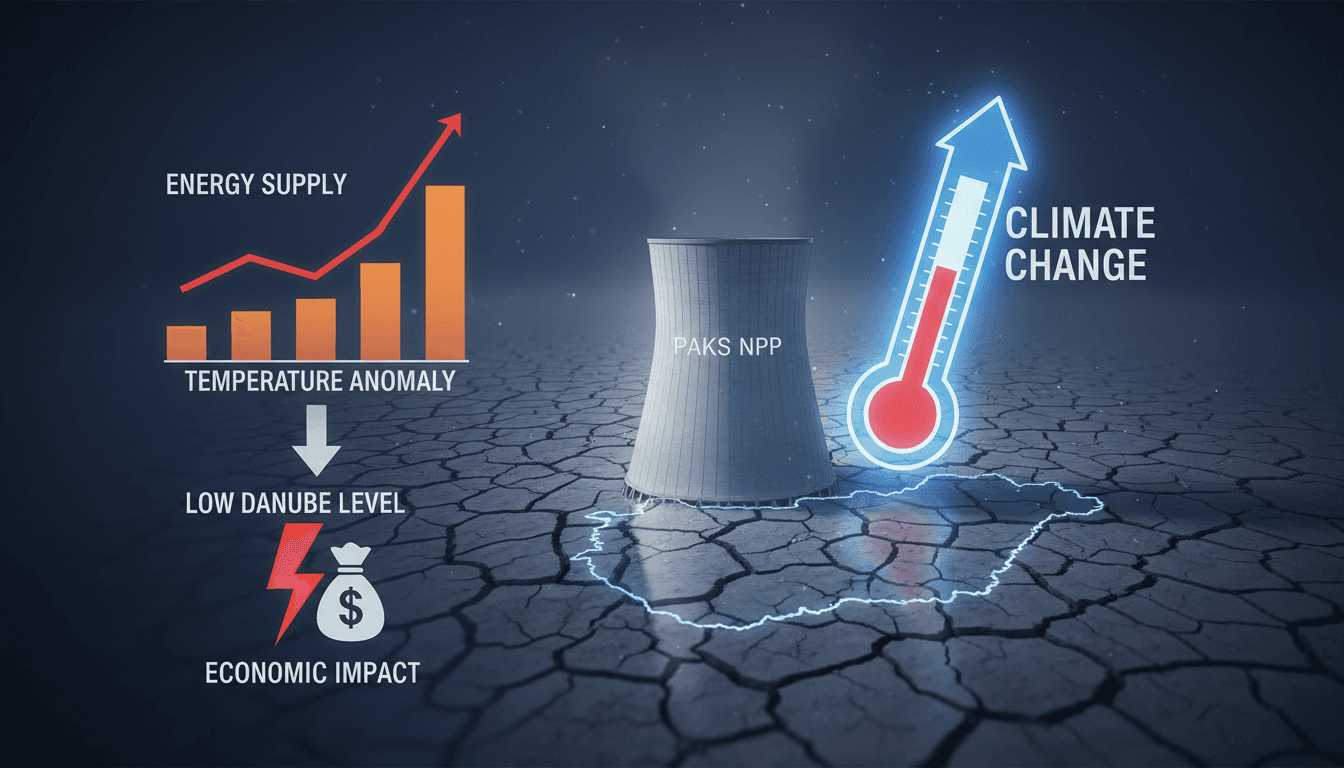
Hungary's Paks Nuclear Power Plant has been shut down for the first time in 44 years due to critically low water levels in the Danube River, which are essential for cooling the reactors. This unprecedented action was prompted by a severe heatwave and ongoing drought conditions affecting Europe. The last operational units of the plant were taken offline on August 3, 2026, following the announcement of the shutdown on August 2, 2026.
The Paks Nuclear Power Plant is a significant energy source, providing approximately 40% of Hungary's electricity. The shutdown raises immediate concerns about energy supply and costs, as the country may need to rely more heavily on electricity imports during this crisis.
The Context
The decision to close the Paks Nuclear Power Plant underscores the broader challenges posed by climate change, particularly in relation to extreme weather events like droughts and heatwaves. The Hungarian government has already implemented measures to conserve electricity amid the ongoing crisis, reflecting the urgency of the situation.
This shutdown not only affects Hungary's energy landscape but also raises questions about the resilience of energy infrastructure in the face of environmental changes. The economic impact is significant, with estimates suggesting that the shutdown could cost the Hungarian economy between 300 and 600 million euros.
Takeaway
As drought conditions persist in Europe, the energy crisis in Hungary may continue to evolve, impacting electricity supply and costs. Stakeholders should monitor ongoing developments related to energy production and government measures aimed at addressing shortages.
The situation serves as a critical reminder of the need for countries to adapt their energy strategies and enhance infrastructure resilience in response to climate change. Future energy policies may need to prioritize sustainability and adaptability to mitigate similar crises.
European current affairs, EU politics, and regional developments.
"France 24 is viewed as a globally focused outlet with balanced coverage and a European perspective."
— A47 Editor
Amid a drought and soaring temperatures, Hungary shuts down its nuclear plant
Hungary has announced the shutdown of its only nuclear power plant due to unprecedented low water levels in the Danube River, a situation worsened by a severe heatwave affecting Europe. This decision comes as the plant's cooling systems are compromis...
Arabic-language coverage of political affairs and current events.
"Okaz political coverage typically follows mainstream Saudi framing on national and regional affairs."
— A47 Editor
المجر توقف محطتها النووية بسبب انخفاض مياه الدانوب
Hungary has halted operations at the Paks Nuclear Power Plant, the only nuclear facility in the country, due to record low water levels in the Danube River, which affected the plant's ability to cool its reactors. Prime Minister Peter Magyar announce...
Oil, metals, and agriculture: supply/demand headlines, OPEC chatter, inventories, and price action.
"Solid tape for energy and metals traders tracking macro and micro catalysts."
— A47 Editor
Greece battles wildfires, Hungary shuts nuclear power plant due to drought
Greece is currently battling severe wildfires that have escalated this year, with conditions exacerbated by extreme weather, leading to tragic losses among firefighters. Meanwhile, Hungary has decided to shut down a nuclear power plant due to ongoing...
Arabic-language coverage of Saudi, regional, and international affairs.
"Al Bilad offers mainstream Saudi newspaper coverage across domestic and broader Arab topics."
— A47 Editor
الحر يجبر المجر على غلق محطتها النووية
Hungary's Prime Minister, Peter Madiar, announced the closure of the country's only nuclear power plant due to a record drop in the Danube River's water level, halting operations for the first time in 44 years. This decision highlights the ongoing en...
Regional and international reporting focused on Middle Eastern politics, diplomacy, and economics.
"Asharq Al-Awsat is a Saudi-owned international newspaper reflecting mainstream Gulf political perspectives."
— A47 Editor
Hungary PM Announces Closure of Nuclear Plant Due to Heatwave
Hungary's Prime Minister announced the closure of the MVM Paks Nuclear Power Plant due to a severe heatwave that has caused critically low water levels in the Danube River, disrupting the plant's cooling systems. This decision reflects the ongoing ch...
Pan-Arab news coverage spanning politics, business, sports, and regional affairs.
"Asharq Al-Awsat reflects a broad Arab editorial perspective with strong attention to regional geopolitics."
— A47 Editor
للمرّة الأولى منذ 44 عاماً... المجر تغلق محطتها النووية بسبب موجة الحر
Hungary's Prime Minister, Peter Magyar, announced the closure of the country's only nuclear power plant due to a record drop in the Danube River's water level, which has halted its operations for the first time in 44 years.