
OPEC+ Agrees to Increase Oil Production by 188,000 Barrels Per Day Starting September 2026
Here's what it means for you.
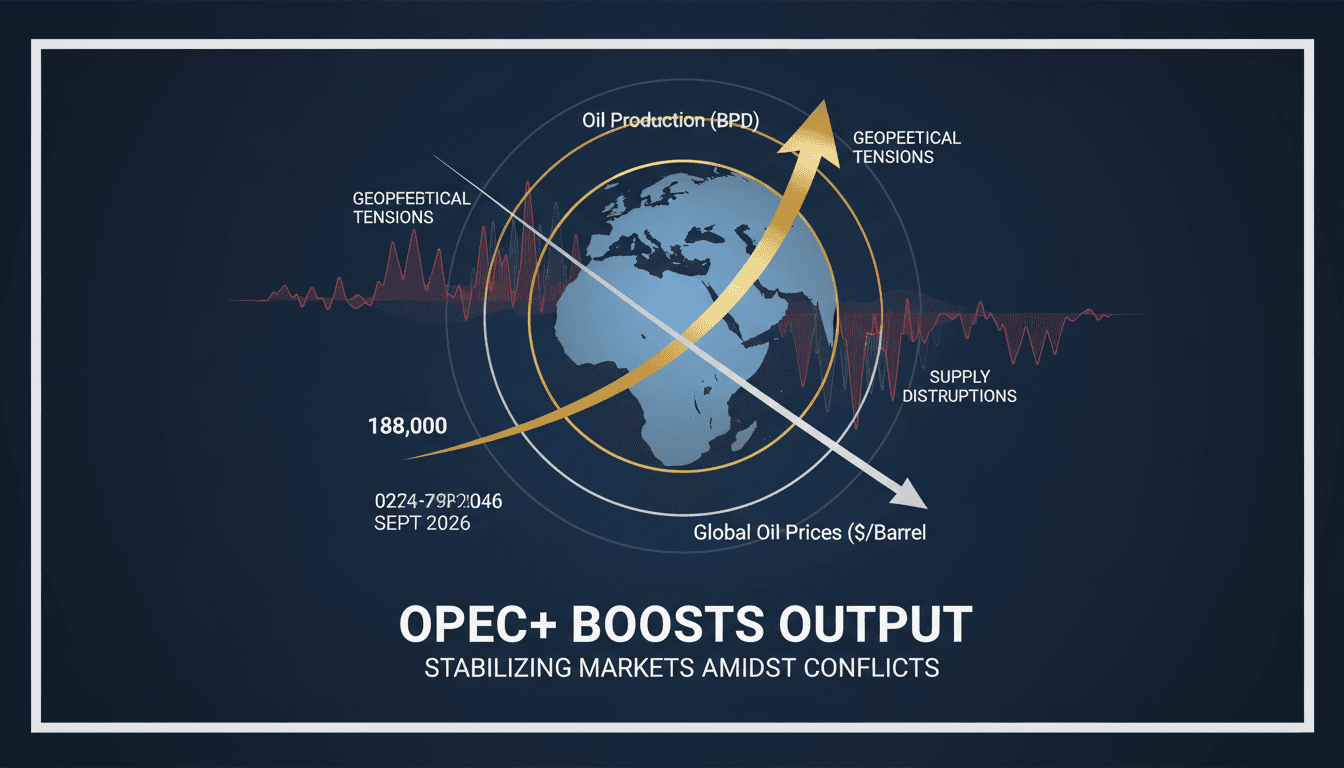
The recent decision by OPEC+ to increase oil production by 188,000 barrels per day is a significant move that could influence global oil prices and supply dynamics. This increase, set to take effect in September 2026, comes amid ongoing geopolitical tensions in the Middle East, particularly related to the Iran war. As such, market participants should prepare for potential fluctuations in oil prices as supply adjusts to these new levels. The production hike reflects OPEC+'s strategic response to current market conditions, aiming to stabilize supply amidst regional conflicts. Stakeholders in the energy sector will need to monitor how this decision impacts both short-term and long-term oil market trends.
What happened
OPEC+ members have reached an agreement to raise oil production by 188,000 barrels per day, effective September 2026. This decision was made during an online meeting that included key players such as Saudi Arabia and Russia. Analysts had anticipated this production increase, indicating a consensus on the need to address current market conditions.
The agreement is a direct response to ongoing geopolitical tensions that have disrupted oil supply, particularly due to the Iran war. As the situation evolves, the implications of this production increase will be closely observed by market analysts and stakeholders.
The Context
The decision to increase oil production comes against a backdrop of significant disruptions in the Middle East, which have affected global oil supply. OPEC+, a coalition of oil-producing nations, is responding to these challenges by adjusting production levels to stabilize the market. The agreement was reached by seven participating countries within OPEC+, highlighting the collaborative effort to address these pressing issues.
This production increase is particularly relevant as it reflects the organization's strategy to navigate the complexities of geopolitical tensions while ensuring a steady supply of oil. The timing of this decision is crucial, as it aligns with ongoing conflicts that could further impact oil markets.
Takeaway
As OPEC+ implements this production increase, the oil market will be under scrutiny for its reactions to both the supply changes and the geopolitical landscape in the Middle East. Analysts will be monitoring how this increase affects global oil prices and whether it leads to greater stability in the market.
Future developments in the region could also influence OPEC+'s decisions, making it essential for stakeholders to stay informed about the evolving situation. The implications of this production hike may resonate throughout the energy sector, affecting everything from pricing to policy decisions.
Regional and international reporting focused on Middle Eastern politics, diplomacy, and economics.
"Asharq Al-Awsat is a Saudi-owned international newspaper reflecting mainstream Gulf political perspectives."
— A47 Editor
OPEC+ Agrees September Oil Hike
OPEC+ has agreed to increase oil production quotas by 188,000 barrels per day starting in September 2026, following a virtual meeting that included key member countries such as Saudi Arabia and Russia. This decision reflects ongoing adjustments to gl...
Oil, metals, and agriculture: supply/demand headlines, OPEC chatter, inventories, and price action.
"Solid tape for energy and metals traders tracking macro and micro catalysts."
— A47 Editor
OPEC+ members agree to September quota hike
OPEC+ members have reached an agreement to increase oil production quotas in September, continuing a series of planned hikes aimed at restoring previously halted production levels. This decision reflects the group's ongoing strategy to adjust output ...
UAE-based English-language newspaper covering regional politics, economics, and global affairs.
"The National reflects Emirati policy perspectives while maintaining international editorial standards."
— A47 Editor
Opec+ agrees output rise in September amid uneasy pause in Iran war
Opec+ has agreed to increase oil output in September, coinciding with a period of heightened tensions due to the ongoing conflict involving Iran. This decision reflects the organization's response to fluctuating oil prices and supply disruptions caus...
Regional coverage and analysis focused on politics, diplomacy, and business across the Middle East.
"Al-Monitor is known for analytical reporting on Middle East politics and policy developments."
— A47 Editor
OPEC+ boosts September production by 188,000 barrels/day
OPEC+ members, including Saudi Arabia and Russia, have agreed to increase oil production by 188,000 barrels per day starting in September 2026, following an online meeting. This decision comes amid ongoing disruptions in the Middle East, particularly...