
Oil prices decline sharply amid U.S.-Iran diplomatic efforts to reopen Strait of Hormuz
What happened
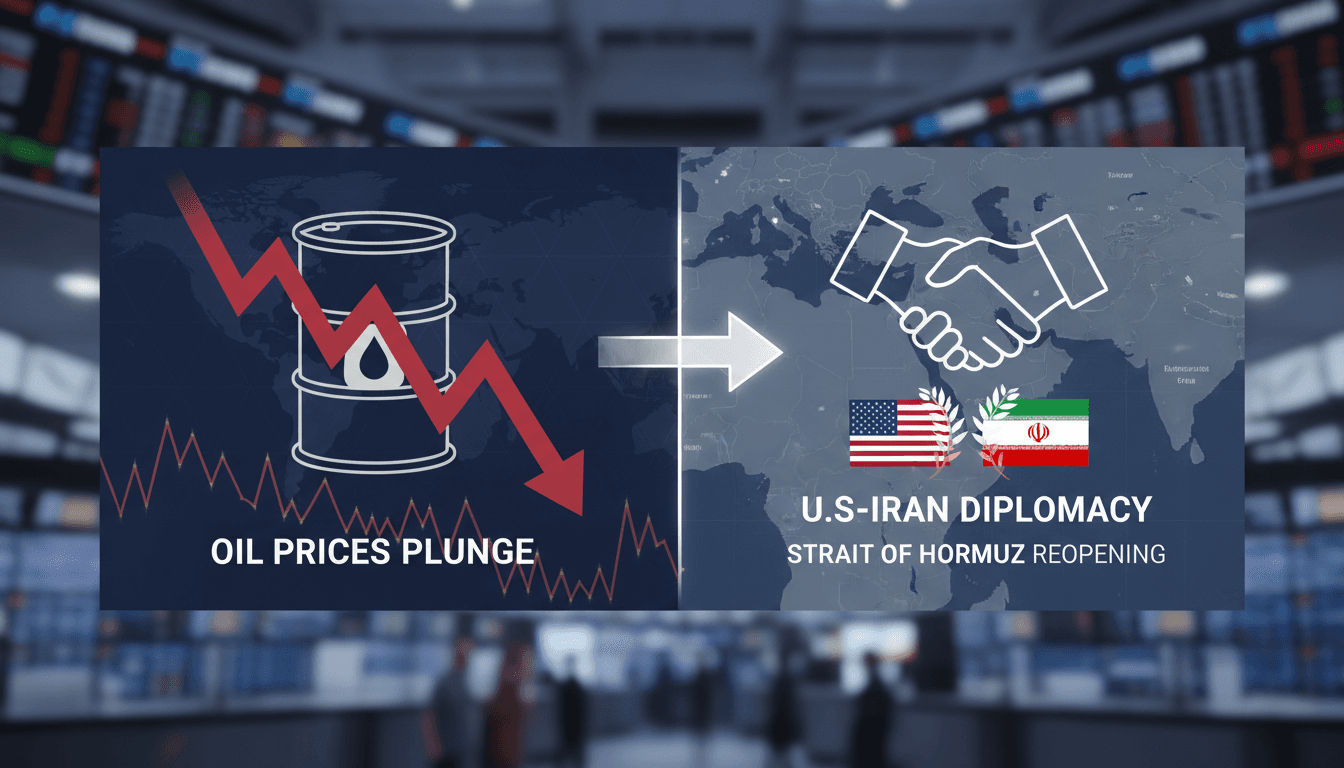
Oil prices have experienced significant declines as traders reacted to potential U.S.-Iran negotiations regarding the Strait of Hormuz. The Brent crude price dropped by 5.09%, reflecting the market's volatility amid these developments. This decline was influenced by growing optimism surrounding a potential deal that could ease tensions affecting energy supplies in the Gulf region.
As of the latest trading session, Brent crude was priced at $83.51 a barrel. The sharp drop in prices highlights the immediate impact of geopolitical negotiations on the oil market.
The Context
The Strait of Hormuz is a vital passage for approximately two-thirds of internationally traded oil, making it a critical chokepoint for global energy supplies. Diplomatic relations between the U.S. and Iran have historically had a direct impact on oil market stability, and the current negotiations aim to alleviate threats to energy supplies in the Gulf.
The timing of these discussions is crucial, as they come at a moment when market volatility is heightened. Traders are closely monitoring these developments, understanding that successful negotiations could lead to a more stable oil market.
Takeaway
Looking ahead, continued diplomatic efforts between the U.S. and Iran will be essential to watch. If negotiations succeed, the reopening of the Strait of Hormuz could stabilize oil prices and enhance supply security in the region. Market participants should remain vigilant for further developments in these negotiations and any changes in oil supply dynamics in the Gulf.
The potential for a more stable oil market could also lead to lower prices for consumers, making this a significant story to follow in the coming weeks.
Global markets, investing, and macroeconomics from a premier financial newsroom.
"Bloomberg is respected for in-depth financial reporting and data-driven analysis."
— A47 Editor
Latest Oil Market News and Analysis for Aug. 5
Oil prices have continued to decline as optimism grows over a potential agreement to reopen the Strait of Hormuz, which would alleviate supply constraints in the Persian Gulf. This development follows recent comments from U.S. officials indicating pr...
English-language digital publication covering business, politics, technology, and current affairs.
"The Arabian Post mixes original and syndicated-style coverage with a broad regional and global business-news orientation."
— A47 Editor
Oil tumbles as Iran diplomacy revives Hormuz hopes
Oil prices experienced a significant decline on Monday, dropping over 7% during early trading, as renewed diplomatic efforts between Washington and Tehran aimed at reopening the Strait of Hormuz emerged. Brent crude, a key benchmark for global oil pr...
UAE-based English-language newspaper covering regional politics, economics, and global affairs.
"The National reflects Emirati policy perspectives while maintaining international editorial standards."
— A47 Editor
Oil prices fall on potential US-Iran deal to open Strait of Hormuz
Oil prices have fallen significantly due to the potential for a US-Iran deal aimed at reopening the strategically vital Strait of Hormuz, a key maritime route for global oil shipments. This development follows President Donald Trump's announcement to...