
Asian and U.S. stocks show mixed performance amid tech volatility and oil market optimism
What happened
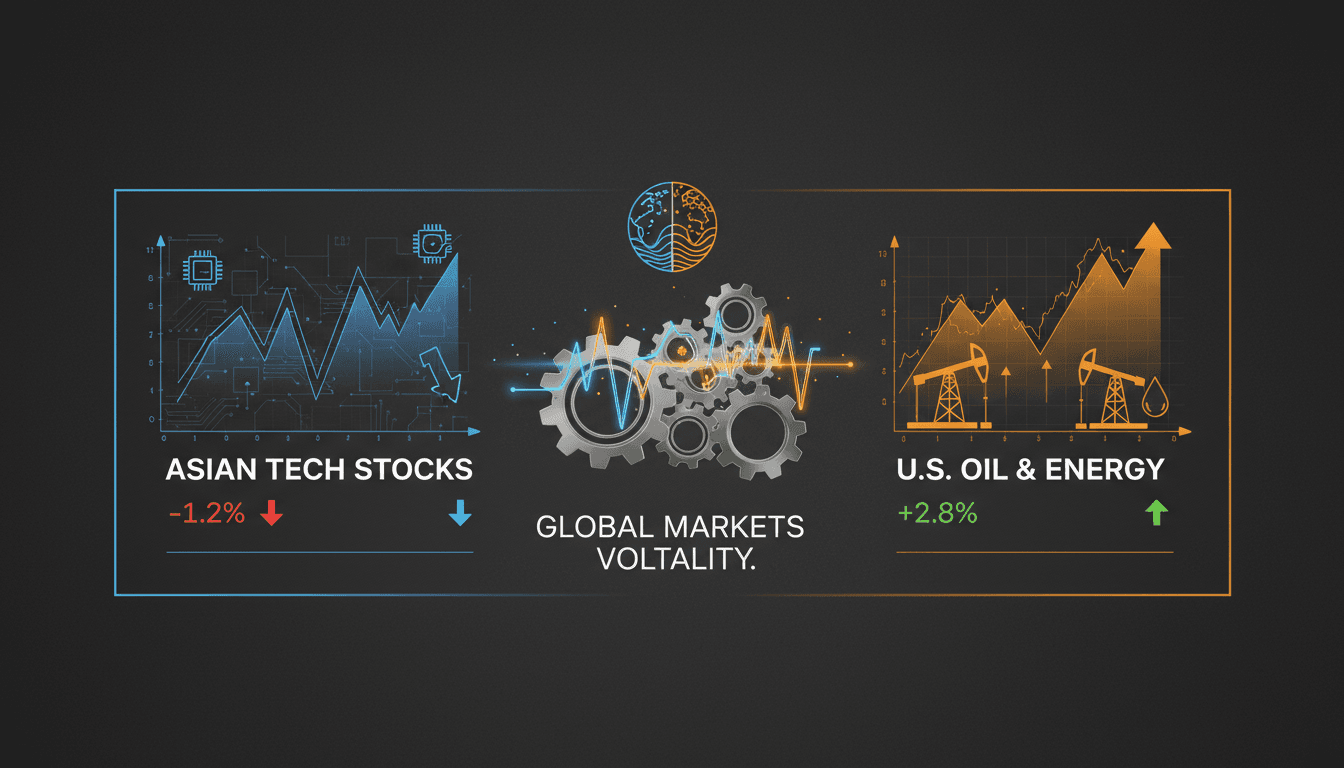
Asian stocks experienced a decline while U.S. stocks finished with mixed results, reflecting fluctuating sentiments in the technology sector and the oil market. The KOSPI index notably sank by 4%, indicating significant market volatility in Asia. This downturn followed a pause in the recent tech rally on Wall Street, which had previously buoyed investor confidence.
Crude oil prices edged lower as Iran reached a diplomatic agreement with Oman regarding the Strait of Hormuz, a critical shipping route. This agreement has implications for oil prices and overall market sentiment, contributing to the mixed performance observed in U.S. stocks.
The Context
The Strait of Hormuz is a vital artery for global oil transportation, and any diplomatic agreements can significantly influence oil prices and investor confidence. Recent volatility in AI-related stocks has added layers of uncertainty to the market, as investors grapple with the unpredictable nature of technology investments. Despite these challenges, Amazon's market value recently surpassed $3 trillion, showcasing strong performance in the tech sector amid broader market fluctuations.
The interplay between geopolitical tensions and technology stock performance is crucial for understanding current market dynamics. As investors react to these developments, the potential for continued volatility remains high.
Takeaway
Investors should remain vigilant as market dynamics continue to shift with ongoing geopolitical developments and the performance of the tech sector. Monitoring the situation in the Strait of Hormuz will be essential, as any changes could impact oil prices and investor sentiment. Additionally, keeping an eye on trends in AI stock performance will provide insights into broader market implications.
The outlook remains uncertain, with dual pressures from geopolitical tensions and the unpredictable nature of technology investments. As these factors evolve, they will shape the investment landscape in the coming weeks.
Global markets, investing, and macroeconomics from a premier financial newsroom.
"Bloomberg is respected for in-depth financial reporting and data-driven analysis."
— A47 Editor
Asian Stocks Drop as AI Rally Pauses, Oil Dips: Markets Wrap
Asian stocks experienced a decline on Thursday as the recent tech-led rally on Wall Street came to a halt, with crude oil prices also dipping following an agreement between Iran and Oman regarding the Strait of Hormuz.
Markets desk coverage, trading insights, and investor updates.
"WSJ’s markets reporting provides in-depth analysis and context for investors."
— A47 Editor
U.S. Stocks Mixed as Tech Wobbles Offset Hormuz Hopes
U.S. stocks closed mixed as optimism surrounding the potential reopening of the Strait of Hormuz was countered by increased volatility in technology investments, particularly in artificial intelligence.
Markets desk coverage, trading insights, and investor updates.
"WSJ’s markets reporting provides in-depth analysis and context for investors."
— A47 Editor
Stocks Rally as Oil Drops on Hormuz Diplomatic Hopes
Stocks rallied as oil prices declined, driven by diplomatic hopes surrounding the Strait of Hormuz, which has been a focal point of geopolitical tensions. This positive sentiment in the markets was further bolstered by Amazon's significant milestone ...
Market-moving headlines impacting equities, bonds, and related risk assets.
"Real-time catalysts and volatility drivers across indices and sectors."
— A47 Editor
Asia stocks retreat as KOSPI sinks 4%; AI selloff outweighs Iran optimism
Asian stock markets faced a significant retreat, with South Korea's KOSPI index plunging 4% amid a broader selloff in artificial intelligence (AI) stocks, overshadowing any optimism stemming from geopolitical developments in Iran.