
Iran and Oman move towards shipping agreement through Strait of Hormuz
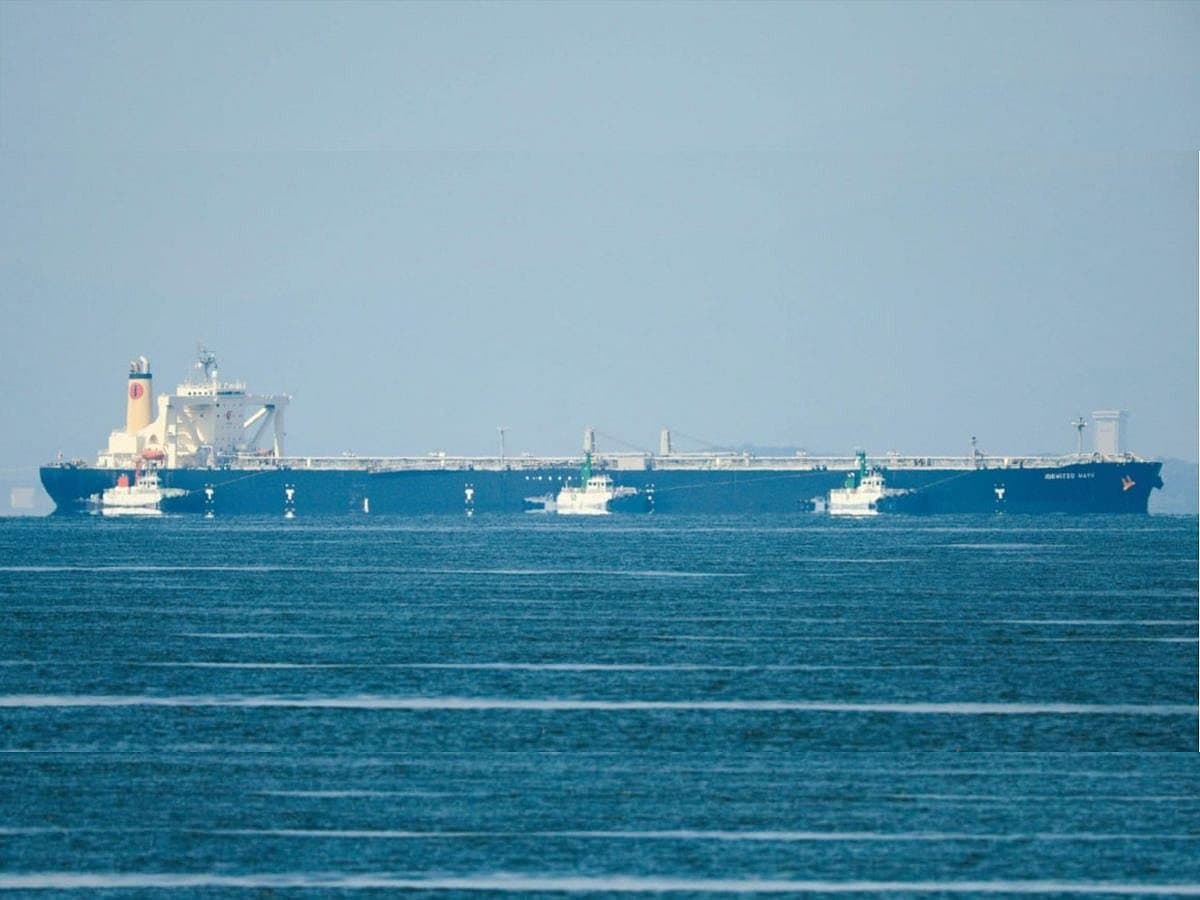
Here's what it means for you.
The potential agreement between Iran and Oman to reopen the Strait of Hormuz could significantly influence global oil markets. As this critical waterway accounts for approximately 20% of the world's oil and liquefied natural gas transport, any changes in shipping dynamics could lead to fluctuations in oil prices. Stakeholders in the energy sector should closely monitor these developments, as they may affect supply chains and pricing strategies. The ongoing negotiations also highlight the complexities of international relations, particularly concerning U.S. sanctions. The outcome of these talks could reshape energy flows and impact geopolitical stability in the region.
What happened
Iran and Oman are reportedly nearing an agreement to reopen the Strait of Hormuz for shipping. This development comes amid ongoing discussions that have raised hopes for increased energy flows. However, significant concerns regarding U.S. sanctions complicate the situation. The proposed deal is further challenged by differing expectations regarding shipping fees between the two nations.
Recent market fluctuations have seen Brent crude futures drop by 0.85% and West Texas Intermediate futures by 0.69%. As the negotiations progress, market participants are closely watching the potential implications for oil supply and pricing.
The Context
The Strait of Hormuz is a critical waterway for global oil transport, accounting for about 20% of the world's oil and liquefied natural gas. The ongoing discussions between Iran and Oman come at a time when oil prices are experiencing volatility. Analysts indicate that the proposed deal may face challenges due to U.S. sanctions and differing fee expectations, with Iran seeking 5% to 7% while Oman proposes around 3%.
The geopolitical landscape surrounding these negotiations is complex, as the U.S. has significant influence over sanctions policies that could affect the agreement. The outcome of these talks could have far-reaching implications for energy markets and international relations.
Takeaway
The outcome of the Iran-Oman negotiations could significantly impact global oil supply and prices in the near future. As discussions continue, market participants should monitor developments closely, particularly any U.S. responses to the proposed agreement. The potential reopening of the Strait of Hormuz could lead to shifts in energy flows that may alter pricing dynamics.
Investors and policymakers alike will need to remain vigilant as the situation evolves, given the potential for both opportunities and challenges in the energy sector.
Business, markets, economy, and corporate news with strong UAE and regional relevance.
"Emirates 24|7 business coverage tends to center UAE markets, property, regulation, and regional economic developments."
— A47 Editor
Oil prices drop as investors weigh potential Hormuz deal
Oil prices have declined as investors assess the potential for a deal between Oman and Iran to temporarily reopen the Strait of Hormuz, a vital route for global oil shipments. Brent crude futures fell by 0.85% to $81.79 a barrel, while U.S. West Texa...
Regional and international reporting focused on Middle Eastern politics, diplomacy, and economics.
"Asharq Al-Awsat is a Saudi-owned international newspaper reflecting mainstream Gulf political perspectives."
— A47 Editor
Vessel Traffic Through Hormuz Dwindles this Week as Markets Watch Iran-Oman Talks
Vessel traffic through the Strait of Hormuz has significantly decreased this week, with only 33 vessels recorded from Monday to Thursday, down from 50 the previous week. This decline coincides with ongoing negotiations between Iran and Oman aimed at ...
Oil, metals, and agriculture: supply/demand headlines, OPEC chatter, inventories, and price action.
"Solid tape for energy and metals traders tracking macro and micro catalysts."
— A47 Editor
Oil climbs, Brent rises as much as 5% amid reports on Hormuz deal, Iranian attacks
Oil prices have surged, with Brent crude rising by as much as 5%, following reports of a potential agreement between Iran and Oman regarding a shipping route through the Strait of Hormuz. This development is significant as the Strait is a crucial pas...
UAE-based newspaper covering Gulf politics, society, and international developments.
"Gulf News is one of the UAE’s most prominent English-language publications."
— A47 Editor
Oil hovers near $80 as US-Iran deal hopes offset lingering Hormuz supply risks
Oil prices are currently hovering near $80 per barrel, influenced by ongoing negotiations between the United States and Iran regarding a potential deal that could enhance maritime security in the Strait of Hormuz. This development comes amidst fluctu...
A curated Gulf News feed featuring major stories across news, business, opinion, and lifestyle.
"Gulf News is a major UAE newspaper whose featured stories feed reflects a broad editorial mix shaped for a Gulf audience."
— A47 Editor
Oil hovers near $80 as US-Iran deal hopes offset lingering Hormuz supply risks
Oil prices are currently hovering near $80 per barrel, influenced by ongoing negotiations between the United States and Iran regarding a potential deal that could enhance maritime security in the Strait of Hormuz. This development comes amidst fluctu...
Global markets, investing, and macroeconomics from a premier financial newsroom.
"Bloomberg is respected for in-depth financial reporting and data-driven analysis."
— A47 Editor
Latest Oil Market News and Analysis for Aug. 6
Oil prices held losses as Iran announced an agreement with Oman on a proposed shipping route through the Strait of Hormuz, a critical passage for global oil transport. This development raises the prospect of increased energy flows resuming through th...