
U.S. stocks decline as oil prices rise amid stalled negotiations over the Strait of Hormuz
What happened
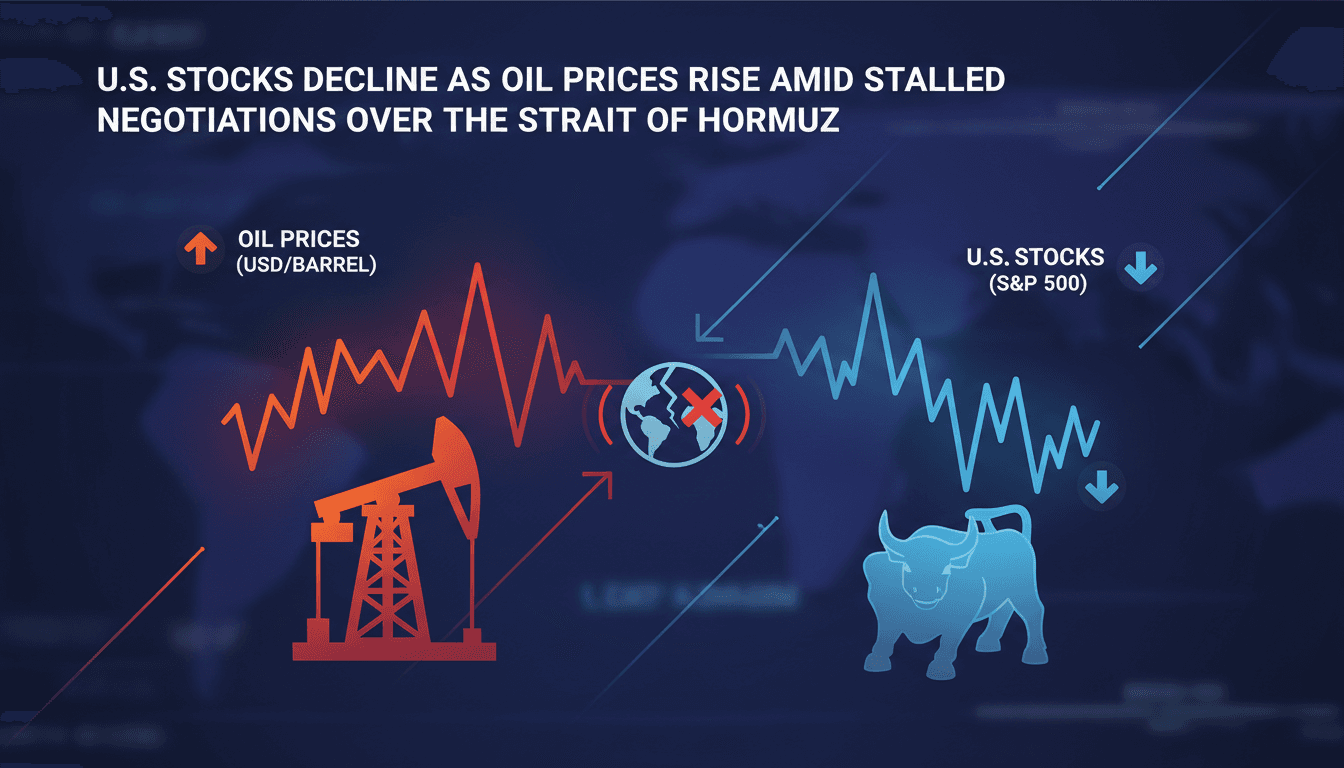
U.S. stocks have fallen as oil prices increased amid stalled negotiations over the Strait of Hormuz. The immediate trigger for this market movement was Iran's rejection of talks with the U.S., which has heightened volatility across financial markets. Traders are adopting a cautious approach, particularly as they await upcoming inflation data that could further influence market sentiment.
The current status of negotiations stands at zero progress, indicating a significant impasse. This deadlock has raised concerns among investors, leading to a more conservative trading environment on Wall Street.
The Context
Negotiations aimed at restoring energy flows through the Strait of Hormuz are currently deadlocked, creating a precarious situation for global oil supply. The Strait is a critical route for oil transportation, making any disruptions particularly impactful on prices. Iran's refusal to engage in talks with the U.S. complicates the situation further, as it raises the stakes for all parties involved.
As traders remain cautious ahead of key inflation data, the market is experiencing heightened volatility. The interplay between geopolitical tensions and economic indicators will be crucial in shaping market dynamics in the near future.
Takeaway
Market participants will be closely monitoring developments in the Strait of Hormuz and the upcoming inflation data. Potential shifts in oil prices based on geopolitical developments could have significant repercussions for stock market performance. Investors should remain vigilant, as the current uncertainty may lead to further fluctuations in both oil and equity markets.
The outlook remains uncertain, with geopolitical tensions and inflation data looming large. Staying informed about these factors will be essential for navigating the evolving market landscape.
Markets desk coverage, trading insights, and investor updates.
"WSJ’s markets reporting provides in-depth analysis and context for investors."
— A47 Editor
U.S. Stocks Down as Oil Rises Ahead of Inflation Data
U.S. stocks experienced a decline as negotiations regarding the future of the Strait of Hormuz remain deadlocked, contributing to rising oil prices and inflation concerns. This downturn reflects investor anxiety over geopolitical tensions and the pot...
Global markets, investing, and macroeconomics from a premier financial newsroom.
"Bloomberg is respected for in-depth financial reporting and data-driven analysis."
— A47 Editor
S&P 500 Falls as Oil Climbs Before Inflation Data: Markets Wrap
The S&P 500 index fell as Wall Street traders adopted a cautious approach ahead of key inflation data, with stocks declining amid rising oil prices due to the unresolved situation in the Strait of Hormuz.
Global markets, investing, and macroeconomics from a premier financial newsroom.
"Bloomberg is respected for in-depth financial reporting and data-driven analysis."
— A47 Editor
Oil Gains as Iran Deal Eludes, Asian Stocks Rise: Markets Wrap
Oil prices have continued to rise as early Monday trading revealed Iran's rejection of talks with the U.S., leaving a deal to reopen the crucial Strait of Hormuz uncertain. This situation has led to increased market volatility, particularly affecting...