
US records zero oil imports from Saudi Arabia for the first time in 40 years
Here's what it means for you.
The United States' decision to halt oil imports from Saudi Arabia marks a significant shift in its energy landscape. This change reflects evolving market dynamics and a strategic pivot by U.S. refiners, which could reshape relationships with oil-producing nations. As the U.S. diversifies its energy sources, the implications for both domestic and international markets will be profound. This historic moment may influence future energy policies and pricing strategies, as the U.S. seeks to adapt to changing global conditions. Stakeholders in the energy sector should closely monitor these developments.
What happened
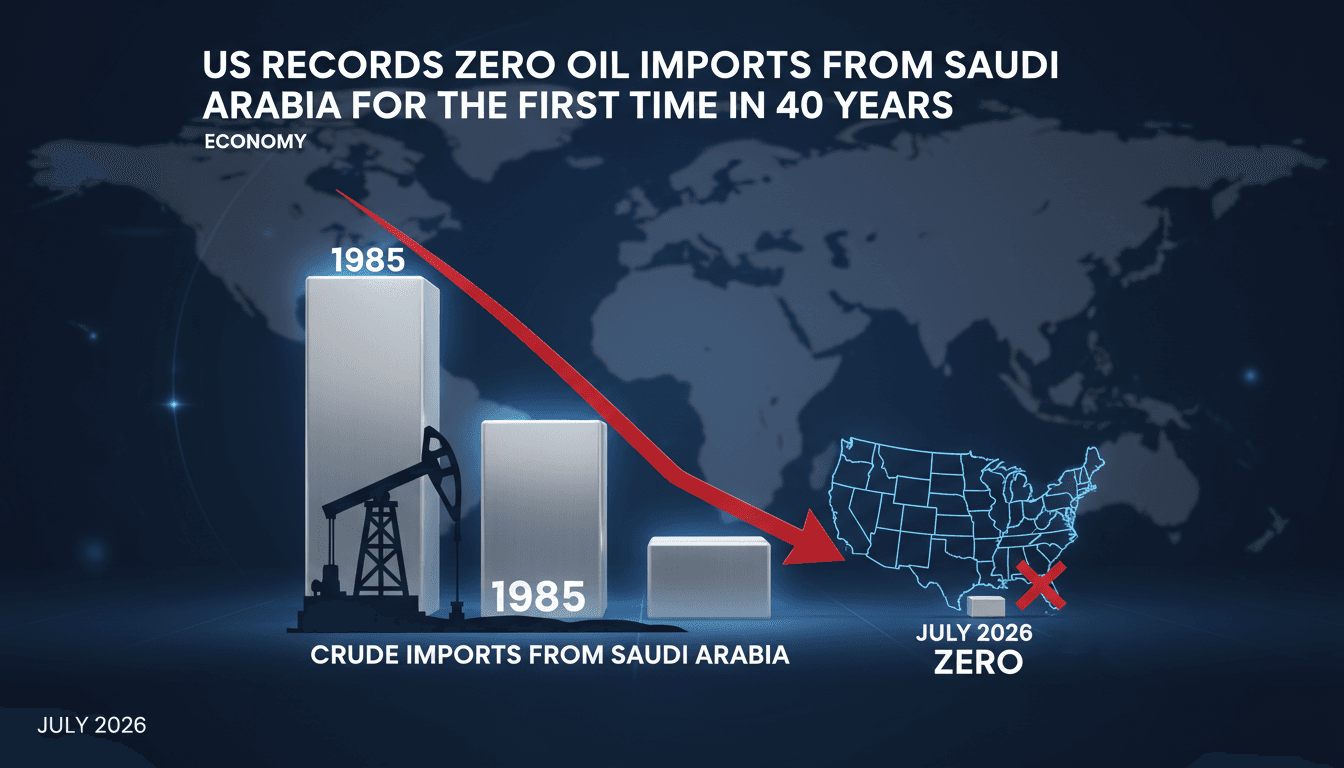
In July 2026, the United States recorded zero oil imports from Saudi Arabia for the first time since 1985. This unprecedented drop signifies a major shift in U.S. energy sourcing strategies. The U.S. Department of Energy confirmed this historic decline, indicating a complete halt in imports from the Kingdom.
The decision comes as U.S. refiners adjust their sourcing strategies in response to changing global oil market dynamics. This development underscores a pivotal moment in the U.S. energy landscape, with potential long-term implications for energy policy.
The Context
The last recorded instance of zero oil imports from Saudi Arabia occurred in 1985, making this event particularly noteworthy. The decline in imports is attributed to U.S. refiners' strategic adjustments, reflecting broader trends in energy sourcing and geopolitical relations.
As the global oil market evolves, the U.S. is increasingly looking to diversify its oil supply sources. This shift could alter the dynamics of U.S. relationships with oil-producing nations, particularly Saudi Arabia, which has historically been a key supplier.
Takeaway
Looking ahead, the U.S. may continue to adapt its energy strategies in response to market conditions. Observers should monitor potential changes in U.S. energy policy regarding foreign oil imports, as well as the implications for global oil prices.
The impact on Saudi Arabia's economy and its oil market relationships will also be crucial to watch. This historic moment could signal a broader transformation in how the U.S. engages with oil-producing nations.
Arabic-language coverage of international news and geopolitics.
"RT Arabic is a Russian state-funded outlet often criticized for promoting Kremlin-aligned narratives."
— A47 Editor
واردات الولايات المتحدة من النفط السعودي تهبط إلى الصفر لأول مرة منذ 1985
Preliminary data from the U.S. Department of Energy indicates that U.S. imports of Saudi crude oil have dropped to zero in July, marking the first complete halt in imports since 1985. This significant decline reflects changing dynamics in the global ...
Macro commentary, policy analysis, growth/inflation themes, and global outlooks.
"Contextual macro coverage that complements day-to-day market headlines."
— A47 Editor
US oil imports from Saudi Arabia at zero in July, first time in 40 years
In July 2026, the United States recorded zero oil imports from Saudi Arabia for the first time in 40 years, marking a significant shift in the energy trade dynamics between the two nations. This unprecedented decline reflects changes in U.S. refining...
Global markets, investing, and macroeconomics from a premier financial newsroom.
"Bloomberg is respected for in-depth financial reporting and data-driven analysis."
— A47 Editor
Saudi Crude Shipments to US Plunge to Zero as Oil Refiners Pivot
US imports of Saudi Arabian oil fell to zero in July 2026, marking the first complete month without imports since 1985, according to preliminary government data. This significant decline reflects a shift in the oil market dynamics as US refiners adju...