
Geopolitical tensions escalate as Houthi militants attack Saudi refinery impacting oil prices
What happened
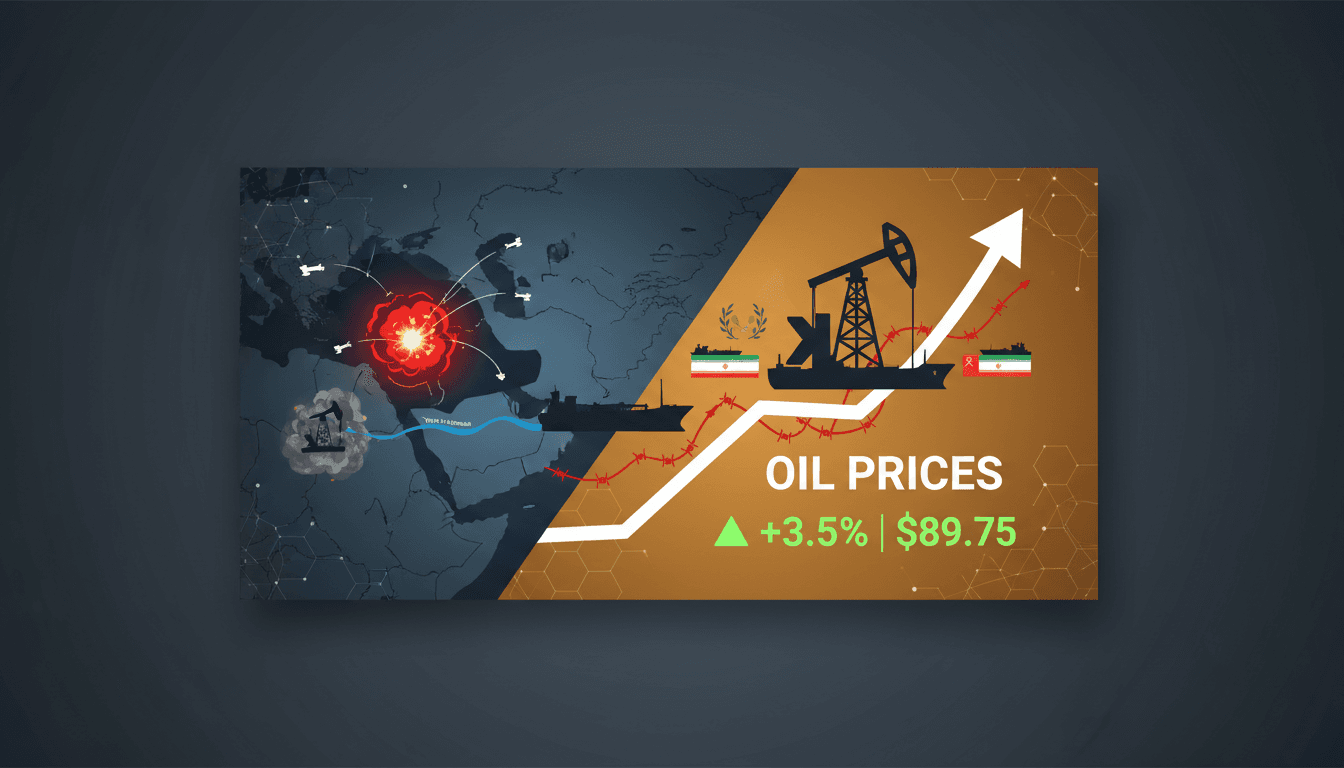
Oil prices have extended gains amid escalating tensions in the Middle East, particularly following an attack on a Saudi refinery by Houthi militants. This incident has contributed to a significant decline in oil prices over the past week, with reports indicating a drop of over 8%. The attack has heightened concerns about market stability and the potential for further disruptions in oil supply.
As the situation develops, the oil market is reacting to these geopolitical events, reflecting the interconnectedness of global energy dynamics. The ongoing volatility is a clear indication of how sensitive the market is to geopolitical tensions.
The Context
The Strait of Hormuz is a crucial shipping route for global oil supply, and ongoing negotiations between Iran and Oman regarding its reopening are pivotal. The Houthi militants' attack on the Saudi refinery near the Red Sea adds another layer of complexity to an already tense situation. The interplay between these geopolitical factors is critical, as they directly influence oil prices and market stability.
With oil prices fluctuating significantly, stakeholders are closely monitoring the developments in the region. The potential for further escalations or attacks could exacerbate the current volatility, making it essential for market participants to stay informed.
Takeaway
Looking ahead, the situation in the Middle East will likely continue to influence oil prices in the near future. Market observers should keep an eye on the negotiations between Iran and Oman, as any breakthroughs or setbacks could have immediate repercussions on oil supply and pricing. Additionally, further attacks or escalations from Houthi militants could lead to increased market instability.
As these dynamics unfold, the oil market is expected to remain volatile, with potential impacts on global supply chains and pricing strategies. Stakeholders must remain proactive in their assessments and responses to these developments.
Global markets, investing, and macroeconomics from a premier financial newsroom.
"Bloomberg is respected for in-depth financial reporting and data-driven analysis."
— A47 Editor
Latest Oil Market News and Analysis for Aug. 10
Oil prices have extended gains as negotiations between Iran and Oman to reopen the strategically vital Strait of Hormuz remain unresolved. Houthi militants have also claimed responsibility for an attack on a Saudi refinery near the Red Sea, contribut...
Oil, metals, and agriculture: supply/demand headlines, OPEC chatter, inventories, and price action.
"Solid tape for energy and metals traders tracking macro and micro catalysts."
— A47 Editor
Oil slides more than 8% for the week as traders hope for Hormuz reopening deal
Oil prices have dropped more than 8% for the week, driven by traders' hopes for a potential reopening deal concerning the Strait of Hormuz, a vital shipping route for global oil transport. This decline reflects ongoing volatility in the market amid g...
Oil, metals, and agriculture: supply/demand headlines, OPEC chatter, inventories, and price action.
"Solid tape for energy and metals traders tracking macro and micro catalysts."
— A47 Editor
Brent climbs $1 on uncertainty over end to Iran war
Brent crude oil prices increased by $1 amid ongoing uncertainty regarding the conclusion of the conflict in Iran. This rise reflects market reactions to geopolitical tensions and potential shifts in oil supply dynamics.