
US inflation reaches three-year high of 4.2% amid Middle East conflicts
Here's what it means for you.
The recent surge in US inflation to 4.2% signals significant economic pressure that could influence consumer spending and investment decisions. As prices rise, households may face increased costs, prompting a shift in purchasing behavior. Policymakers will likely monitor these developments closely, as sustained inflation may necessitate government interventions to stabilize the economy.
What happened
US inflation has reached 4.2% in May, marking the highest rate in three years. This increase is primarily driven by rising prices linked to ongoing geopolitical tensions, particularly the conflict involving Iran. The Consumer Price Index (CPI) has risen for three consecutive months, impacting American households and contributing to broader economic concerns.
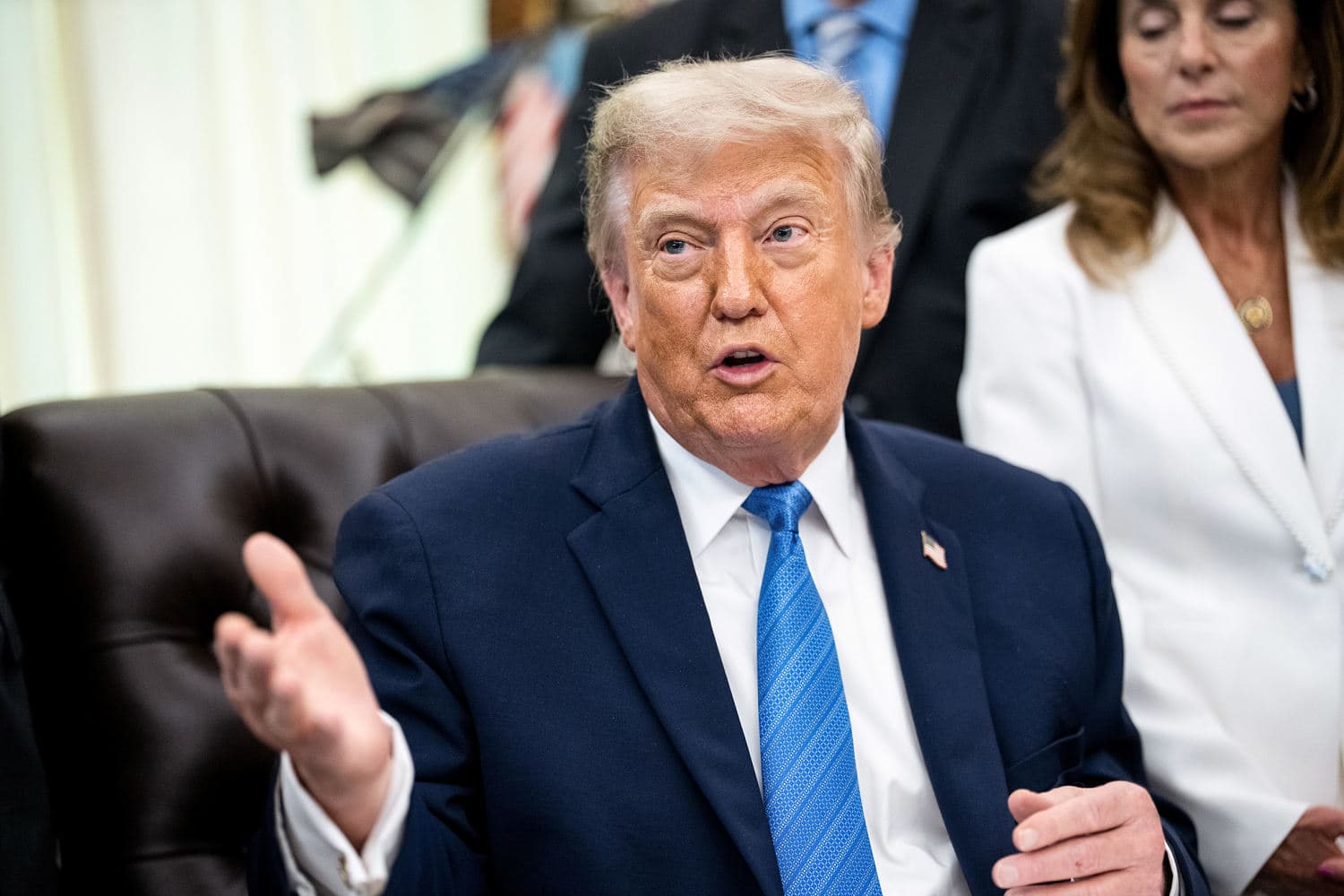
President Trump has made controversial remarks regarding inflation, suggesting that the current pressures could lead to a more significant decline in the future once geopolitical tensions ease. Meanwhile, European stock markets have reacted negatively, with declines across major indices reflecting the global implications of rising US inflation.
The Context
The increase in inflation is attributed to the ongoing conflict between the US and Iran, which has created uncertainty in global markets. This situation has not only affected domestic economic conditions but has also led to adverse reactions in international stock markets. As inflation continues to rise, it raises questions about economic stability and the potential for government intervention.
The timing of this inflation spike is critical, as it coincides with heightened geopolitical tensions that could further exacerbate economic pressures. Stakeholders, including consumers and investors, are closely watching how these developments will unfold and what measures may be taken to address the situation.
Takeaway
The ongoing geopolitical tensions may continue to influence inflation rates and economic stability in the US. Monitoring developments in the US-Iran conflict will be essential, as these events could have significant economic implications. Additionally, potential policy responses from the US government regarding inflation will be crucial in shaping the economic landscape in the coming months.
As inflationary pressures persist, consumer behavior may shift, prompting a reevaluation of spending habits and investment strategies. Stakeholders should remain vigilant as the situation evolves.
Latest Bahasa Malaysia headlines across national affairs, politics, business, and public developments.
"Astro Awani offers a broad latest-news feed useful for detecting fast-moving Malaysian institutional stories."
— A47 Editor
"Saya suka inflasi," kata Trump ketika rakyat AS berdepan kenaikan harga barangan
Recent data indicates that the U.S. Consumer Price Index (CPI) has risen for the third consecutive month, putting increasing pressure on American households amid ongoing tensions between the U.S. and Iran. Former President Donald Trump remarked on th...
National headlines across the United States including breaking stories and societal issues.
"NBC News is a mainstream media outlet known for comprehensive national and international news coverage with a centrist to slightly left-leaning editorial tone."
— A47 Editor
Trump says ‘I love the inflation’ as annual rate jumps to a 3-year high
President Trump recently stated, 'I love the inflation,' as the U.S. inflation rate surged to 4.2% in May, marking the highest level in three years, primarily driven by rising gas prices amid the ongoing conflict in Iran.
News from the United States including domestic politics, society, and culture.
"The Guardian is known for its progressive editorial stance and in-depth analysis, often advocating for social justice, environmental issues, and liberal values."
— A47 Editor
US inflation hits 4.2% in May as Trump’s Middle East conflict drives up prices - as it happened
US inflation reached a three-year high of 4.2% in May, driven by escalating tensions in the Middle East linked to Trump's policies, which have contributed to rising prices. European stock markets reacted negatively, with the UK's FTSE 100 down 0.5%, ...
International coverage from The Guardian's global desks.
"The Guardian is known for its progressive editorial stance and in-depth analysis."
— A47 Editor
US inflation hits 4.2% in May as Trump’s Middle East conflict drives up prices - as it happened
US inflation reached a three-year high of 4.2% in May, driven by escalating tensions in the Middle East linked to Trump's policies, which have contributed to rising prices. European stock markets reacted negatively, with the UK's FTSE 100 down 0.5%, ...
UK and international business news, economics, and corporate coverage.
"The Guardian’s business section covers finance and markets with a progressive editorial tone."
— A47 Editor
FTSE 100 joins global stock market fall as US and Iran exchange fire - business live
The FTSE 100 has joined a global decline in stock markets, falling by 0.5% amid escalating tensions between the US and Iran, which have included military exchanges. Other European indices, such as the German Dax and French Cac 40, also reported losse...