
U.S.-Israeli military actions against Iran escalate fuel prices and inflation
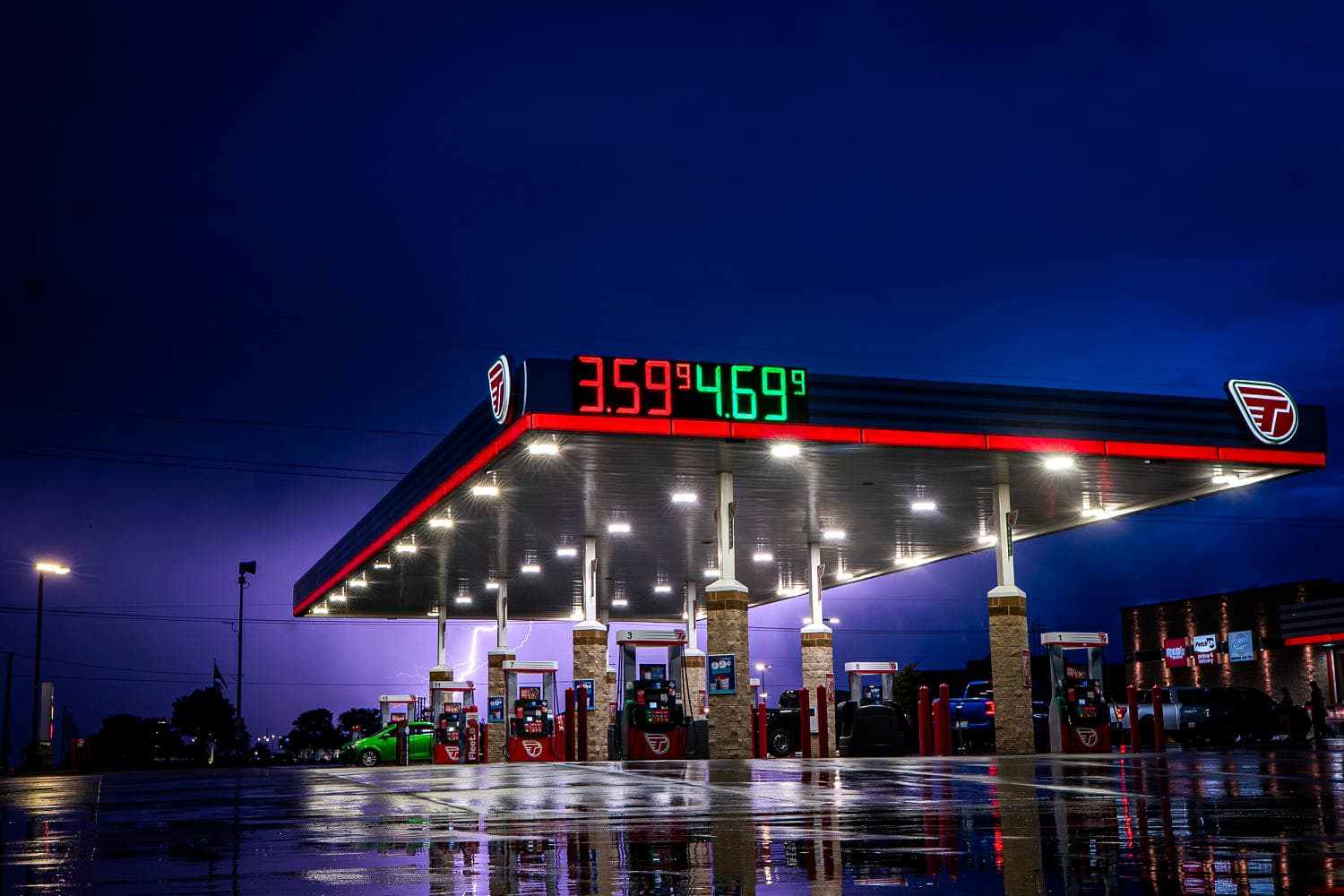
Here's what it means for you.
The recent military actions by the U.S. and Israel against Iran have triggered a notable increase in fuel prices, which could have widespread implications for consumers and businesses alike. As inflationary pressures mount, the cost of living may rise, impacting household budgets and spending power. Policymakers will need to closely monitor these developments to mitigate potential economic fallout. The escalation of tensions in the Middle East is likely to affect global markets, leading to increased volatility. Stakeholders across various sectors should prepare for potential disruptions in supply chains and energy prices.
What happened
The U.S.-Israeli military strikes on Iran have led to a significant rise in fuel prices and heightened concerns regarding global oil supply. In the last 48 hours, U.S. fuel prices have surged more than 25% since the onset of military actions on February 28. This spike in prices is attributed to fears of supply disruptions as tensions in the region escalate.
As oil reserves dwindle, the economic repercussions are becoming increasingly evident. The World Bank has issued warnings about the potential slowdown in global economic growth due to the ongoing conflict. The situation is evolving rapidly, with implications that could extend beyond the immediate region.
The Context
The military conflict involving the U.S. and Israel against Iran has significant historical and geopolitical roots. The ongoing tensions have raised alarms about the stability of oil supplies from the Middle East, a critical region for global energy markets. As the conflict continues, the amount of oil and fuel stored has sharply declined, exacerbating inflationary pressures.
The timing of these military actions coincides with a period of already strained global supply chains, making the situation even more precarious. Stakeholders, including consumers, businesses, and governments, are now facing the challenge of navigating an uncertain economic landscape as the conflict unfolds.
Takeaway
As the situation in Iran continues to develop, the economic implications may lead to further instability in global markets. It is crucial to monitor U.S.-Iran relations closely, as any shifts could significantly impact oil prices and inflation rates. Governments may need to consider policy responses to address these challenges and mitigate the effects on consumers and businesses.
The potential for increased inflation and disrupted supply chains necessitates vigilance from all sectors. Stakeholders should prepare for ongoing volatility and consider strategies to adapt to the evolving economic landscape.
Markets, economy, and company analysis from NYT’s business desk.
"The New York Times is a globally recognized newspaper offering authoritative reporting with a center-left editorial stance."
— A47 Editor
The World Is Draining Oil Reserves, Raising Pressure for a Peace Deal
The ongoing U.S.-Israeli military conflict against Iran has led to a significant depletion of oil reserves, with stored oil and fuel levels dropping sharply since the war's onset. This decline raises concerns about potential supply shortages in the e...
Markets, economy, and company analysis from NYT’s business desk.
"The New York Times is a globally recognized newspaper offering authoritative reporting with a center-left editorial stance."
— A47 Editor
World Bank Warns Iran War Is Slowing Global Growth
The World Bank has issued a warning that the ongoing conflict involving Iran is contributing to a slowdown in global economic growth, exacerbated by rising energy prices and inflation. Recent military actions, including U.S.-Israeli airstrikes on Teh...
Global political, business, and cultural coverage from WSJ international desks.
"The Wall Street Journal offers extensive international reporting with a reputation for financial insight and a center-right editorial stance."
— A47 Editor
Oil Prices Rise as U.S.-Iran Tensions Escalate
Oil prices surged on Thursday as escalating tensions between the U.S. and Iran raised concerns about potential disruptions in oil supply from the Middle East. The U.S. has intensified military actions against Iran, launching airstrikes for a second c...
UK and global business, economy, and markets coverage.
"Sky News is often seen as a center-right outlet in the UK, known for rolling news and breaking business stories."
— A47 Editor
Americans are paying a growing financial price for Iran war
The ongoing military conflict involving the U.S. and Israel against Iran, which began on February 28, has led to a significant rise in fuel prices, increasing over 25% since the war's inception. This surge in costs is now impacting American consumers...
News from the United States including domestic politics, society, and culture.
"Sky News is often seen as a center-right outlet in the UK, known for its rolling news coverage and emphasis on breaking stories and political affairs."
— A47 Editor
Americans are paying a growing financial price for Iran war
The ongoing military conflict involving the U.S. and Israel against Iran, which began on February 28, has led to a significant rise in fuel prices, increasing over 25% since the war's inception. This surge in costs is now impacting American consumers...
National headlines across the United States including breaking stories and societal issues.
"NBC News is a mainstream media outlet known for comprehensive national and international news coverage with a centrist to slightly left-leaning editorial tone."
— A47 Editor
Trump downplays inflation concerns as rate hits highest level since early 2023
Former President Trump has downplayed concerns regarding inflation as the rate has reached its highest level since early 2023, with consumers and U.S. workers experiencing wage growth that lags behind rising prices.