
Surge in Oil Prices Amid Ongoing U.S.-Iran Conflict
What happened
Oil prices have surged to $90 a barrel as the U.S.-Iran war disrupts global oil supplies. This escalation is attributed to a significant decline in U.S. strategic oil stockpiles, which have fallen to a 40-year low. The ongoing conflict has raised alarms about the adequacy of global oil stocks to meet future demand.
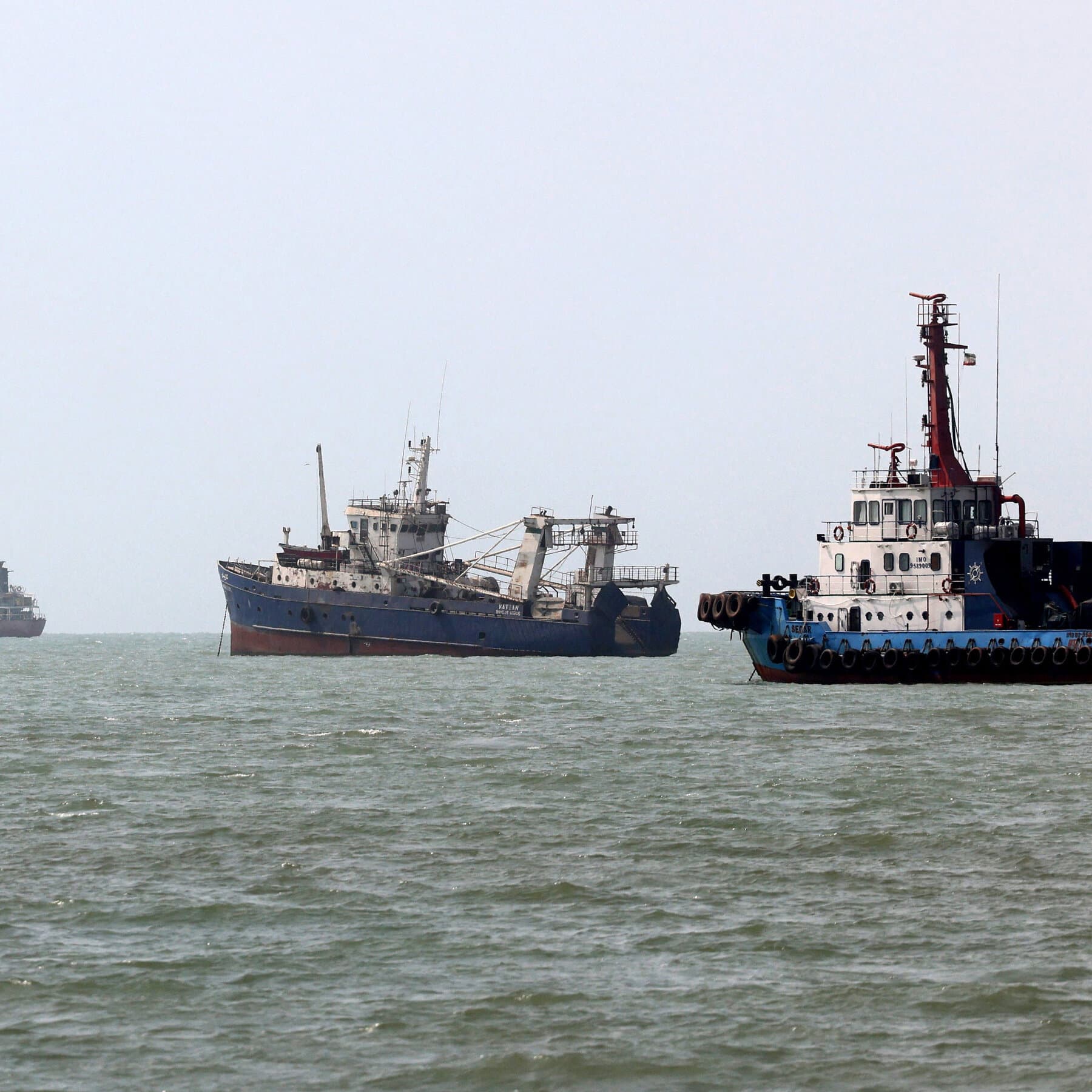
As the war continues, commercial shipping in the Strait of Hormuz is being affected, further complicating the situation. The combination of these factors has created a precarious environment for oil markets, leading to increased prices and uncertainty.
The Context
The U.S.-Iran conflict has been a longstanding issue, but recent escalations have intensified its impact on global oil supplies. With U.S. strategic oil stockpiles at a critical low, the ability to sustain supply during this crisis is in question. The situation is further complicated by the stalemate in the Iran war, which is affecting key shipping routes.
This conflict not only poses risks to energy security but also raises concerns about the broader economic implications. As global oil markets face this critical test, stakeholders must consider the potential for prolonged disruptions and their effects on supply chains.
Takeaway
If the U.S.-Iran conflict continues without resolution, further volatility in oil prices is likely. The potential for increased pressure on global supply chains necessitates close monitoring of geopolitical developments. Stakeholders should keep an eye on changes in global oil stock levels and pricing trends to navigate this uncertain landscape.
As the situation evolves, the adequacy of global oil stocks will remain a key concern. Businesses and consumers alike should prepare for the possibility of further spikes in oil prices and supply shortages.
Arabic-language coverage of international news and geopolitics.
"RT Arabic is a Russian state-funded outlet often criticized for promoting Kremlin-aligned narratives."
— A47 Editor
180 يوما فقط.. مخزونات النفط تواجه اختبار الحرب الأمريكية الإيرانية
Global oil markets are facing a critical test as the conflict between the United States and Iran continues, raising concerns about the ability of global inventories to compensate for supply shortages if the crisis persists for six months.
Oil, metals, and agriculture: supply/demand headlines, OPEC chatter, inventories, and price action.
"Solid tape for energy and metals traders tracking macro and micro catalysts."
— A47 Editor
Are global oil stocks big enough to weather another six months of US-Iran war?
Global oil stocks are facing scrutiny as the ongoing conflict between the US and Iran raises concerns about their adequacy to withstand potential disruptions over the next six months. With tensions escalating, analysts are questioning whether current...
International coverage of politics, security, and social issues.
"Global News is a mainstream Canadian outlet with a centrist editorial stance, focusing on factual reporting."
— A47 Editor
Strategic oil stockpiles have hit a 40-year low amid the Iran war
Oil prices surged as the ongoing conflict in Iran has led to U.S. strategic oil stockpiles reaching their lowest levels in over 40 years, raising concerns about global supply stability.
Markets, economy, and company analysis from NYT’s business desk.
"The New York Times is a globally recognized newspaper offering authoritative reporting with a center-left editorial stance."
— A47 Editor
Oil Prices Touch $90 a Barrel Over U.S.-Iran Stalemate
Oil prices have surged to $90 a barrel amid a deepening stalemate between the U.S. and Iran regarding the Strait of Hormuz, a crucial waterway for global oil transport. The ongoing tensions have led to a significant decline in commercial shipping act...