
Eurozone bond yields decline following U.S. inflation data release
What happened
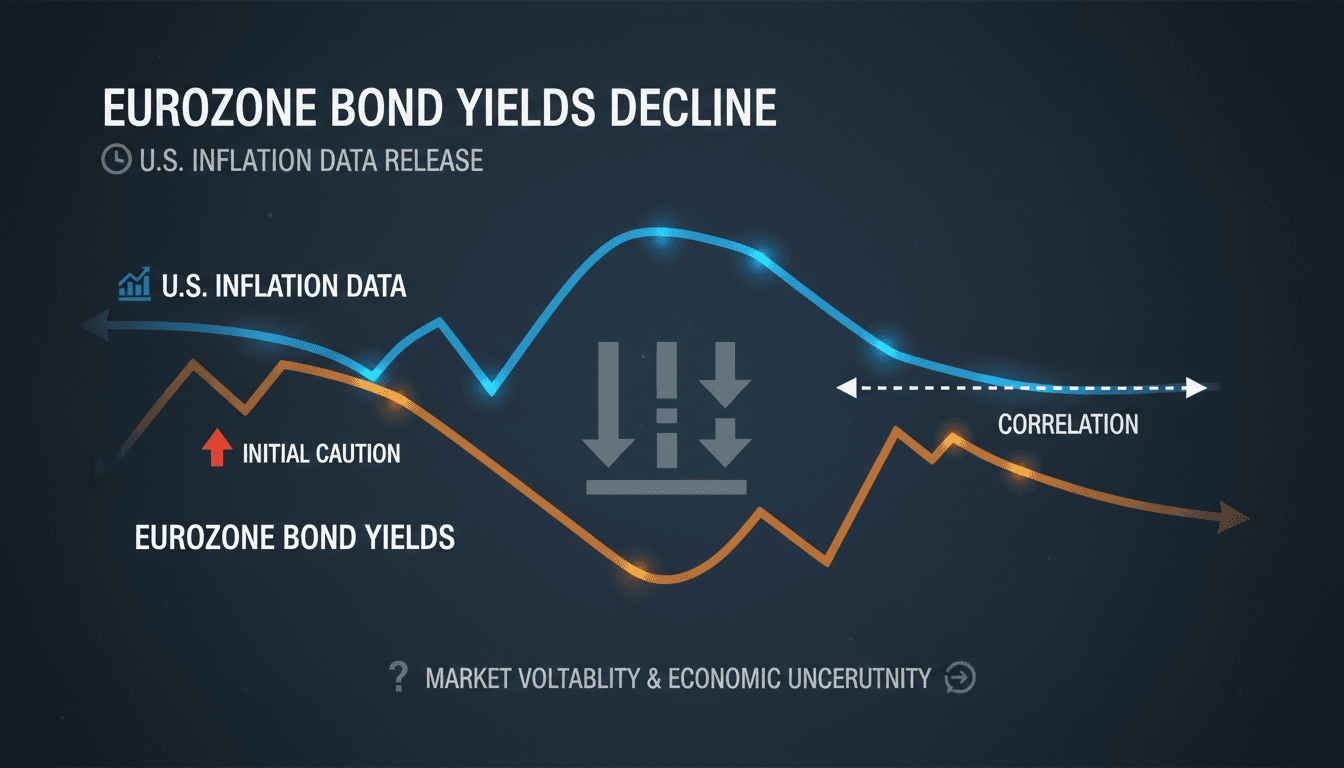
Eurozone bond yields fell after the release of U.S. inflation data, showcasing a notable reaction from investors. Initially, yields rose as market participants anticipated the U.S. Consumer Price Index (CPI) data, reflecting a cautious approach ahead of the announcement. However, following the release, yields edged lower, indicating a shift in sentiment as the data was digested.
This change in bond yields, which saw a decline of approximately 0.5%, underscores the influence of U.S. inflation data on global market sentiments. The fluctuations in yields highlight the importance of monitoring economic indicators that can sway investor confidence.
The Context
The bond market's reaction to the U.S. inflation data illustrates the interconnected nature of global financial systems. Investors were initially cautious, leading to an increase in yields prior to the CPI release. The subsequent decline in yields reflects a broader trend where U.S. economic conditions significantly impact Eurozone markets.
As bond yields serve as a key indicator of investor confidence and economic outlook, their movements are closely watched by stakeholders across the financial landscape. The timing of these fluctuations is critical, as they can influence central bank policies and market strategies.
Takeaway
Looking ahead, market participants will continue to monitor inflation trends closely, as these will have direct implications for bond yields and economic forecasts. Upcoming U.S. economic reports are likely to further influence market dynamics, prompting investors to adjust their strategies accordingly.
Central bank responses to inflation data will also be pivotal in shaping future market conditions. As inflation data continues to emerge, volatility in bond yields is expected to persist, reflecting ongoing economic uncertainties.
Macro commentary, policy analysis, growth/inflation themes, and global outlooks.
"Contextual macro coverage that complements day-to-day market headlines."
— A47 Editor
Euro zone bond yields edge lower on US inflation data
Euro zone bond yields have edged lower following the release of subdued US inflation data, which has eased concerns regarding potential interest rate hikes by the Federal Reserve. This development reflects a broader trend in the markets as investors ...
Markets desk coverage, trading insights, and investor updates.
"WSJ’s markets reporting provides in-depth analysis and context for investors."
— A47 Editor
Eurozone Government Bond Yields Rise Ahead of U.S. CPI Data
Yields on eurozone government bonds have risen as investors adopt a cautious stance ahead of the release of U.S. Consumer Price Index (CPI) inflation data. This increase reflects market sensitivity to inflationary pressures and economic indicators fr...
Social/economic commentary and analysis relevant to business and markets.
"WSJ blends data-driven economic insight with commentary on policy and society."
— A47 Editor
Eurozone Government Bond Yields Rise Ahead of U.S. CPI Data
Yields on eurozone government bonds have risen as investors adopt a cautious stance ahead of the upcoming U.S. Consumer Price Index (CPI) data, reflecting concerns about inflation trends.