
Iran conflict threatens global oil supply with potential loss of 600,000 bpd
What happened
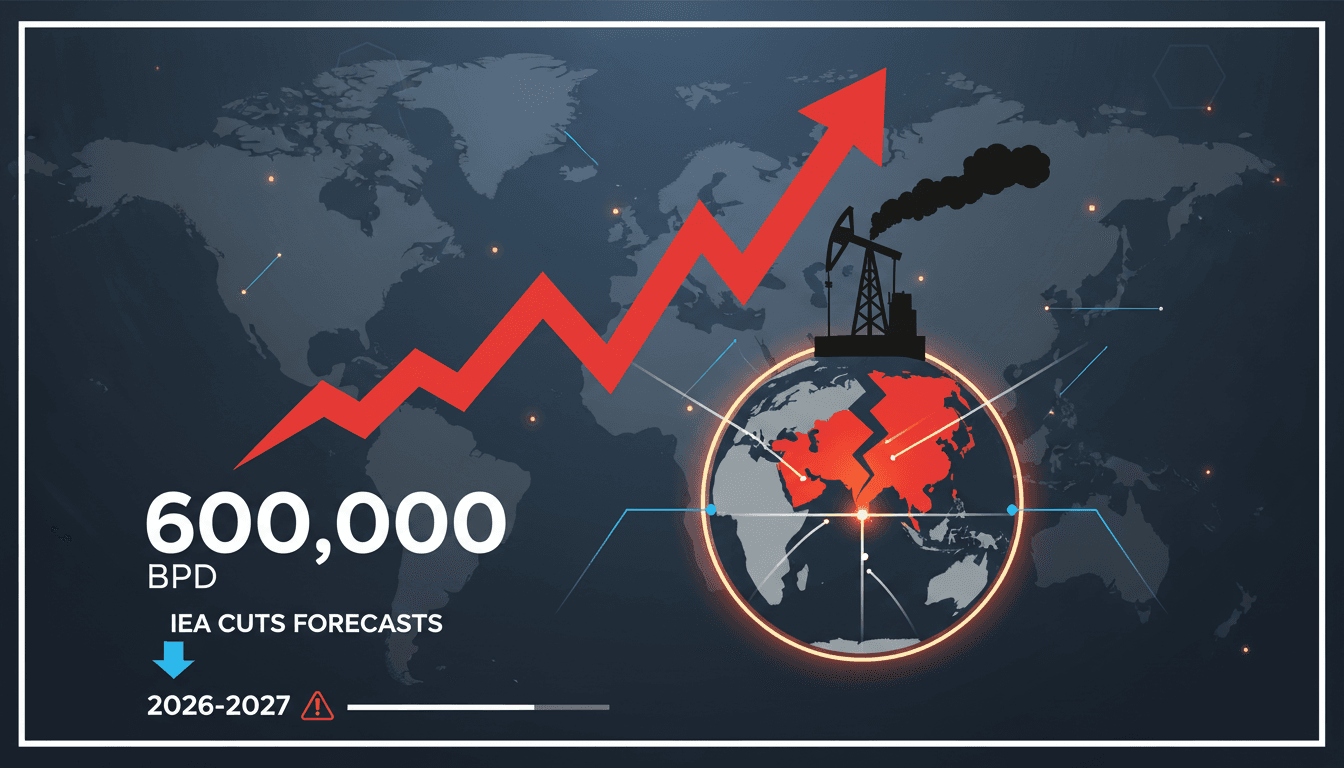
The United States has reported that the ongoing conflict in Iran could result in oil supply disruptions reaching 600,000 barrels per day. This alarming estimate has prompted the International Energy Agency (IEA) to make significant cuts to its oil supply forecasts for 2026. The downward revision reflects growing concerns over the sustained instability in oil production due to the conflict.
As a result of these disruptions, the global oil market is bracing for continued volatility and price fluctuations. The IEA's adjustments indicate that the repercussions of the Iran conflict will likely extend into 2027, affecting both producers and consumers worldwide.
The Context
The conflict in Iran has created substantial instability in oil supply chains, raising alarms among global energy stakeholders. The IEA's forecast cuts underscore the seriousness of the situation, as officials express concerns over the potential for prolonged disruptions in oil production. The timing of these developments is critical, as they coincide with a period of heightened geopolitical tensions.
US officials predict that the disruptions will persist, further complicating the landscape for energy markets. The implications of these supply challenges are far-reaching, affecting everything from pricing strategies to energy policy decisions across the globe.
Takeaway
Looking ahead, the global oil market is likely to face ongoing supply challenges as the situation in Iran evolves. Stakeholders should closely monitor developments in the conflict and their potential impact on oil production. Additionally, further adjustments in global oil supply forecasts from major agencies are anticipated, which could lead to increased price volatility.
As the conflict continues, it is essential for businesses and policymakers to remain agile and responsive to the changing dynamics of the energy market. The potential for sustained disruptions will require strategic planning and proactive measures to mitigate risks.
UAE-based English-language newspaper covering regional politics, economics, and global affairs.
"The National reflects Emirati policy perspectives while maintaining international editorial standards."
— A47 Editor
Iran war drives IEA to deepest cut in 2026 oil supply forecast
The International Energy Agency (IEA) has significantly reduced its oil supply forecast for 2026, citing the ongoing conflict in Iran and the closure of the Strait of Hormuz as critical factors. This adjustment marks the IEA's deepest cut in projecti...
UAE-based English-language newspaper covering regional politics, economics, and global affairs.
"The National reflects Emirati policy perspectives while maintaining international editorial standards."
— A47 Editor
Oil disruptions from Iran war to continue through next year, US says
The United States has indicated that oil disruptions stemming from the ongoing conflict in Iran are expected to persist into the next year, highlighting the geopolitical tensions affecting global oil supply.
Macro commentary, policy analysis, growth/inflation themes, and global outlooks.
"Contextual macro coverage that complements day-to-day market headlines."
— A47 Editor
US sees oil disruptions from Iran conflict reaching 600,000 bpd
The United States has projected that oil disruptions stemming from the ongoing conflict with Iran could reach 600,000 barrels per day (bpd). This situation arises amid heightened geopolitical tensions and instability in the region, particularly affec...