
Oil prices approach $90 per barrel amid U.S.-Iran tensions
What happened
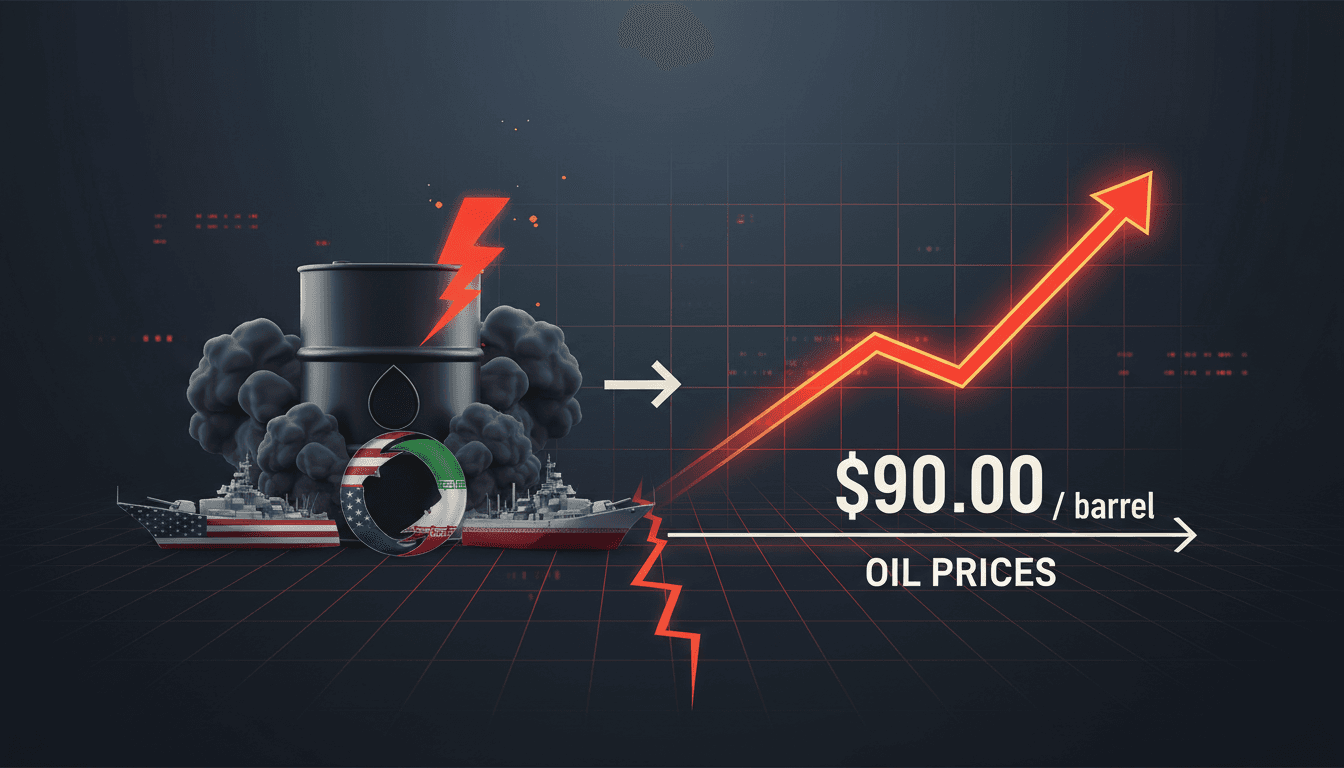
Oil prices have risen significantly, approaching $90 per barrel, primarily due to fears of supply disruptions linked to U.S.-Iran relations. This increase follows recent maritime attacks and a lack of clarity regarding negotiations between the two nations. Brent crude oil prices reached approximately $89.96 per barrel, marking a notable rise in the market.
Concerns have been heightened by President Trump's demands for compensation from Iran, complicating the already tense negotiations. Additionally, recent attacks on vessels in the region have exacerbated fears of instability in oil supply, prompting a significant market reaction.
The Context
The Strait of Hormuz is a critical shipping route for oil, and any disruptions here can have far-reaching consequences for global oil supply. Average oil exports through this vital passage have decreased from 4.4 million barrels per day to 3 million barrels per day, highlighting the growing concerns over supply stability. The recent spike in oil prices reflects the escalating tensions between the U.S. and Iran, which have been further complicated by maritime incidents.
As negotiations remain uncertain, the potential for continued volatility in oil prices looms large. Stakeholders, including governments and businesses, are closely monitoring these developments, as they could significantly impact economic conditions worldwide.
Takeaway
Looking ahead, it is essential to monitor developments in U.S.-Iran negotiations closely. Any further incidents affecting shipping in the Strait of Hormuz could lead to additional volatility in oil prices. The ongoing geopolitical tensions suggest that the market may experience sustained fluctuations, with potential implications for global economic stability.
As the situation evolves, stakeholders should remain vigilant and prepared for possible changes in the energy landscape, which could affect pricing and supply chains.
Pan-Arab news coverage spanning politics, business, sports, and regional affairs.
"Asharq Al-Awsat reflects a broad Arab editorial perspective with strong attention to regional geopolitics."
— A47 Editor
النفط يلامس 90 دولاراً مع تزايد المخاوف بشأن الإمدادات في الشرق الأوسط
Oil prices rose on Wednesday, nearing $90 per barrel, driven by uncertainties surrounding a potential agreement between the U.S. and Iran, as well as attacks targeting vessels, which have heightened concerns over supply disruptions in the Middle East...
Arabic-language coverage of international news and geopolitics.
"RT Arabic is a Russian state-funded outlet often criticized for promoting Kremlin-aligned narratives."
— A47 Editor
ارتفاع أسعار النفط مع تعثر آمال الاتفاق بين إيران والولايات المتحدة
Oil prices have risen today due to uncertainties surrounding a potential agreement between the United States and Iran, coupled with attacks targeting two vessels, which have heightened concerns about supply disruptions in the Middle East.
Arabic-language economic and business reporting with strong UAE market relevance.
"Emarat Al Youm business coverage often centers UAE property, banking, consumer issues, and economic policy."
— A47 Editor
ارتفاع أسعار النفط و"برنت" يقترب من 90 دولارا للبرميل ارتفاع أسعار النفط و"برنت" يقترب من 90 دولارا للبرميل
Oil prices have risen in early trading, with Brent crude approaching $90 per barrel, continuing its upward trend after gaining over a dollar in the previous session. This increase reflects a recovery in the oil market following recent fluctuations an...
Sports reporting with a focus on Saudi and regional competitions.
"Okaz sports coverage is broad and audience-friendly, with strong attention to Saudi teams and leagues."
— A47 Editor
النفط يعاود الصعود.. برنت إلى 90 دولاراً
Oil prices have risen by more than 2% today, reaching their highest levels since July 31, 2026, amid diminishing hopes for a U.S.-Iran agreement to resolve their conflict and reopen the Strait of Hormuz. Brent crude futures increased by 2.55% to $89....