
Oil prices rise amid Middle East supply concerns and geopolitical tensions
What happened
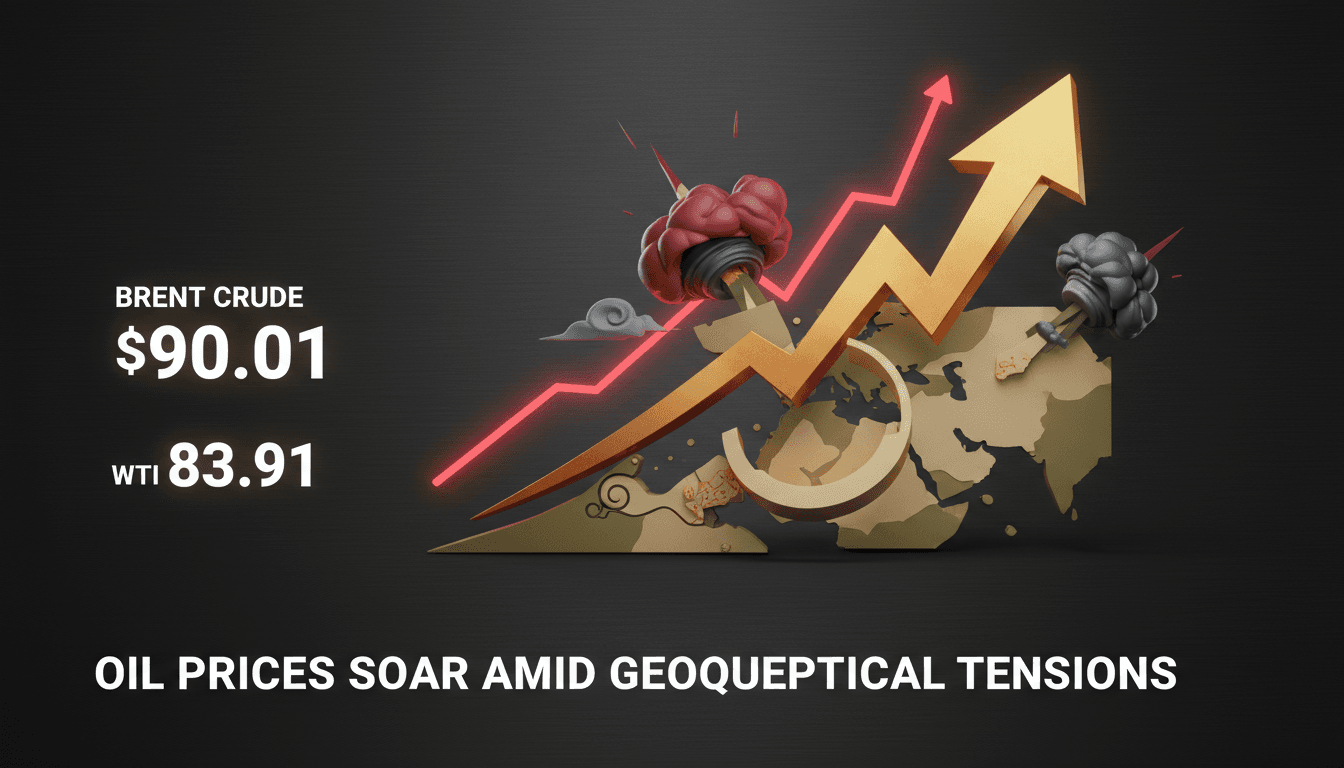
Oil prices have surged due to ongoing supply disruptions in the Middle East, with Brent crude reaching $90.01 per barrel and West Texas Intermediate at $83.91. This increase comes despite a significant rise in U.S. crude inventories, which grew by 9.1 million barrels. The market is reacting to geopolitical tensions, particularly concerning Iran's conditions for reopening the Strait of Hormuz, which adds to the uncertainty.
The rise in oil prices reflects a complex interplay of supply and demand dynamics. While the increase in U.S. inventories typically suggests a surplus that could lower prices, the geopolitical landscape has overridden these factors, leading to upward pressure on crude prices.
The Context
The current situation in the oil market is heavily influenced by geopolitical tensions in the Middle East, especially regarding the Strait of Hormuz, a critical chokepoint for global oil shipments. The increase in U.S. crude inventories, reported at 9.1 million barrels, indicates mixed demand trends that complicate the market's response. Despite this inventory increase, the market remains sensitive to potential supply disruptions.
Iran's conditions for reopening the Strait of Hormuz are pivotal, as any delays or complications could exacerbate supply concerns. The interplay of these factors creates a volatile trading environment, making it essential for traders and analysts to stay informed about developments in the region.
Takeaway
As geopolitical tensions persist and demand fluctuates, oil prices are likely to remain volatile in the near term. Traders should closely monitor developments regarding the reopening of the Strait of Hormuz, as this will significantly impact supply dynamics. Additionally, upcoming U.S. inventory reports will provide further insights into market demand and could influence price movements.
The ongoing situation underscores the importance of vigilance in the energy sector, as continued volatility may affect both businesses and consumers. Stakeholders should prepare for potential price adjustments and consider strategies to mitigate the impact of rising oil costs.
Sports reporting with a focus on Saudi and regional competitions.
"Okaz sports coverage is broad and audience-friendly, with strong attention to Saudi teams and leagues."
— A47 Editor
توتر الإمدادات يرفع أسعار النفط رغم تخمة المخزون الأمريكي
Oil prices have risen amid renewed concerns over supply disruptions in the Middle East, despite a significant increase in U.S. crude inventories. Brent crude gained $1.10 to reach $90.01 per barrel, while West Texas Intermediate rose by 71 cents to $...
Jordanian news and regional updates.
"Roya News is a Jordanian outlet focused on breaking news and local affairs."
— A47 Editor
أسعار النفط تسجل 89.73 دولارا للبرميل وسط مكاسب جديدة
Oil prices have risen to $89.73 per barrel in live trading, reflecting a new growth trend in the market. This increase in Brent crude oil contracts indicates a positive shift in the energy sector, driven by various market dynamics.
Arabic-language coverage of Saudi, regional, and international affairs.
"Al Bilad offers mainstream Saudi newspaper coverage across domestic and broader Arab topics."
— A47 Editor
صعود أسعار النفط وهبوط الذهب
Oil prices have risen as uncertainty continues regarding the reopening of the Strait of Hormuz, with Iran stating that the United States must meet several conditions, even as Tehran and Muscat approach the final stages of an agreement on new maritime...