
US government refunds over $100 billion in tariffs following Supreme Court ruling
What happened
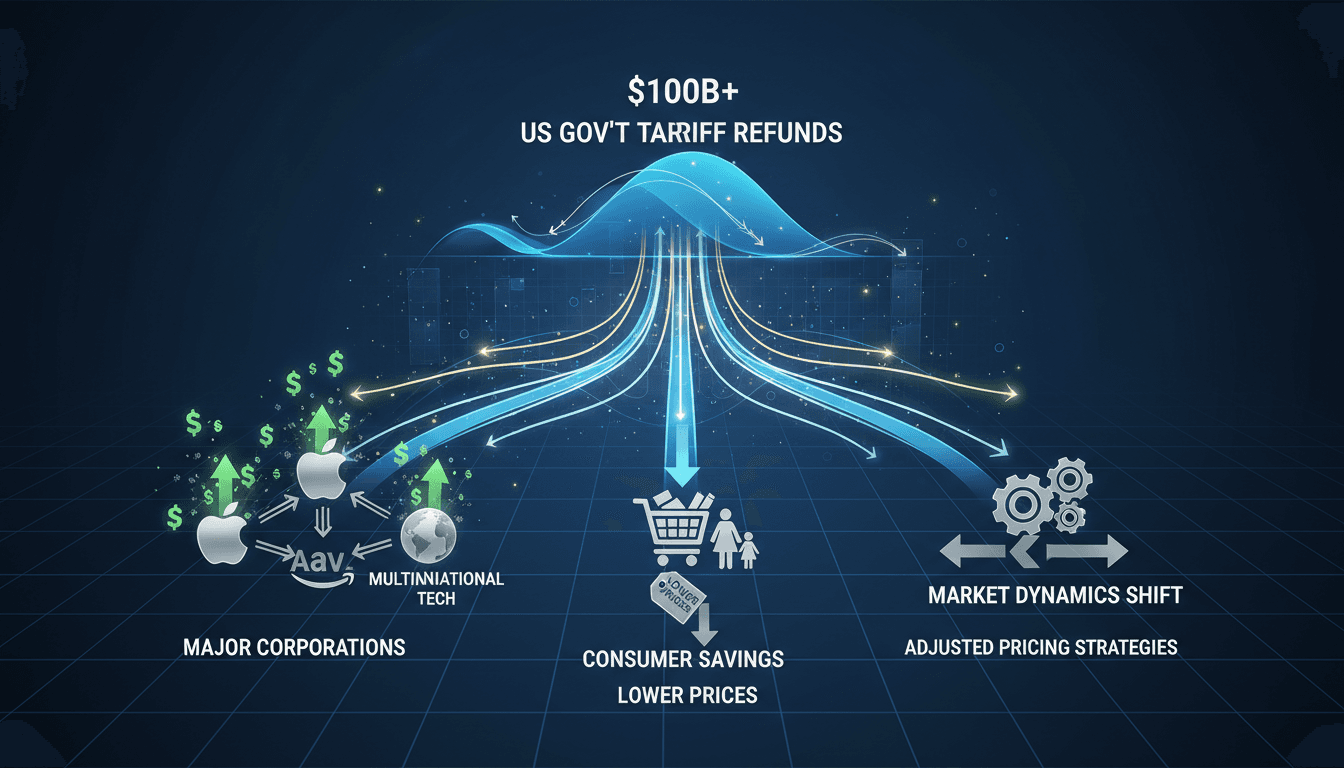
The U.S. government has begun refunding tariffs after the Supreme Court invalidated former President Trump's emergency tariffs. In July alone, the government refunded $33.4 billion, contributing to a total exceeding $100 billion since the ruling. Major tech companies, including Apple, received significant refunds, with Apple alone benefiting from $2.2 billion.
Other companies, such as Amazon, also received substantial refunds, amounting to $640 million. Additionally, logistics companies like FedEx, UPS, and DHL are directly refunding tariffs to consumers, further amplifying the financial relief.
The Context
The Supreme Court's decision earlier this year marked a pivotal moment in U.S. trade policy, striking down tariffs that had been a hallmark of the previous administration. The ruling has led to a wave of refunds, particularly benefiting tech hardware companies that faced increased costs due to the tariffs. This financial relief is crucial for businesses that had to navigate the burdensome tariffs imposed during Trump's presidency.
The timing of these refunds is significant, as they come at a moment when companies are reassessing their pricing strategies in light of the newfound financial flexibility. The potential for lower consumer prices could reshape purchasing behaviors and market competition.
Takeaway
As companies adjust to the tariff refunds, it will be essential to monitor how their pricing strategies evolve in the coming months. The refunds may lead to a shift in market dynamics, with businesses potentially passing savings onto consumers. Observing these changes will provide insight into the broader economic impact of the Supreme Court's ruling.
Additionally, stakeholders should keep an eye on any potential legislative changes regarding tariffs that could arise as a response to this ruling. The landscape of U.S. trade policy may continue to evolve, influencing both businesses and consumers alike.
Curated tech headlines including AI stories.
"Influential aggregator surfacing the day’s top tech/AI links."
— A47 Editor
Tech hardware companies report the highest US CBP tariff refunds at $2.5B across six companies, including $2.2B in refunds to Apple alone; Amazon received $640M (Wall Street Journal)
Tech hardware companies have reported a total of $2.5 billion in tariff refunds from U.S. Customs and Border Protection (CBP), with Apple receiving $2.2 billion and Amazon $640 million. This significant financial relief comes as companies navigate th...
Global business headlines with AI angles.
"General business outlet that frequently covers AI."
— A47 Editor
U.S. Sends Back $33.4 Billion in Tariffs in July. Refunds Now Top $100 Billion.
The U.S. government refunded $33.4 billion in tariffs to businesses in July, bringing the total repayments to over $100 billion since the Supreme Court invalidated President Donald Trump's extensive emergency tariffs earlier this year. This significa...
Corporate leadership, finance, technology, and market trends.
"Fortune covers financial trends, leadership, and innovation with a pragmatic editorial approach."
— A47 Editor
Trump’s tariff was a $1,000 tax on you last year. This year, maybe you’ll get a small refund in your bank account
Following a court ruling that struck down Trump's import taxes, FedEx, UPS, and DHL are now refunding tariffs directly to consumers, potentially reversing a $1,000 tax burden from last year. Retailers, however, are more inclined to reduce prices rath...