
OPEC Revises Oil Demand Forecasts for 2026 and 2027
What happened
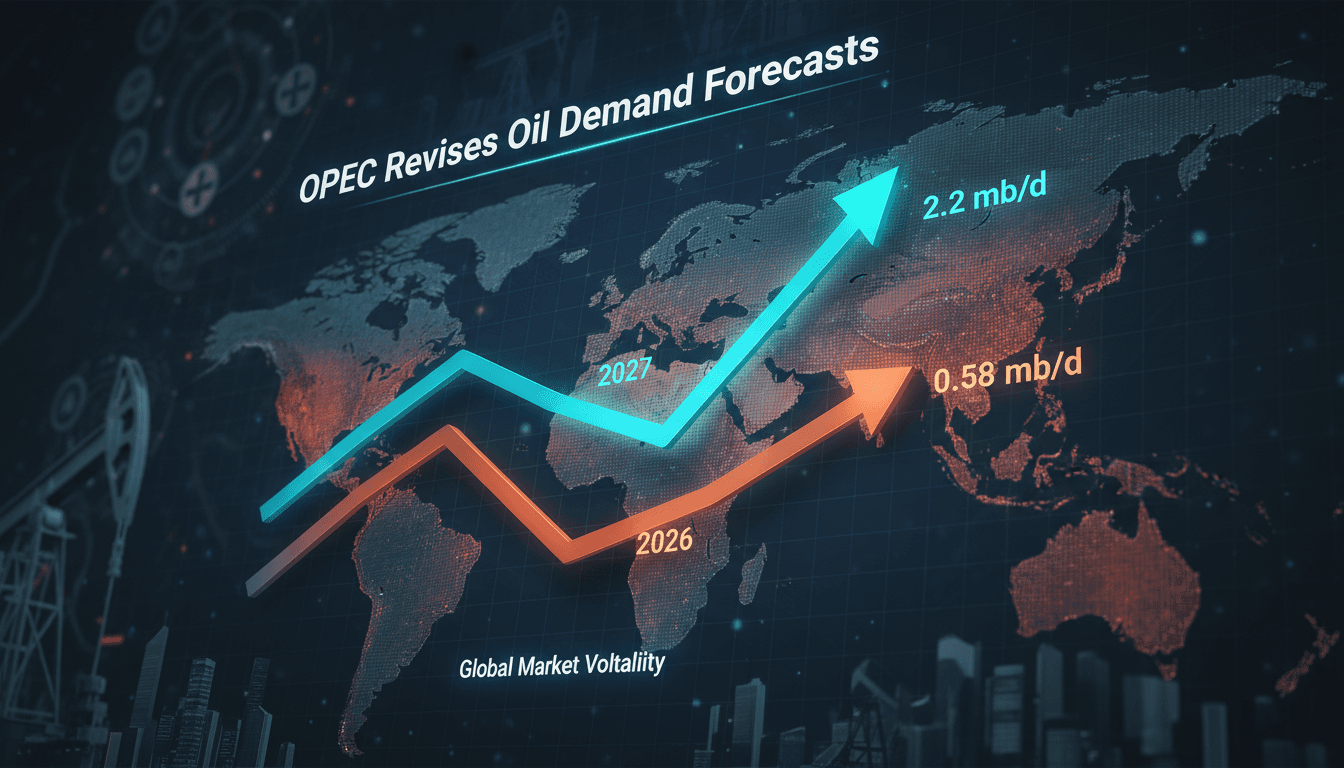
OPEC has revised its oil demand growth forecast for 2027, increasing it to 2.2 million barrels per day, up from a previous estimate of 1 million barrels per day. Simultaneously, the organization has cut its 2026 forecast to 580,000 barrels per day, marking the fourth consecutive reduction for that year. This adjustment reflects OPEC's response to ongoing geopolitical tensions and the rising cost of fuel.
The announcement indicates a complex landscape for global oil demand, with contrasting expectations for the near future. The International Energy Agency (IEA) has also projected a larger decline in oil demand for 2026 than OPEC's revised figures.
The Context
The adjustments made by OPEC come amid a backdrop of fluctuating oil prices and geopolitical instability, particularly in the Middle East. Rising fuel prices are expected to continue exerting pressure on global oil consumption, influencing both demand and supply dynamics. The IEA's forecast of a 1.6 million barrels per day decline in 2026 further complicates the outlook for the oil market.
As OPEC navigates these challenges, its forecasts may remain volatile, reflecting the organization's sensitivity to external factors. Stakeholders, including oil producers and consumers, must consider these dynamics when planning for the future.
Takeaway
Looking ahead, it is crucial to monitor how geopolitical events, especially in the Middle East, will affect oil supply and demand. OPEC's forecasts may continue to evolve as market conditions change, necessitating close attention from industry participants. Further adjustments from both OPEC and the IEA could provide additional insights into the trajectory of global oil consumption.
The ongoing uncertainties in the oil market highlight the importance of adaptability for stakeholders. As external factors continue to influence demand trends, the implications for pricing and policy will be significant.
Pan-Arab news coverage spanning politics, business, sports, and regional affairs.
"Asharq Al-Awsat reflects a broad Arab editorial perspective with strong attention to regional geopolitics."
— A47 Editor
«أوبك» متفائلة بنمو الطلب على النفط في 2027
The Organization of the Petroleum Exporting Countries (OPEC) has raised its forecast for global oil demand growth in 2027 to approximately 2.2 million barrels per day, an increase from its previous estimate of 1 million barrels per day. This adjustme...
Sports reporting with a focus on Saudi and regional competitions.
"Okaz sports coverage is broad and audience-friendly, with strong attention to Saudi teams and leagues."
— A47 Editor
ما توقعات «أوبك» لنمو الطلب على النفط؟
OPEC has reduced its forecast for global oil demand growth in 2026 to 580,000 barrels per day, marking the fourth consecutive decrease in these projections. The organization has, however, raised its expectations for oil demand growth in 2027, as indi...
Arabic-language coverage of international news and geopolitics.
"RT Arabic is a Russian state-funded outlet often criticized for promoting Kremlin-aligned narratives."
— A47 Editor
"أوبك" تخفض توقعاتها لنمو الطلب العالمي على النفط في 2026
OPEC has revised its forecast for global oil demand growth in 2026, lowering it to approximately 580,000 barrels per day, marking the fourth consecutive downward adjustment. This change reflects ongoing challenges in the oil market and shifting consu...