
Romania shuts down Cernavodă nuclear power plant amid severe drought
Here's what it means for you.
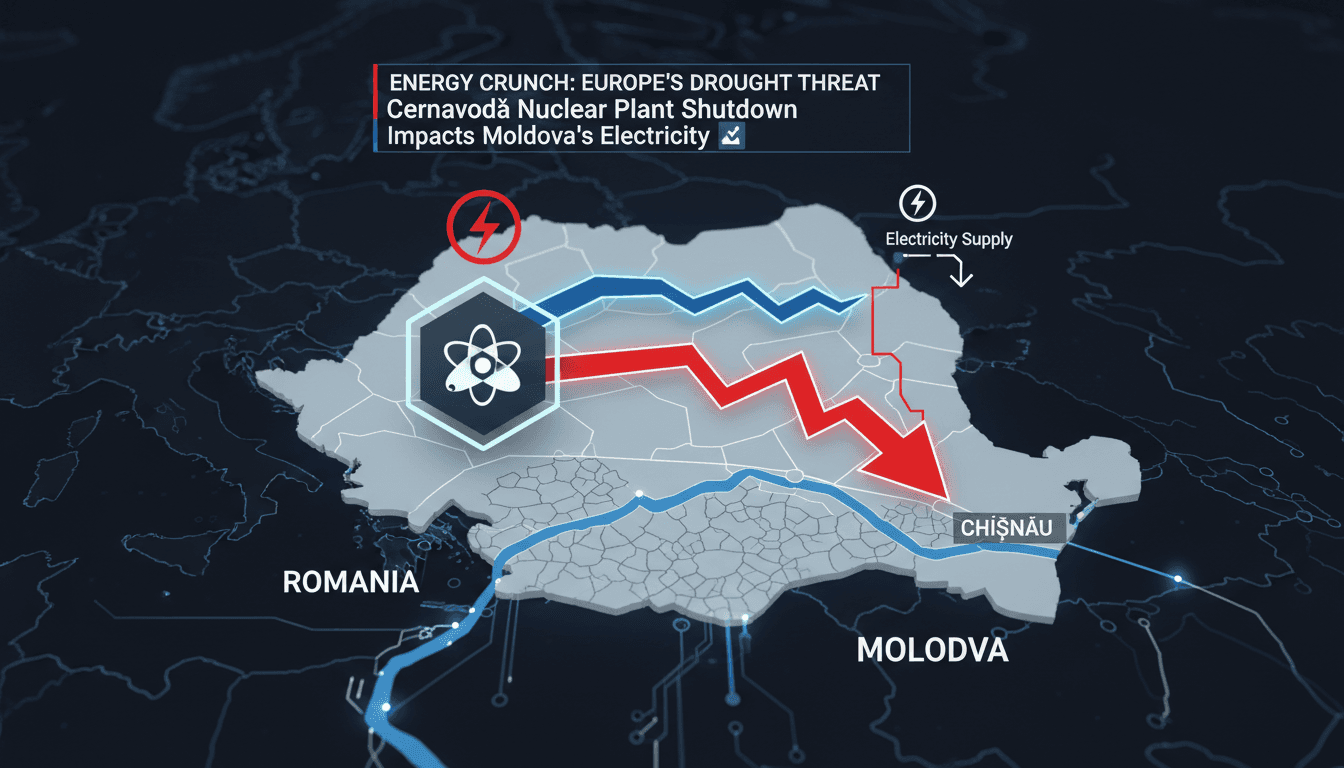
The shutdown of Romania's Cernavodă nuclear power plant signals a critical moment for energy security in the region. As the only nuclear facility in Romania, its closure could lead to significant electricity shortages, particularly for neighboring Moldova, which heavily relies on Romanian power. This event underscores the urgent need for robust energy policies and infrastructure resilience in the face of extreme weather conditions. The implications extend beyond immediate electricity supply concerns, as this situation may prompt broader discussions about energy diversification and sustainability across Europe. Stakeholders must now navigate the challenges posed by climate change and its impact on energy generation.
What happened
Romania has officially shut down its Cernavodă nuclear power plant due to severe drought conditions affecting the Danube River. This decision comes as water levels in the river have reached record lows, making it impossible for the plant to operate effectively. The shutdown is expected to last at least ten days, during which time the facility will not contribute to the national electricity supply.
Cernavodă typically generates about 20% of Romania's electricity, making its closure a significant event for the country's energy landscape. The immediate repercussions are particularly concerning for Moldova, which depends on Romanian electricity to meet its energy needs.
The Context
The Cernavodă plant plays a crucial role in Romania's energy infrastructure, providing a substantial portion of the country's electricity. Its shutdown raises alarms about potential energy shortages, especially as neighboring Moldova relies heavily on this power source. The ongoing heatwaves and drought conditions across Europe have exacerbated the situation, highlighting the vulnerability of energy supplies in the region.
As the energy crisis unfolds, stakeholders, including government officials and energy providers, will need to assess the long-term implications of this event. The current circumstances may lead to urgent discussions regarding energy policy and the need for infrastructure improvements to withstand extreme weather events in the future.
Takeaway
The shutdown of the Cernavodă nuclear power plant is a pivotal moment that could deepen the energy crisis in Europe. Observers should closely monitor the impact of this closure on Moldova's electricity supply and any potential government responses to mitigate the situation. The ongoing heatwaves and drought conditions may prompt further scrutiny of energy policies across the region.
As the situation develops, it will be essential for stakeholders to consider strategies that enhance energy resilience and reduce reliance on single sources of power. The unfolding events may serve as a catalyst for broader changes in energy infrastructure and policy across Europe.
International coverage from The Guardian's global desks.
"The Guardian is known for its progressive editorial stance and in-depth analysis."
— A47 Editor
Romania shuts its last nuclear reactor as drought-hit Danube river drops to record low
Romania has shut down its last operational nuclear reactor at the Cernavoda plant due to record-low water levels in the Danube River, which are critical for cooling the facility. This unprecedented move comes amid severe drought conditions affecting ...
Reports on climate change, environmental science, sustainability, and nature.
"BBC News is widely regarded as a reputable international news organization, known for its impartial tone and public service mandate."
— A47 Editor
Romania shuts only nuclear plant as heat causes huge drop in Danube River level
Romania has shut down its only nuclear power plant, the Cernavodă facility, due to critically low water levels in the Danube River, which are essential for cooling operations. This shutdown is not expected to be reversed within the next ten days, sig...
International coverage of politics, culture, and current affairs.
"BBC News is widely regarded as a reputable international news organization, known for its impartial tone and public service mandate."
— A47 Editor
Romania shuts only nuclear plant as heat causes huge drop in Danube River level
Romania has shut down its only nuclear power plant, the Cernavodă facility, due to critically low water levels in the Danube River, which are essential for cooling operations. This shutdown is not expected to be reversed within the next ten days, sig...
Global news coverage with extensive reporting on Middle Eastern conflicts and geopolitics.
"Al Jazeera is a Qatar-based broadcaster known for wide regional coverage and alternative perspectives."
— A47 Editor
Falling Danube flow forces shutdown of Romania’s sole nuclear plant
Romania's sole nuclear power plant has been shut down due to critically low water levels in the Danube River, which typically provides cooling water essential for its operations. This decision comes amid ongoing drought conditions affecting the regio...
Comprehensive coverage of Middle Eastern and global issues.
"Al Jazeera is a prominent voice from the Global South, especially the Middle East, with an emphasis on underreported stories."
— A47 Editor
Falling Danube flow forces shutdown of Romania’s sole nuclear plant
Romania's sole nuclear power plant has been shut down due to critically low water levels in the Danube River, which typically provides cooling water essential for its operations. This decision comes amid ongoing drought conditions affecting the regio...