
Oil prices surge following failed negotiations to reopen the Strait of Hormuz
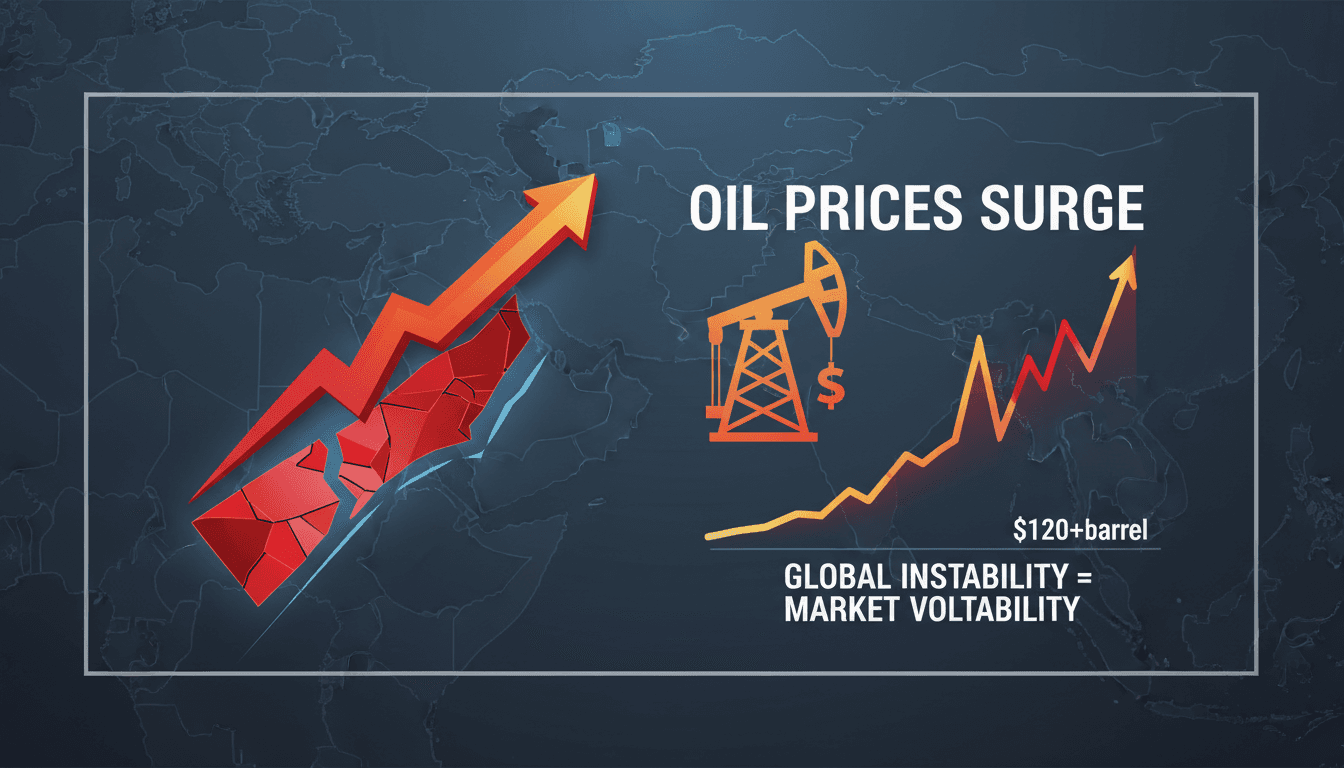
Here's what it means for you.
The collapse of negotiations to reopen the Strait of Hormuz has triggered a significant rise in oil prices, which will likely impact consumers directly through increased gasoline costs. As tensions escalate in the region, energy markets are reacting with heightened volatility, raising concerns about future supply stability. This situation underscores the interconnectedness of geopolitical events and everyday consumer prices. Consumers in the U.S. should prepare for potential fluctuations in gasoline prices as the market adjusts to these developments. The ongoing instability suggests that the energy sector will remain under pressure, affecting both traders and everyday drivers.
What happened
Negotiations aimed at reopening the Strait of Hormuz have failed, leading to a notable spike in oil prices. This escalation follows a series of violent incidents in the region, which have raised alarms in energy markets. As a result, oil prices have surged by more than $5 a barrel, directly impacting gasoline prices for consumers in the U.S.
The Strait of Hormuz is a crucial chokepoint for global oil shipments, making its stability vital for energy supply chains. The recent collapse of talks has intensified concerns about the security of oil transport routes, further exacerbating market volatility.
The Context
The Strait of Hormuz is essential for the transportation of a significant portion of the world's oil, making any disruption a matter of global concern. Recent attacks on tankers and energy infrastructure have heightened fears of instability, prompting traders to closely monitor the situation. The U.S. gasoline market is already feeling the effects, with prices rising as a direct consequence of fluctuating oil costs.
The geopolitical landscape surrounding the Strait involves multiple stakeholders, including the U.S. and Iran, whose negotiations have now stalled. The timing of these events is critical, as they coincide with broader global energy demands and supply chain challenges.
Takeaway
The ongoing instability in the Strait of Hormuz suggests that oil prices may continue to experience volatility in the near future. Traders and consumers alike should remain vigilant as further developments unfold, particularly regarding any renewed negotiations between the U.S. and Iran. The potential for continued violence in the region could further impact global oil supply and prices.
As the situation evolves, it will be essential to monitor how these dynamics affect both the energy market and consumer behavior in the U.S. The implications of this crisis extend beyond immediate price increases, potentially reshaping energy policy and market strategies.
Stock market news, investing ideas, and trading analysis.
"TheStreet provides market news and retail-investor-focused analysis."
— A47 Editor
Oil markets look calm on top, but underneath shows a big toll
Oil prices have surged over $5 a barrel following the collapse of a potential agreement between the United States and Iran to reopen the Strait of Hormuz, a vital passage for global oil transport. This increase has also pushed U.S. gasoline prices hi...
Global markets, investing, and macroeconomics from a premier financial newsroom.
"Bloomberg is respected for in-depth financial reporting and data-driven analysis."
— A47 Editor
Latest Oil Market News and Analysis for Aug. 14
Oil prices have continued to decline as traders remain cautious amid ongoing negotiations aimed at potentially reopening the Strait of Hormuz, a crucial passage for global oil transport. Recent attacks on tankers and energy infrastructure have furthe...
Global markets, investing, and macroeconomics from a premier financial newsroom.
"Bloomberg is respected for in-depth financial reporting and data-driven analysis."
— A47 Editor
Latest Oil Market News and Analysis for Aug. 13
Oil prices have retained a significant portion of their six-session gain as traders remain vigilant for developments regarding the reopening of the Strait of Hormuz, a crucial passage for global oil transport. The ongoing geopolitical tensions and ne...
Markets desk coverage, trading insights, and investor updates.
"WSJ’s markets reporting provides in-depth analysis and context for investors."
— A47 Editor
Oil Futures Little Changed as Talks Appear at Standstill
Oil futures ended little changed amid cautious trading, with market participants closely monitoring the ongoing tensions in the Strait of Hormuz, a critical route for global oil transport. The lack of progress in diplomatic talks has contributed to t...
Global news coverage with extensive reporting on Middle Eastern conflicts and geopolitics.
"Al Jazeera is a Qatar-based broadcaster known for wide regional coverage and alternative perspectives."
— A47 Editor
Oil prices rise as attacks dent hopes for Strait of Hormuz reopening
Oil prices have risen as renewed violence in the region has diminished hopes for the reopening of the Strait of Hormuz, a critical maritime route for global oil shipments. Brent crude prices have climbed amid ongoing tensions between Iran and the Uni...
Comprehensive coverage of Middle Eastern and global issues.
"Al Jazeera is a prominent voice from the Global South, especially the Middle East, with an emphasis on underreported stories."
— A47 Editor
Oil prices rise as attacks dent hopes for Strait of Hormuz reopening
Oil prices have risen as renewed violence in the region has diminished hopes for the reopening of the Strait of Hormuz, a critical maritime route for global oil shipments. Brent crude prices have climbed amid ongoing tensions between Iran and the Uni...