
Gulf Producers Continue Clandestine Oil Shipments Amid Strait of Hormuz Disruptions
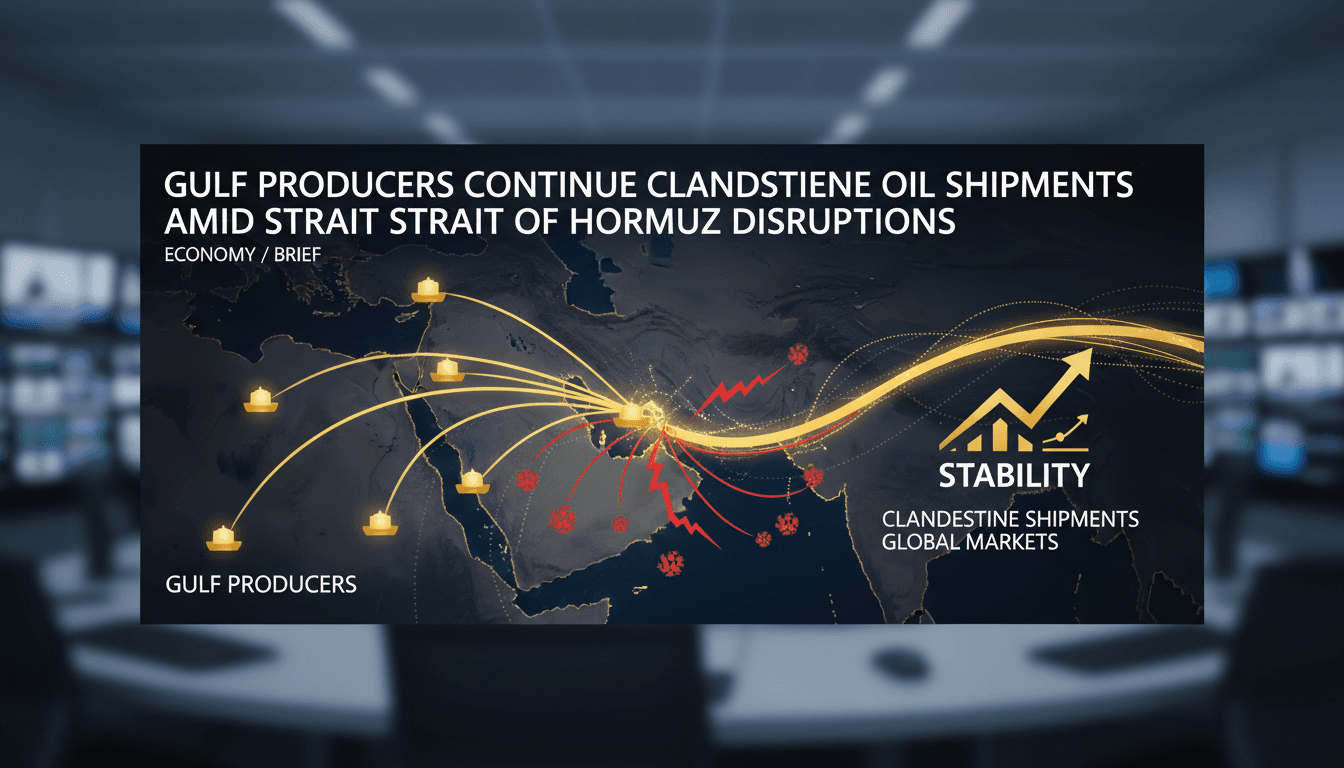
Here's what it means for you.
The ongoing clandestine oil shipments by Gulf producers highlight the fragility of global oil supply chains amid rising geopolitical tensions. As only a handful of vessels manage to navigate the critical Strait of Hormuz, the covert methods employed by these producers are essential for stabilizing oil prices. This situation underscores the importance of monitoring developments in the region, as any escalation could significantly impact energy markets. The ability of Gulf nations to transport oil discreetly may mitigate potential price shocks, but the underlying risks remain. Stakeholders in the energy sector should remain vigilant as the dynamics in the Strait of Hormuz evolve.
What happened
Oil trade through the Strait of Hormuz has faced significant disruptions, with only five ships successfully navigating the strait recently. This critical chokepoint for global oil shipments has seen a marked decline in traffic due to rising tensions in the region. Intelligence reports indicate that these disruptions have prompted Gulf producers to adopt covert methods for transporting crude oil.
To avoid detection, these producers are reportedly turning off transponders on their vessels. This clandestine approach has allowed them to continue operations while stabilizing oil prices amidst growing concerns about supply disruptions. The situation remains precarious, with ongoing risks of conflict in the area.
The Context
The Strait of Hormuz is a vital route for oil shipments, making its stability crucial for global energy markets. Recent geopolitical tensions have raised alarms about potential supply disruptions, prompting Gulf nations to take action to protect their interests. The fact that only five ships managed to pass through the strait over the weekend underscores the severity of the current situation.
As these tensions persist, the ability of Gulf producers to maintain oil shipments through undisclosed channels becomes increasingly important. The ongoing clandestine operations are likely to play a critical role in preventing price shocks in the energy sector. Stakeholders must remain aware of the implications of these developments on global oil supply and pricing.
Takeaway
The ongoing clandestine oil trade may continue to mitigate price shocks in the energy sector despite geopolitical tensions. Monitoring developments in the Strait of Hormuz will be essential for understanding potential impacts on global oil prices. Any changes in military or diplomatic actions in the region could significantly affect oil transport and market stability.
As the situation evolves, the effectiveness of Gulf producers' covert methods will be crucial in maintaining market equilibrium. Stakeholders should prepare for potential fluctuations in oil prices as the geopolitical landscape continues to shift.
Global business headlines with AI angles.
"General business outlet that frequently covers AI."
— A47 Editor
Traffic Through The Strait Of Hormuz Has Practically Ground To a Halt. Oil Is Edging Up.
Traffic through the Strait of Hormuz has significantly declined, with only five ships transiting the vital waterway over the weekend, according to intelligence firm Kpler. This marks a stark reduction in maritime activity amid ongoing tensions betwee...
RT is a Russian state-funded network covering global events from a Russian perspective.
"RT is widely criticized for promoting pro-Kremlin narratives and is considered by many to be a state propaganda outlet."
— A47 Editor
‘Dark’ oil trade still flowing despite Hormuz disruption – Bloomberg
Despite ongoing disruptions in the Strait of Hormuz due to escalating tensions between the U.S. and Iran, Gulf producers are reportedly continuing to transport crude oil using tankers with transponders turned off. This 'dark' oil trade highlights the...
Arabic-language coverage of international news and geopolitics.
"RT Arabic is a Russian state-funded outlet often criticized for promoting Kremlin-aligned narratives."
— A47 Editor
"بلومبرغ": تدفقات نفطية خفية عبر هرمز تكبح أسعار الخام
Despite the risks of war with Iran, Gulf countries continue to transport significant amounts of oil through the Strait of Hormuz in undisclosed flows, which have helped to curb rising prices and alleviate inflationary shock concerns in the energy sec...