
Israel's War Costs Estimated at 420 Billion Shekels with Long-Term Defense Spending Projections of 1.5 Trillion Shekels
Why it matters
The staggering costs of the war may reshape economic priorities and defense strategies worldwide.
What happened (in 30 seconds)
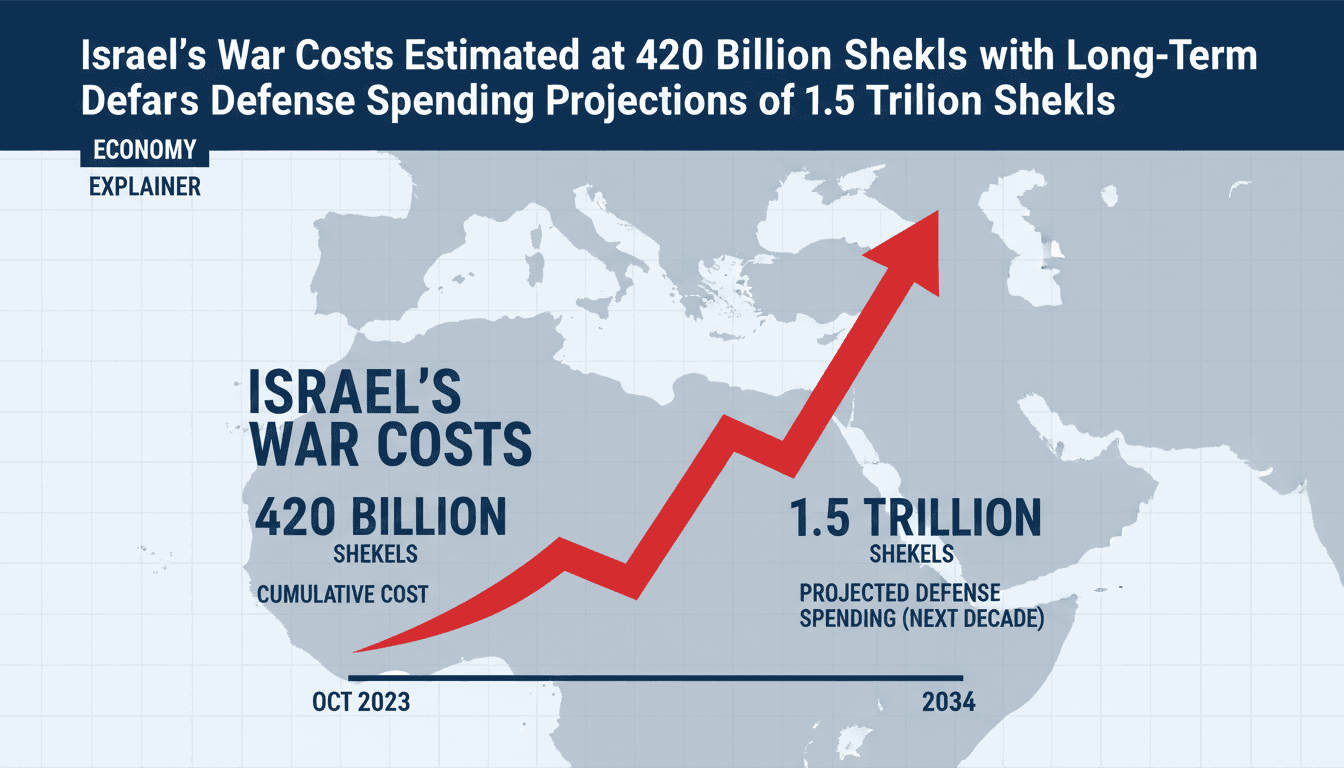
- Haaretz estimates the cumulative cost of Israel's war at approximately 420 billion shekels ($142 billion) as of August 2026.
- Projected defense expenditures are expected to reach 1.5 trillion shekels over the next decade, significantly impacting public debt.
- The conflict, which began on October 7, 2023, is characterized as Israel's longest and most expensive military engagement.
The context you actually need
- The war commenced following Hamas attacks, leading to prolonged military operations in Gaza and escalations involving Lebanon and Iran.
- Traditional Israeli defense doctrine emphasized short conflicts to minimize economic disruption, but the current situation has strained this approach.
- Resilience in the economy has been attributed to the tech sector, defense industries, and approximately $20 billion in direct U.S. support.
What's really happening
The ongoing conflict in Israel has led to unprecedented financial burdens that are reshaping the nation's economic landscape. As of August 2026, Haaretz reports that the cumulative costs of the war have reached approximately 420 billion shekels ($142 billion). This figure includes direct military expenditures and an additional 400 billion shekels added to public debt, indicating a significant strain on the Israeli economy.
The war's duration has deviated from Israel's traditional short-war doctrine, which was designed to minimize economic disruption and maintain a robust reserve force. The prolonged military engagement has raised concerns about the sustainability of this approach, particularly as reserve personnel face mounting pressures. The Israeli government is now contemplating broader conscription measures, including the Haredi communities, to bolster its military capabilities.
Despite these challenges, the Israeli economy has shown resilience, largely due to its advanced technology sector and substantial U.S. aid. The U.S. has provided around $20 billion in direct support, which has helped cushion the economic impact of the conflict. However, this reliance on external aid raises questions about the long-term viability of Israel's defense strategy and its implications for national security.
Looking ahead, the projected defense expenditures are alarming, with estimates suggesting they could reach 1.5 trillion shekels over the next decade. This escalation in spending is likely to lead to increased public debt and could necessitate shifts in government priorities, potentially affecting social services and infrastructure investments. The analysis warns that the financial burden of the war will not only impact current military operations but will also have long-lasting effects on Israel's fiscal health.
As the conflict continues, the Israeli government faces a critical juncture. The reliance on U.S. diplomatic intervention rather than pursuing independent ceasefires may lead to further entrenchment in military operations, complicating the path to peace. The upcoming elections could also shift the burden distribution, influencing how the public perceives the costs of the war and the government's handling of the situation.
Who feels it first (and how)
- Israeli citizens: Increased taxes or reduced public services due to rising public debt.
- Defense contractors: Potential for increased contracts and revenue from government spending on military operations.
- U.S. taxpayers: Ongoing financial support to Israel may impact U.S. budget allocations and foreign aid priorities.
What to watch next
- Public debt levels: Monitoring how Israel manages its rising debt will indicate the sustainability of its economic model.
- Defense spending trends: Watch for shifts in government priorities regarding military versus social spending in the upcoming budget cycles.
- Political shifts: Upcoming elections may alter the government's approach to the conflict and its financial implications.
The cumulative cost of the war is approximately 420 billion shekels.
Defense expenditures will escalate to 1.5 trillion shekels over the next decade.
The long-term economic impact on Israeli citizens and potential shifts in U.S. foreign aid.
Frequently Asked Questions
- Why it matters?
- The staggering costs of the war may reshape economic priorities and defense strategies worldwide.
- What happened (in 30 seconds)?
- Haaretz estimates the cumulative cost of Israel's war at approximately 420 billion shekels ($142 billion) as of August 2026. Projected defense expenditures are expected to reach 1.5 trillion shekels over the next decade, significantly impacting public debt. The conflict, which began on October 7, 2023, is characterized as Israel's longest and most expensive military engagement.
- What's really happening?
- The ongoing conflict in Israel has led to unprecedented financial burdens that are reshaping the nation's economic landscape. As of August 2026, Haaretz reports that the cumulative costs of the war have reached approximately 420 billion shekels ($142 billion). This figure includes direct military expenditures and an additional 400 billion shekels added to public debt, indicating a significant strain on the Israeli economy. The war's duration has deviated from Israel's traditional short-war doc
- Who feels it first (and how)?
- Israeli citizens: Increased taxes or reduced public services due to rising public debt. Defense contractors: Potential for increased contracts and revenue from government spending on military operations. U.S. taxpayers: Ongoing financial support to Israel may impact U.S. budget allocations and foreign aid priorities.
- What to watch next?
- Public debt levels: Monitoring how Israel manages its rising debt will indicate the sustainability of its economic model. Defense spending trends: Watch for shifts in government priorities regarding military versus social spending in the upcoming budget cycles. Political shifts: Upcoming elections may alter the government's approach to the conflict and its financial implications.
Jordanian news and regional updates.
"Roya News is a Jordanian outlet focused on breaking news and local affairs."
— A47 Editor
هآرتس تقدّر كلفة الحرب بـ 420 مليار شيكل ونفقات دفاعية تصل لـ 1.5 تريليون
The Hebrew newspaper Haaretz has warned that the cost of the ongoing war is estimated at 420 billion shekels, with defense expenditures potentially reaching 1.5 trillion shekels. This alarming financial forecast highlights the significant economic st...
Pan-Arab news coverage spanning politics, business, sports, and regional affairs.
"Asharq Al-Awsat reflects a broad Arab editorial perspective with strong attention to regional geopolitics."
— A47 Editor
الحرب تكلف إسرائيل 140 مليار دولار
Since October 7, 2023, the ongoing conflict involving Israel has incurred costs amounting to approximately 420 billion shekels, equivalent to 140 billion dollars. This significant financial burden reflects the extensive resources being allocated to t...
Pan-Arab political news and analysis.
"Al-Quds Al-Arabi is a London-based Arabic newspaper known for political coverage."
— A47 Editor
420 مليار شيكل تكلفة الحرب منذ “7 أكتوبر”: هل ستكون سهماً مرتداً علينا؟
The ongoing conflict that began on October 7 has incurred costs amounting to approximately 420 billion shekels, with long-lasting repercussions expected. The financial burden of security expenses is projected to reach 1.5 trillion shekels over the ne...