
Federal Reserve Minutes Indicate Growing Support for Interest Rate Hikes Amid Ongoing Inflation Concerns
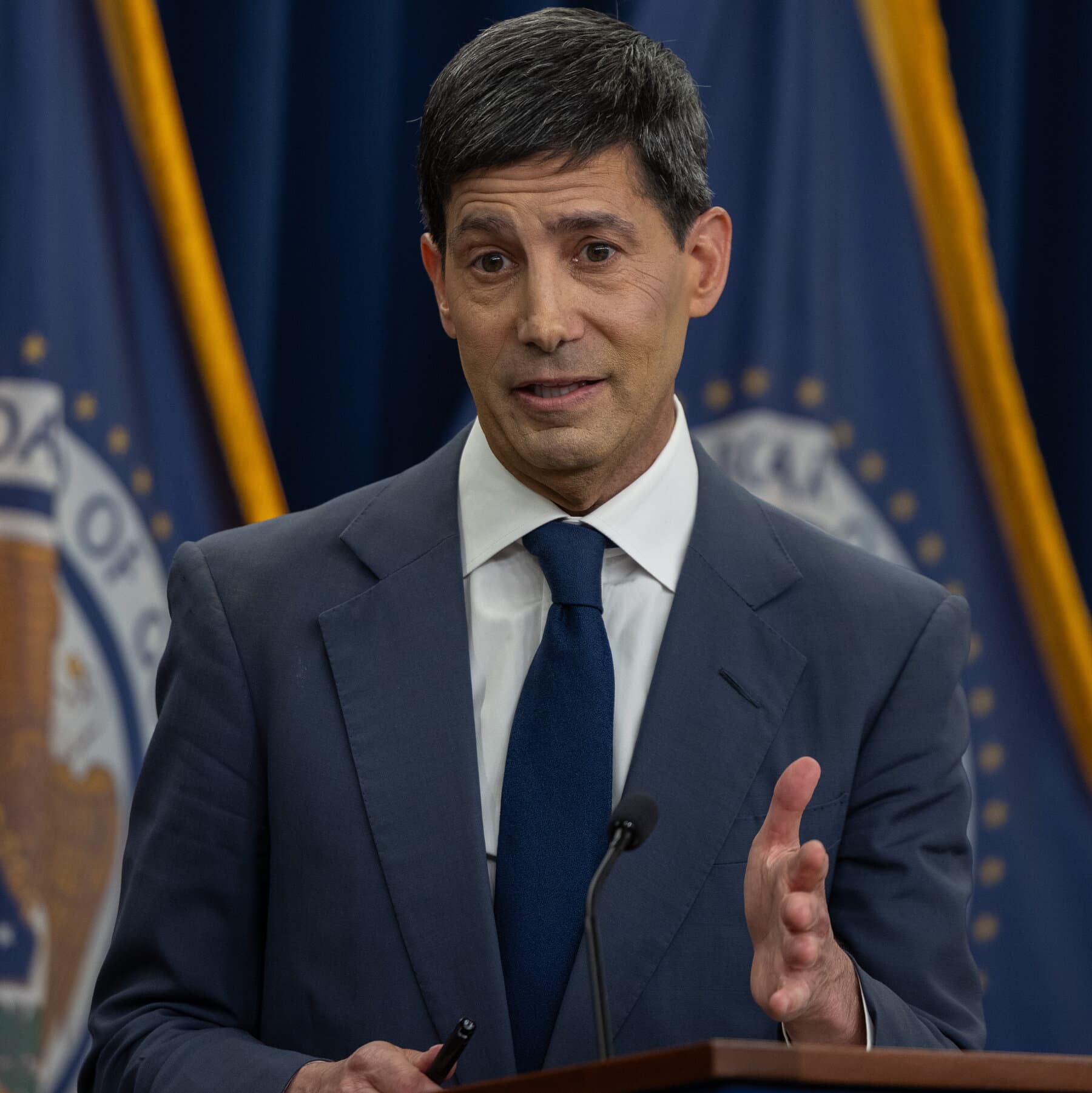
Here's what it means for you.
If you’re navigating investments or loans, the Fed's potential rate hikes could impact your financial decisions.
Why it matters
The Federal Reserve's discussions on interest rates directly influence borrowing costs and economic growth.
What happened (in 30 seconds)
- Minutes released: The Federal Reserve's July 2026 FOMC meeting minutes were published on August 19, revealing a split among policymakers.
- Vote tally: A 9-3 vote maintained the federal funds rate at 3.50%-3.75%, with three officials dissenting for a rate hike.
- Inflation concerns: Persistent inflation above the 2% target, driven by geopolitical tensions and tariffs, prompted discussions of tightening monetary policy.
The context you actually need
- Inflation history: Inflation has exceeded the Fed's 2% target for five consecutive years, influenced by external factors like the Iran conflict and AI investments.
- Leadership change: Kevin M. Warsh became Fed Chairman in May 2026, focusing on restoring price stability amid rising inflation.
- Market reactions: The minutes led to a reassessment of near-term rate expectations, with analysts noting a higher probability of hikes if inflation persists.
What's really happening
The July 2026 FOMC meeting minutes reveal a growing impatience among Federal Reserve policymakers regarding persistent inflation. The 9-3 vote to maintain the federal funds rate at 3.50%-3.75% marks a significant moment, as it is the first time since 2016 that three officials have dissented in favor of a rate hike. This dissent reflects a broader concern that current monetary policy may not be sufficiently restrictive to combat inflation effectively.
The inflationary pressures are not merely a domestic issue; they are compounded by global factors, including the ongoing conflict in Iran, which has led to energy price shocks, and the expansive capital expenditures driven by advancements in artificial intelligence. These elements have created a complex economic landscape where the Fed must navigate between fostering growth and controlling inflation.
Chairman Warsh emphasized the importance of price stability but refrained from committing to immediate tightening measures. This cautious approach suggests that while there is recognition of the need for action, the Fed is also weighing the potential consequences of such actions on economic growth. Most FOMC members anticipate some easing in inflation pressures in the latter half of 2026 as the effects of tariffs and energy prices stabilize. However, the risks remain skewed upward due to uncertainties in the Middle East and the ongoing demand for AI-driven investments.
The minutes indicate that several participants believe that tightening monetary policy now could prevent the need for more aggressive actions later. This sentiment underscores a critical balancing act for the Fed: acting decisively to curb inflation without stifling economic recovery. The implications of these discussions extend beyond the U.S. economy, as elevated inflation and potential rate hikes could influence global capital flows and energy markets, particularly affecting regions like Dubai, which serves as a major energy hub and financial center.
Who feels it first (and how)
- Investors: Increased borrowing costs could affect stock and bond markets, influencing investment strategies.
- Homebuyers: Higher interest rates may lead to increased mortgage rates, impacting housing affordability.
- Businesses: Companies reliant on loans for expansion may face higher costs, affecting growth plans.
- Consumers: Rising rates could lead to higher prices for goods and services, impacting purchasing power.
What to watch next
- Inflation data: Continued monitoring of inflation rates will be crucial; persistent inflation could trigger rate hikes.
- FOMC statements: Future communications from the Fed will provide insights into their policy direction and economic outlook.
- Global economic indicators: Geopolitical developments, particularly in the Middle East, could influence energy prices and inflationary pressures.
Inflation has exceeded the Fed's target for five years.
Increased probability of rate hikes if inflation persists.
The exact timing and magnitude of future rate adjustments.
Frequently Asked Questions
- Why it matters?
- The Federal Reserve's discussions on interest rates directly influence borrowing costs and economic growth.
- What happened (in 30 seconds)?
- Minutes released: The Federal Reserve's July 2026 FOMC meeting minutes were published on August 19, revealing a split among policymakers. Vote tally: A 9-3 vote maintained the federal funds rate at 3.50%-3.75%, with three officials dissenting for a rate hike. Inflation concerns: Persistent inflation above the 2% target, driven by geopolitical tensions and tariffs, prompted discussions of tightening monetary policy.
- What's really happening?
- The July 2026 FOMC meeting minutes reveal a growing impatience among Federal Reserve policymakers regarding persistent inflation. The 9-3 vote to maintain the federal funds rate at 3.50%-3.75% marks a significant moment, as it is the first time since 2016 that three officials have dissented in favor of a rate hike. This dissent reflects a broader concern that current monetary policy may not be sufficiently restrictive to combat inflation effectively. The inflationary pressures are not merely a
- Who feels it first (and how)?
- Investors: Increased borrowing costs could affect stock and bond markets, influencing investment strategies. Homebuyers: Higher interest rates may lead to increased mortgage rates, impacting housing affordability. Businesses: Companies reliant on loans for expansion may face higher costs, affecting growth plans. Consumers: Rising rates could lead to higher prices for goods and services, impacting purchasing power.
- What to watch next?
- Inflation data: Continued monitoring of inflation rates will be crucial; persistent inflation could trigger rate hikes. FOMC statements: Future communications from the Fed will provide insights into their policy direction and economic outlook. Global economic indicators: Geopolitical developments, particularly in the Middle East, could influence energy prices and inflationary pressures.
Markets, economy, and company analysis from NYT’s business desk.
"The New York Times is a globally recognized newspaper offering authoritative reporting with a center-left editorial stance."
— A47 Editor
More Fed Officials Lost Patience About Elevated Inflation at Latest Meeting
The Federal Reserve's recent meeting minutes revealed a growing consensus among officials for increasing interest rates to combat persistent inflation, with Chairman Kevin M. Warsh prioritizing this issue.
Corporate leadership, finance, technology, and market trends.
"Fortune covers financial trends, leadership, and innovation with a pragmatic editorial approach."
— A47 Editor
Bond traders are testing Kevin Warsh: The Fed chair will heed—but not be ruled by—them, says an economist who spent years sitting next to him
Kevin Warsh, the newly appointed chair of the U.S. Federal Reserve, is navigating the complexities of bond trading and monetary policy, emphasizing a broader perspective in decision-making, which some market participants find frustrating.
English-language digital publication covering business, politics, technology, and current affairs.
"The Arabian Post mixes original and syndicated-style coverage with a broad regional and global business-news orientation."
— A47 Editor
Warsh Fed will do nothing to derail rally in US bank shares
The Warsh Fed's stance is unlikely to disrupt the ongoing rally in US bank shares, as analysts maintain a positive outlook on the financial sector. This sentiment is bolstered by strong earnings reports from major banks, which have contributed to a f...