
U.S. Treasury Secretary's Debt Buyback Plan Fails to Stabilize Markets
Why it matters
The U.S. Treasury's actions reflect broader fiscal challenges that could influence global market stability and investor confidence.
What happened (in 30 seconds)
- On August 21, 2026, Treasury Secretary Scott Bessent announced an expanded buyback plan for longer-dated government debt.
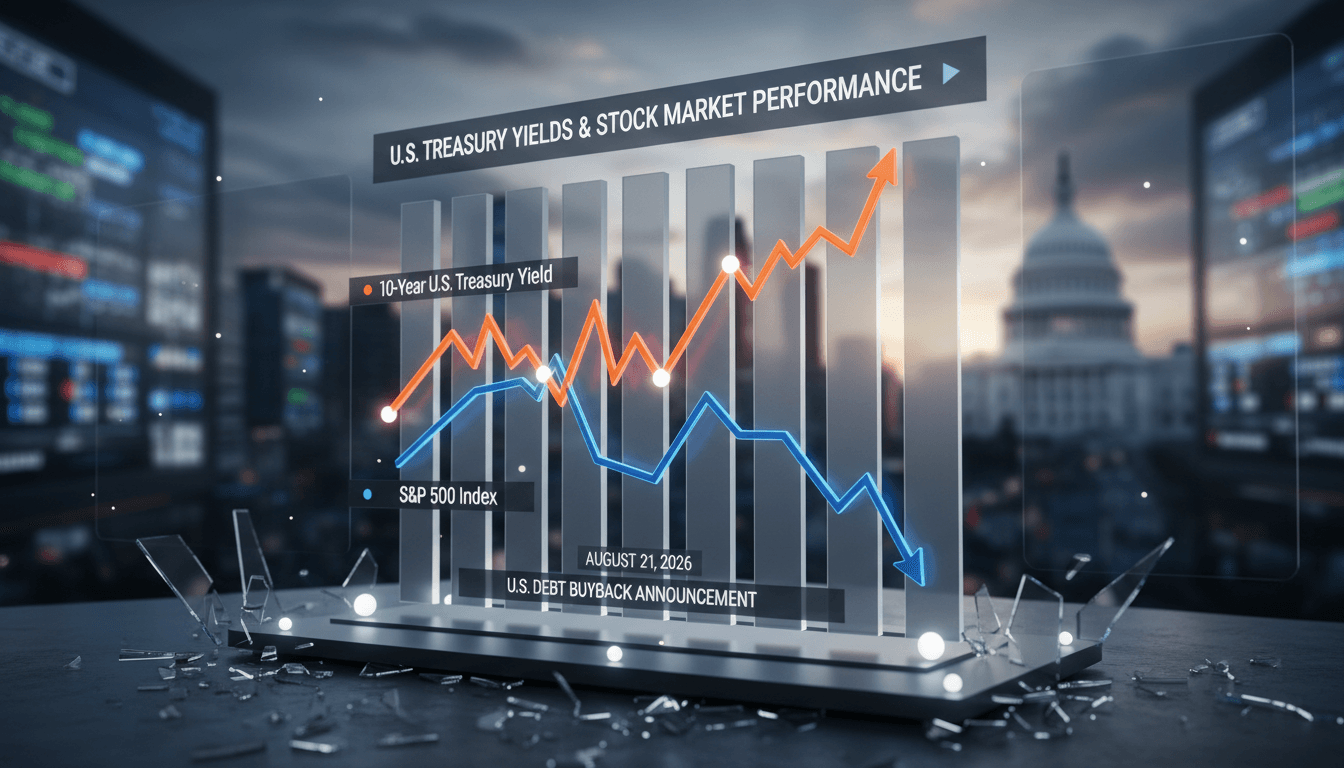
- Investor sentiment declined, leading to a selloff in major U.S. equity indices despite initial optimism about the buyback.
- Yields on Treasuries rebounded, indicating limited effectiveness of the liquidity support in a strained fiscal environment.
The context you actually need
- U.S. national debt has surpassed $40 trillion, necessitating increased federal borrowing and raising concerns about fiscal sustainability.
- Geopolitical tensions, particularly related to Iran, have contributed to market volatility and higher borrowing costs, complicating the Treasury's efforts.
- Annual interest payments on the national debt are projected to exceed $1 trillion, putting additional pressure on fiscal policy and investor confidence.
What's really happening
The announcement by Treasury Secretary Scott Bessent to enhance the buyback plan for longer-dated Treasuries was intended to provide liquidity and stabilize rising yields. However, the market's reaction suggests a deeper skepticism about the effectiveness of such measures in the current fiscal climate.
The U.S. Treasury had previously set a buyback ceiling of $2 billion per issue, which was deemed insufficient given the escalating national debt. By increasing this limit to a minimum of $4 billion, the Treasury aimed to attract more buyers for securities that have seen dwindling interest since late June. Despite this, the announcement failed to reassure investors, leading to a decline in major equity indices on August 21, 2026.
The backdrop of rising long-term Treasury yields is critical to understanding this situation. As the national debt continues to grow, the government faces increasing borrowing costs, which can lead to higher yields on Treasuries. This creates a vicious cycle where rising yields can deter investment in government securities, further exacerbating fiscal challenges. The market's initial optimism about the buyback plan quickly dissipated as investors recognized that the scale of the buybacks might not be sufficient to counteract the broader economic pressures at play.
Moreover, geopolitical factors, particularly tensions with Iran, have added to market volatility, making investors wary of government debt. The projected annual interest payments exceeding $1 trillion highlight the unsustainable nature of current fiscal policies, raising questions about the long-term viability of such measures. Analysts have pointed out that without significant structural reforms, liquidity support measures like buybacks may only provide temporary relief.
In summary, while the Treasury's buyback plan aims to stabilize the market, the underlying fiscal realities and investor sentiment suggest that the challenges facing the U.S. economy are far from resolved.
Who feels it first (and how)
- Equity investors: Those holding stocks in major indices may see declines in portfolio value due to market selloffs.
- Bondholders: Investors in U.S. Treasuries may experience fluctuations in bond prices as yields adjust.
- Financial institutions: Banks and investment firms that rely on stable government securities for liquidity may face increased volatility.
- Taxpayers: Rising national debt and interest payments could lead to future tax increases or reduced government services.
What to watch next
- Upcoming buyback operations: Scheduled to begin on September 9, 2026, these operations will be critical in assessing market reactions and liquidity.
- Interest rate trends: Watch for changes in Federal Reserve policy that could influence borrowing costs and investor sentiment.
- Geopolitical developments: Ongoing tensions, particularly in the Middle East, could further impact market stability and investor confidence.
The U.S. national debt exceeds $40 trillion, and annual interest payments are projected to surpass $1 trillion.
Continued volatility in equity and bond markets as investors react to fiscal policies and geopolitical tensions.
The long-term effectiveness of the Treasury's buyback plan in stabilizing yields and restoring investor confidence.
Frequently Asked Questions
- Why it matters?
- The U.S. Treasury's actions reflect broader fiscal challenges that could influence global market stability and investor confidence.
- What happened (in 30 seconds)?
- On August 21, 2026, Treasury Secretary Scott Bessent announced an expanded buyback plan for longer-dated government debt. Investor sentiment declined, leading to a selloff in major U.S. equity indices despite initial optimism about the buyback. Yields on Treasuries rebounded, indicating limited effectiveness of the liquidity support in a strained fiscal environment.
- What's really happening?
- The announcement by Treasury Secretary Scott Bessent to enhance the buyback plan for longer-dated Treasuries was intended to provide liquidity and stabilize rising yields. However, the market's reaction suggests a deeper skepticism about the effectiveness of such measures in the current fiscal climate. The U.S. Treasury had previously set a buyback ceiling of $2 billion per issue, which was deemed insufficient given the escalating national debt. By increasing this limit to a minimum of $4 bill
- Who feels it first (and how)?
- Equity investors: Those holding stocks in major indices may see declines in portfolio value due to market selloffs. Bondholders: Investors in U.S. Treasuries may experience fluctuations in bond prices as yields adjust. Financial institutions: Banks and investment firms that rely on stable government securities for liquidity may face increased volatility. Taxpayers: Rising national debt and interest payments could lead to future tax increases or reduced government services.
- What to watch next?
- Upcoming buyback operations: Scheduled to begin on September 9, 2026, these operations will be critical in assessing market reactions and liquidity. Interest rate trends: Watch for changes in Federal Reserve policy that could influence borrowing costs and investor sentiment. Geopolitical developments: Ongoing tensions, particularly in the Middle East, could further impact market stability and investor confidence.
Global business headlines with AI angles.
"General business outlet that frequently covers AI."
— A47 Editor
Bessent's Plan To Increase The Amount Spent On Buybacks Of U.S. Debt Didn't Reassure Investors. Stocks Dropped.
Scott Bessent announced plans to increase the buyback of U.S. government debt, suggesting that the amount could exceed the previously stated $4 billion. However, this announcement did not alleviate investor concerns, leading to a decline in stock pri...
Macro commentary, policy analysis, growth/inflation themes, and global outlooks.
"Contextual macro coverage that complements day-to-day market headlines."
— A47 Editor
Bessent says may raise bond buyback beyond $4 billion
U.S. Treasury Secretary Scott Bessent has indicated a potential increase in bond buybacks beyond the current minimum of $4 billion, a move aimed at addressing rising yields that have raised concerns about government borrowing costs. This decision ref...
UAE-based English-language newspaper covering regional politics, economics, and global affairs.
"The National reflects Emirati policy perspectives while maintaining international editorial standards."
— A47 Editor
Manus on Markets: Will Bessent's bond buybacks work?
The article discusses the potential effectiveness of bond buybacks initiated by Bessent, focusing on market reactions and implications for investment strategies. The analysis highlights the current economic climate and investor sentiment towards such...