
Gold Prices Near Two-Month Highs Following US Treasury Buyback Expansion
Here's what it means for you.
If you're investing in gold or precious metals, recent market shifts could impact your portfolio and purchasing decisions.
Why it matters
Gold's price movements reflect broader economic conditions, influencing investment strategies and consumer behavior globally.
What happened (in 30 seconds)
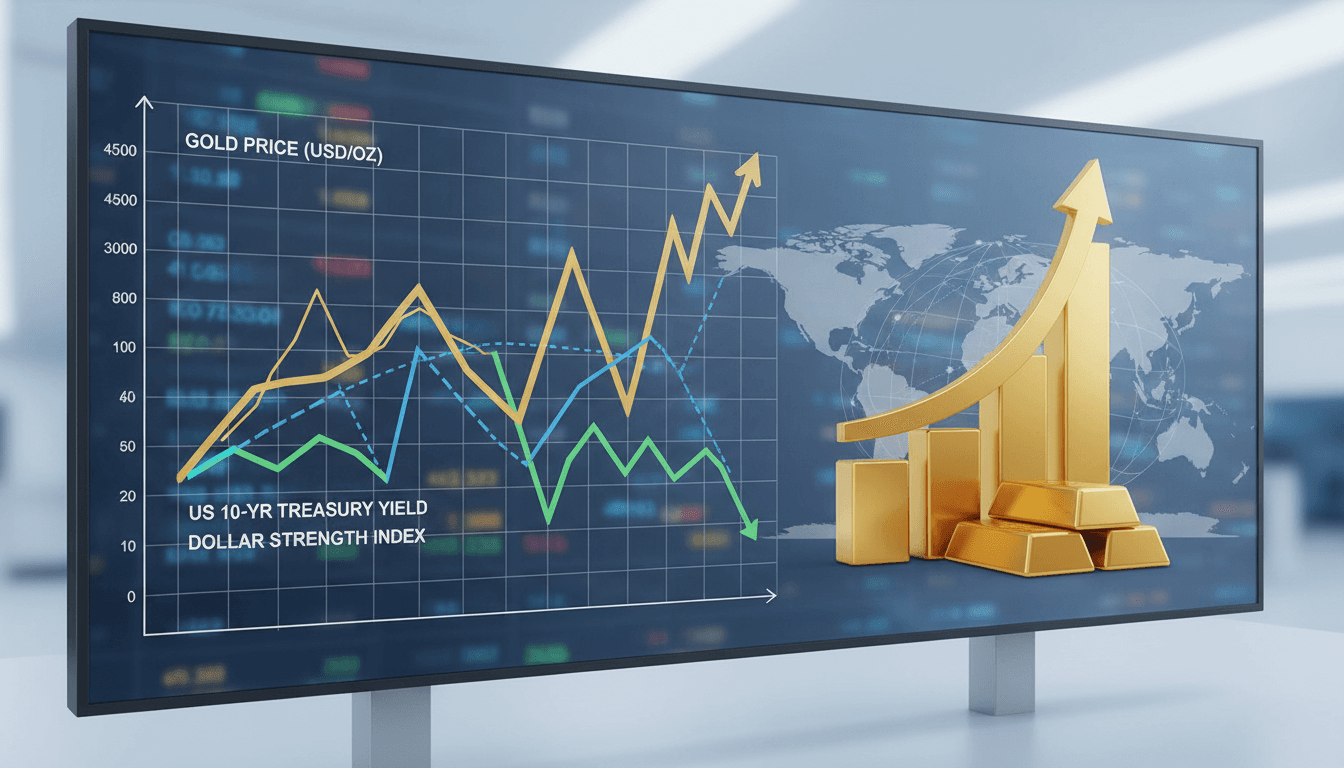
- Gold prices surged to near two-month highs, reaching around $4,500 per ounce, following a US Treasury announcement.
- The US Treasury expanded liquidity-support buyback operations for long-dated securities, leading to lower yields and a weaker dollar.
- Central bank purchases and safe-haven demand continued to support gold prices despite ongoing Federal Reserve concerns about inflation.
The context you actually need
- US government debt surpassed $40 trillion, raising fiscal concerns and impacting market confidence.
- Gold had previously dipped below $4,000 per ounce earlier in the summer due to mixed economic signals and geopolitical risks.
- The Federal Reserve's stance on inflation remains cautious, with traders anticipating limited near-term rate cuts.
What's really happening
On August 19, 2026, the US Treasury announced a significant expansion of its liquidity-support buyback operations for longer-dated securities, effectively doubling the size of these interventions. This move was designed to stabilize the market amid rising concerns over the US government's escalating debt, which recently exceeded $40 trillion. The immediate effect was a sharp decline in US Treasury yields, which fell as investors anticipated increased liquidity in the market. Lower yields typically make non-yielding assets like gold more attractive, as the opportunity cost of holding gold decreases.
As a result, gold prices surged more than 4% in a single day, reaching levels not seen since early June. On August 20, gold prices consolidated near these highs, with minor corrections as traders adjusted to the new market dynamics. The weaker dollar, a direct consequence of the Treasury's actions, further supported gold prices, as commodities priced in dollars become cheaper for foreign investors.
Additionally, central banks around the world have been increasing their gold purchases, viewing it as a safe-haven asset amid economic uncertainty. This structural demand from central banks, combined with renewed interest from individual investors seeking to hedge against inflation and currency fluctuations, has created a robust support system for gold prices.
Despite the bullish sentiment, the Federal Reserve's ongoing vigilance regarding inflation adds a layer of complexity. The Fed's recent minutes indicated a commitment to monitoring inflation closely, which could lead to future interest rate adjustments. Traders are currently pricing in a 67% probability that rates will remain unchanged in September, reflecting a cautious approach to monetary policy.
In summary, the interplay between US Treasury actions, central bank strategies, and investor sentiment is driving gold prices higher. As the market digests these developments, the implications for both investors and consumers will continue to unfold.
Who feels it first (and how)
- Investors in precious metals: Increased gold prices may lead to higher returns on investments.
- Jewelry buyers in Dubai: Elevated gold prices could raise costs for jewelry purchases, impacting consumer spending.
- Central banks globally: Continued accumulation of gold may influence monetary policy and currency stability.
What to watch next
- Federal Reserve policy signals: Any changes in interest rates or inflation outlooks could significantly impact gold prices.
- US Treasury yield movements: Further adjustments in Treasury yields will likely affect the attractiveness of gold as an investment.
- Central bank gold purchases: Monitoring the pace of gold accumulation by central banks can provide insights into future demand dynamics.
Gold prices are currently elevated due to US Treasury buyback operations and lower yields.
Continued central bank purchases will support gold prices in the near term.
The long-term impact of Federal Reserve policy on gold prices remains uncertain.
Frequently Asked Questions
- Why it matters?
- Gold's price movements reflect broader economic conditions, influencing investment strategies and consumer behavior globally.
- What happened (in 30 seconds)?
- Gold prices surged to near two-month highs, reaching around $4,500 per ounce, following a US Treasury announcement. The US Treasury expanded liquidity-support buyback operations for long-dated securities, leading to lower yields and a weaker dollar. Central bank purchases and safe-haven demand continued to support gold prices despite ongoing Federal Reserve concerns about inflation.
- What's really happening?
- On August 19, 2026, the US Treasury announced a significant expansion of its liquidity-support buyback operations for longer-dated securities, effectively doubling the size of these interventions. This move was designed to stabilize the market amid rising concerns over the US government's escalating debt, which recently exceeded $40 trillion. The immediate effect was a sharp decline in US Treasury yields, which fell as investors anticipated increased liquidity in the market. Lower yields typical
- Who feels it first (and how)?
- Investors in precious metals: Increased gold prices may lead to higher returns on investments. Jewelry buyers in Dubai: Elevated gold prices could raise costs for jewelry purchases, impacting consumer spending. Central banks globally: Continued accumulation of gold may influence monetary policy and currency stability.
- What to watch next?
- Federal Reserve policy signals: Any changes in interest rates or inflation outlooks could significantly impact gold prices. US Treasury yield movements: Further adjustments in Treasury yields will likely affect the attractiveness of gold as an investment. Central bank gold purchases: Monitoring the pace of gold accumulation by central banks can provide insights into future demand dynamics.
Jordanian news and regional updates.
"Roya News is a Jordanian outlet focused on breaking news and local affairs."
— A47 Editor
الذهب يحافظ على مستوياته القياسية قرب أعلى قيمة في شهرين مدعوماً بتراجع عوائد الخزانة الأمريكية
Gold prices have maintained their record levels, nearing a two-month high, supported by a decline in U.S. Treasury yields. This trend indicates a strong demand for gold as a safe-haven asset amidst fluctuating economic conditions.
Arabic-language economic and business reporting with strong UAE market relevance.
"Emarat Al Youm business coverage often centers UAE property, banking, consumer issues, and economic policy."
— A47 Editor
الذهب يواصل مكاسبه والدولار قرب أدنى مستوياته الذهب يواصل مكاسبه والدولار قرب أدنى مستوياته
Gold prices have risen for the third consecutive session, while the dollar remains near its lowest levels in several months against most currencies. This trend indicates a strengthening demand for gold as a safe-haven asset amid fluctuating currency ...
Pan-Arab political news and analysis.
"Al-Quds Al-Arabi is a London-based Arabic newspaper known for political coverage."
— A47 Editor
الذهب يواصل مكاسبه مع تراجع المخاوف بشأن رفع الفائدة
Gold prices have risen for the third consecutive session, reaching $4,431.09 per ounce, as concerns over a potential interest rate hike by the Federal Reserve have diminished. Investors are closely monitoring the minutes from the latest Federal Reser...