
Iranian Rial Hits Record Low Amid Intensified US Sanctions
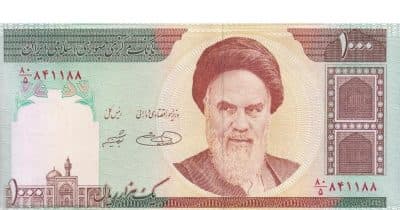
Here's what it means for you.
If you engage in international trade or finance, the Iranian rial's collapse could disrupt supply chains and increase costs.
Why it matters
The rial's depreciation signals a deepening economic crisis in Iran, affecting global markets and regional stability.
What happened (in 30 seconds)
- On August 24, 2026, the Iranian rial hit a record low of approximately 2.02 million rials per US dollar on the parallel market.
- This decline is driven by intensified US sanctions, a halted oil export economy, and soaring inflation exceeding 40%.
- Iran's Central Bank struggles with depleted foreign reserves, leading to a vicious cycle of currency devaluation.
The context you actually need
- The rial has been in decline for decades, exacerbated by the US withdrawal from the nuclear deal in 2018 and subsequent sanctions.
- The ongoing conflict that began on February 28, 2026, has severely impacted Iran's oil exports, primarily to China, further straining the economy.
- Inflation is projected to reach up to 70%, significantly affecting the cost of living for Iranian households.
What's really happening
The Iranian rial's plunge to over 2 million rials per USD is not just a number; it reflects a complex interplay of geopolitical tensions, economic mismanagement, and external pressures. The rial's depreciation accelerated sharply in 2026, with a notable drop from 1.5 million rials per dollar in late January to 2.02 million by late August. This rapid decline is largely attributed to intensified US sanctions announced by Treasury Secretary Scott Bessent, targeting critical sectors such as digital assets, technology, and shipping.
The sanctions come as part of a broader strategy by the US to exert maximum economic pressure on Iran, described as the "single greatest financial offensive" against the nation. As oil exports have effectively halted due to naval blockades and prior restrictions, Iran's economy is facing a dual crisis: a lack of foreign currency inflow and skyrocketing inflation. The Iranian Central Bank has acknowledged that some regions are experiencing zero oil export revenue, which is unprecedented and indicative of the dire economic situation.
The inflation rate, already exceeding 40%, is projected to worsen, with food prices skyrocketing—rice has increased by 60% and beef by over 150% since the onset of the conflict. This inflationary pressure is compounded by the rial's devaluation, which makes imports more expensive and further erodes purchasing power for Iranian households. The economic fallout is likely to lead to increased social unrest, although no immediate large-scale protests have been reported.
Moreover, the rial's collapse has implications beyond Iran. Dubai and UAE-based intermediaries are facing heightened scrutiny and potential secondary sanctions for facilitating trade with Iran. This scrutiny could lead to volatility in cross-border transactions, affecting regional merchants and traders. The interconnectedness of the Gulf economies means that the ripple effects of Iran's economic crisis could be felt throughout the region, impacting everything from trade agreements to investment flows.
Who feels it first (and how)
- Importers: Businesses reliant on imported goods will face skyrocketing costs, leading to higher prices for consumers.
- Middle-class households: Families will struggle with rising prices for essential goods, impacting their standard of living.
- Regional traders: Merchants in Dubai and neighboring countries may experience volatility in transactions with Iranian partners, affecting their operations.
What to watch next
- Further US sanctions: Watch for announcements regarding additional sanctions targeting Iran's economy, which could exacerbate the rial's decline.
- Inflation trends: Monitor inflation rates in Iran, particularly in food and essential goods, as they will indicate the economic strain on households.
- Social unrest indicators: Keep an eye on potential protests or civil unrest in Iran, as economic hardship could lead to increased public discontent.
The rial has reached a record low of approximately 2.02 million rials per USD.
Inflation will continue to rise, further straining Iranian households and the economy.
The long-term impact of these sanctions on Iran's geopolitical stance and regional stability remains uncertain.
Frequently Asked Questions
- Why it matters?
- The rial's depreciation signals a deepening economic crisis in Iran, affecting global markets and regional stability.
- What happened (in 30 seconds)?
- On August 24, 2026, the Iranian rial hit a record low of approximately 2.02 million rials per US dollar on the parallel market. This decline is driven by intensified US sanctions, a halted oil export economy, and soaring inflation exceeding 40%. Iran's Central Bank struggles with depleted foreign reserves, leading to a vicious cycle of currency devaluation.
- What's really happening?
- The Iranian rial's plunge to over 2 million rials per USD is not just a number; it reflects a complex interplay of geopolitical tensions, economic mismanagement, and external pressures. The rial's depreciation accelerated sharply in 2026, with a notable drop from 1.5 million rials per dollar in late January to 2.02 million by late August. This rapid decline is largely attributed to intensified US sanctions announced by Treasury Secretary Scott Bessent, targeting critical sectors such as digital
- Who feels it first (and how)?
- Importers: Businesses reliant on imported goods will face skyrocketing costs, leading to higher prices for consumers. Middle-class households: Families will struggle with rising prices for essential goods, impacting their standard of living. Regional traders: Merchants in Dubai and neighboring countries may experience volatility in transactions with Iranian partners, affecting their operations.
- What to watch next?
- Further US sanctions: Watch for announcements regarding additional sanctions targeting Iran's economy, which could exacerbate the rial's decline. Inflation trends: Monitor inflation rates in Iran, particularly in food and essential goods, as they will indicate the economic strain on households. Social unrest indicators: Keep an eye on potential protests or civil unrest in Iran, as economic hardship could lead to increased public discontent.
Conservative-leaning political and national coverage.
"The Washington Times is a conservative-leaning newspaper known for its political coverage and advocacy of right-of-center viewpoints."
— A47 Editor
Iran's rial currency hits new record low as U.S. prepares to announce more sanctions
Iran's rial currency has reached a new record low as the U.S. prepares to announce additional sanctions, further exacerbating the economic challenges faced by the nation, which is already struggling under the weight of previous sanctions and a naval ...
English-language digital publication covering business, politics, technology, and current affairs.
"The Arabian Post mixes original and syndicated-style coverage with a broad regional and global business-news orientation."
— A47 Editor
Iran rial sinks beyond two million per dollar
Iran's rial has plummeted to a record low, surpassing two million rials per US dollar, reflecting severe economic distress exacerbated by tighter sanctions, soaring inflation, and limited access to foreign currency. This significant drop occurred on ...
Business, markets, economy, and corporate news with strong UAE and regional relevance.
"Emirates 24|7 business coverage tends to center UAE markets, property, regulation, and regional economic developments."
— A47 Editor
Iran's rial sinks to record low ahead of new US sanctions
Iran's currency, the rial, has plunged to a record low of 2.02 million rials per US dollar on the informal market, driven by investor concerns over impending US sanctions aimed at intensifying economic pressure on the country. This decline follows ne...
UAE-based English-language newspaper covering regional politics, economics, and global affairs.
"The National reflects Emirati policy perspectives while maintaining international editorial standards."
— A47 Editor
Iran's currency hits record low as US prepares to hit Tehran with economic offensive
Iran's currency, the rial, has plummeted to a record low, with the US dollar exceeding 2 million rials in the open market, amid escalating tensions and impending economic sanctions from the United States. This decline reflects severe economic distres...
Regional and international reporting focused on Middle Eastern politics, diplomacy, and economics.
"Asharq Al-Awsat is a Saudi-owned international newspaper reflecting mainstream Gulf political perspectives."
— A47 Editor
Iran’s Currency Hits New Record Low as US Prepares to Announce More Sanctions
Iran's currency, the rial, has reached a new record low, with the US dollar now exceeding 2 million rials in the open market, as the United States prepares to announce further sanctions against the country. This economic downturn is attributed to ong...
Research, news, and analysis on blockchain startups, DeFi, and regulations.
"Crypto Briefing provides research, news, and analysis on blockchain startups, DeFi, and crypto regulations with investor-focused coverage."
— A47 Editor
Iran’s currency hits all-time low against dollar amid US pressure
Iran's currency, the rial, has reached an all-time low against the US dollar, driven by ongoing US sanctions and geopolitical tensions. This crisis has intensified inflation and domestic unrest, further straining Iran's economy and regional trade rel...