
Trump Announces 50% Tariffs on Canadian Automotive and Steel Imports Effective January 2027
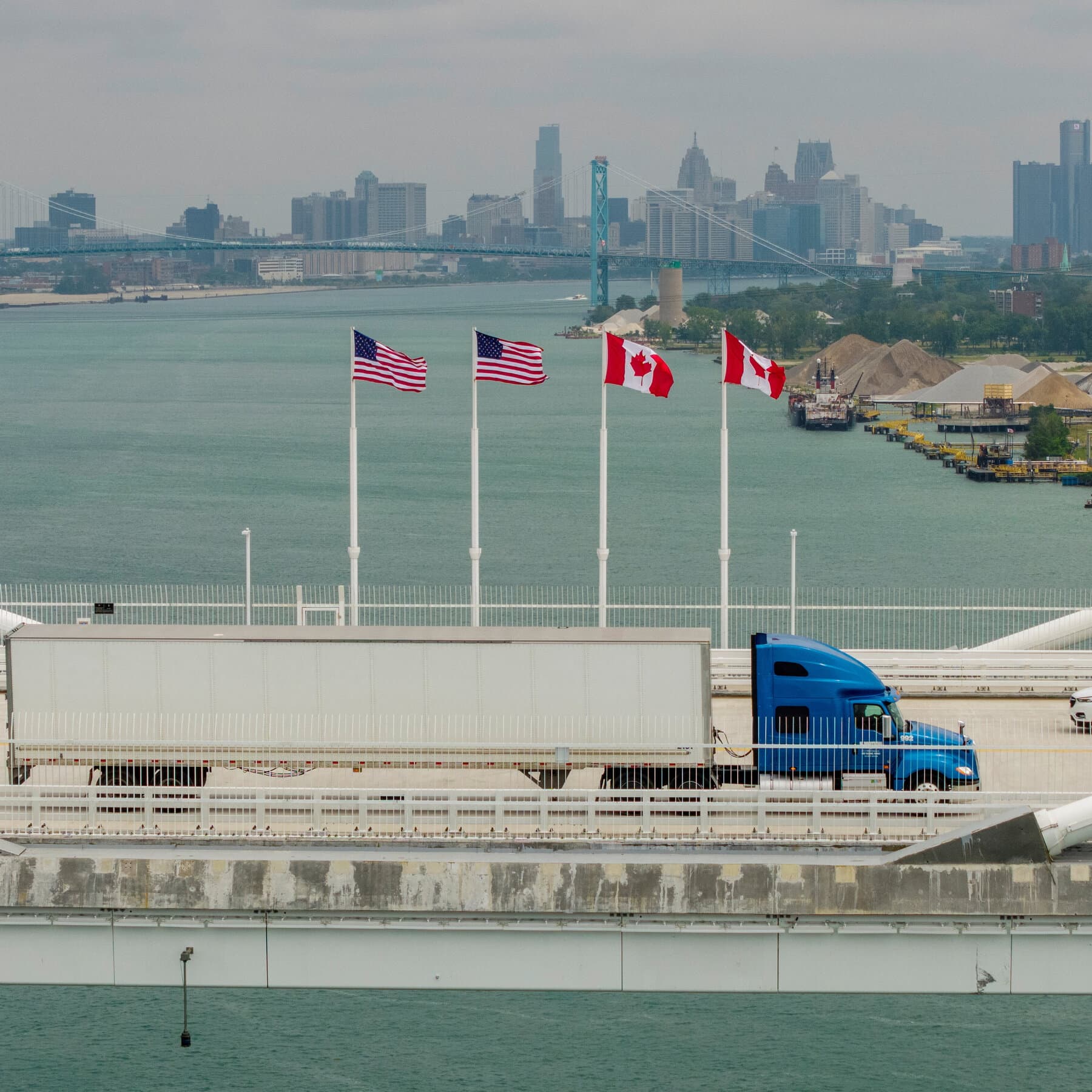
Here's what it means for you.
If you work in industries reliant on automotive or steel supply chains, prepare for potential disruptions and increased costs.
Why it matters
This escalation in trade tensions could reshape North American supply chains and impact consumer prices across various sectors.
What happened (in 30 seconds)
- On August 24, 2026, President Trump announced a plan to impose 50% tariffs on all Canadian automotive and steel imports starting January 1, 2027.
- This threat followed the collapse of trade negotiations and the imposition of 50% tariffs on approximately $20 billion in Canadian exports effective August 23, 2026.
- Canada responded by confirming retaliatory tariffs on select U.S. goods, set to begin on September 8, 2026.
The context you actually need
- Trade tensions between the U.S. and Canada have been escalating since previous tariffs were imposed on Canadian steel and aluminum under Section 232 authorities.
- Negotiations aimed at reducing tariffs collapsed due to disagreements over specific provisions, leading to immediate retaliatory measures from both sides.
- Industry representatives are concerned about the potential for significant disruptions in supply chains, particularly in the automotive sector, which relies heavily on cross-border trade.
What's really happening
The recent announcement by President Trump to impose 50% tariffs on Canadian automotive and steel imports is a culmination of ongoing trade disputes that have been brewing for years. The U.S. has previously imposed tariffs on Canadian steel and aluminum, citing national security concerns under Section 232 of the Trade Expansion Act. These tariffs have strained the relationship between the two countries, which are each other's largest trading partners.
The collapse of trade negotiations on August 22, 2026, was a pivotal moment. Disagreements over the coverage of medium- and heavy-duty trucks and other provisions led to a breakdown in talks, prompting the U.S. to impose tariffs on $20 billion worth of Canadian exports just a day later. This immediate action reflects a strategy to exert pressure on Canada, which Trump criticized as a difficult negotiating partner.
The proposed tariffs on automotive and steel imports are not just punitive; they are also strategic. By targeting these sectors, the U.S. aims to protect its domestic industries from foreign competition, particularly as the automotive market is undergoing significant changes with the rise of electric vehicles and new manufacturing technologies. However, this protectionist approach comes with risks. The automotive industry is highly integrated across North America, and tariffs could disrupt supply chains, leading to increased costs for manufacturers and consumers alike.
Canada's response, which includes retaliatory tariffs on U.S. goods such as steel, dairy, and electronics, indicates that the trade dispute is likely to escalate further. This tit-for-tat approach could lead to a prolonged trade war, affecting not only the U.S. and Canadian economies but also global markets. The interconnected nature of supply chains means that disruptions in one region can have ripple effects worldwide, potentially leading to higher prices for consumers and reduced availability of goods.
As the situation develops, industry groups are voicing concerns about the long-term implications of these tariffs. Automakers, in particular, are worried about the potential for supply chain disruptions that could hinder production and increase costs. The automotive sector is already facing challenges from the transition to electric vehicles, and additional tariffs could exacerbate these issues.
Who feels it first (and how)
- Automakers: Increased costs for parts and materials could lead to higher vehicle prices and production delays.
- Steel and aluminum producers: Domestic producers may benefit in the short term, but long-term supply chain disruptions could hurt overall market stability.
- Consumers: Higher prices for vehicles and goods reliant on steel and automotive parts may lead to increased living costs.
- Exporters: U.S. companies exporting to Canada may face retaliatory tariffs, impacting their competitiveness in the Canadian market.
- Workers in affected industries: Job security may be threatened in sectors reliant on cross-border trade and integrated supply chains.
What to watch next
- Retaliatory measures from Canada: Monitor the specifics of Canada's tariffs set to begin on September 8, 2026, as they could escalate the trade dispute further.
- Market reactions: Watch for volatility in U.S. automotive and steel sectors, which could indicate broader economic impacts.
- Future negotiations: Keep an eye on any attempts to resume trade talks, as successful negotiations could mitigate the impact of tariffs.
The U.S. has announced a 50% tariff on Canadian automotive and steel imports effective January 1, 2027.
Canada will implement retaliatory tariffs, leading to further trade tensions.
The long-term impacts on supply chains and consumer prices remain uncertain as the situation evolves.
Frequently Asked Questions
- Why it matters?
- This escalation in trade tensions could reshape North American supply chains and impact consumer prices across various sectors.
- What happened (in 30 seconds)?
- On August 24, 2026, President Trump announced a plan to impose 50% tariffs on all Canadian automotive and steel imports starting January 1, 2027. This threat followed the collapse of trade negotiations and the imposition of 50% tariffs on approximately $20 billion in Canadian exports effective August 23, 2026. Canada responded by confirming retaliatory tariffs on select U.S. goods, set to begin on September 8, 2026.
- What's really happening?
- The recent announcement by President Trump to impose 50% tariffs on Canadian automotive and steel imports is a culmination of ongoing trade disputes that have been brewing for years. The U.S. has previously imposed tariffs on Canadian steel and aluminum, citing national security concerns under Section 232 of the Trade Expansion Act. These tariffs have strained the relationship between the two countries, which are each other's largest trading partners. The collapse of trade negotiations on Augus
- Who feels it first (and how)?
- Automakers: Increased costs for parts and materials could lead to higher vehicle prices and production delays. Steel and aluminum producers: Domestic producers may benefit in the short term, but long-term supply chain disruptions could hurt overall market stability. Consumers: Higher prices for vehicles and goods reliant on steel and automotive parts may lead to increased living costs. Exporters: U.S. companies exporting to Canada may face retaliatory tariffs, impacting their competitivene
- What to watch next?
- Retaliatory measures from Canada: Monitor the specifics of Canada's tariffs set to begin on September 8, 2026, as they could escalate the trade dispute further. Market reactions: Watch for volatility in U.S. automotive and steel sectors, which could indicate broader economic impacts. Future negotiations: Keep an eye on any attempts to resume trade talks, as successful negotiations could mitigate the impact of tariffs.
Business and tech news excluding paywalled content.
"High-volume business/tech outlet with frequent AI coverage."
— A47 Editor
How Trump's new trade war with Canada affects everything from building new homes to dog jackets
A new trade war has erupted as President Trump imposed a 50% tariff on a range of Canadian goods, effective immediately. This decision follows stalled negotiations with Canadian Prime Minister Mark Carney and is seen as a response to perceived discri...
Capitol Hill news, legislation, and policy insight.
"The Hill specializes in U.S. politics and policy, with a focus on Capitol Hill developments and a reputation for insider reporting."
— A47 Editor
What to know about US-Canada trade war impacts
The trade war between the U.S. and Canada has intensified, with President Trump imposing a 50% tariff on $20 billion worth of Canadian goods following the collapse of trade negotiations. This decision affects a wide range of products, including wine,...
Global business headlines with AI angles.
"General business outlet that frequently covers AI."
— A47 Editor
Canada's Trade Fight With Trump Is Getting Costlier. Nearly 90,000 Jobs Could Be At Risk In The Country.
Canada's trade tensions with the United States have escalated significantly as Ottawa prepares for dollar-for-dollar retaliation following the collapse of trade negotiations with Washington. President Trump has announced a 50% tariff on various Canad...
RT is a Russian state-funded network covering global events from a Russian perspective.
"RT is widely criticized for promoting pro-Kremlin narratives and is considered by many to be a state propaganda outlet."
— A47 Editor
Trump slaps 50% tariffs on Canadian cars
U.S. President Donald Trump has announced a 50% tariff on Canadian cars, trucks, auto parts, and steel, marking a significant escalation in the ongoing trade war with Canada. This decision follows the collapse of trade negotiations between the two na...
Markets, economy, and company analysis from NYT’s business desk.
"The New York Times is a globally recognized newspaper offering authoritative reporting with a center-left editorial stance."
— A47 Editor
Trump Threatens New 50% Tariffs on Cars, Trucks and Steel as U.S.-Canada Trade War Unfolds
President Trump has announced plans to impose a 50% tariff on cars, trucks, auto parts, and steel starting January 1, amid escalating trade tensions with Canada following the failure to reach a trade deal. This announcement follows the imposition of ...
News from the United States including domestic politics, society, and culture.
"Global News is a mainstream Canadian media outlet generally considered to have a centrist editorial stance, covering news with a focus on factual reporting and national interest."
— A47 Editor
Trump threatens more tariffs on Canadian automotive industry and steel
U.S. President Donald Trump has threatened to impose additional tariffs on Canadian automobiles, car parts, and steel, escalating the ongoing trade tensions between the U.S. and Canada. This announcement comes amid a backdrop of failed negotiations a...
National coverage of politics and current events across Canada.
"Global News is a mainstream Canadian outlet with a centrist editorial stance, focusing on factual reporting."
— A47 Editor
Trump threatens more tariffs on Canadian automotive industry and steel
U.S. President Donald Trump has threatened to impose additional tariffs on Canadian automobiles, car parts, and steel, escalating the ongoing trade tensions between the U.S. and Canada. This announcement comes amid a backdrop of failed negotiations a...
Conservative-leaning political and national coverage.
"The Washington Times is a conservative-leaning newspaper known for its political coverage and advocacy of right-of-center viewpoints."
— A47 Editor
U.S. and Canada fall deeper into a trade war with new tariffs as talks collapse and blame is spread
The United States and Canada have plunged deeper into a trade war, marked by the U.S. imposing a 50% tariff on $20 billion worth of Canadian goods following the collapse of trade negotiations. Canadian Prime Minister Mark Carney announced the suspens...
Global business headlines with AI angles.
"General business outlet that frequently covers AI."
— A47 Editor
U.S. And Canada Escalate Their Trade War. Trump Announces Hike To Auto Tariffs.
President Trump has escalated trade tensions with Canada by announcing a 50 percent tariff on various Canadian goods, following stalled negotiations with Prime Minister Mark Carney. This decision is framed as a response to perceived discrimination ag...
Comprehensive coverage of Middle Eastern and global issues.
"Al Jazeera is a prominent voice from the Global South, especially the Middle East, with an emphasis on underreported stories."
— A47 Editor
Canada-US trade war: Who wins? Who loses?
The United States has imposed a 50% tariff on $20 billion worth of Canadian goods following the collapse of trade negotiations, prompting Canada to suspend talks and vow a dollar-for-dollar retaliation. This escalation marks a significant downturn in...
Global news coverage with extensive reporting on Middle Eastern conflicts and geopolitics.
"Al Jazeera is a Qatar-based broadcaster known for wide regional coverage and alternative perspectives."
— A47 Editor
Canada-US trade war: Who wins? Who loses?
The United States has imposed a 50% tariff on $20 billion worth of Canadian goods following the collapse of trade negotiations, prompting Canada to suspend talks and vow a dollar-for-dollar retaliation. This escalation marks a significant downturn in...
Conservative-leaning political and national coverage.
"The Washington Times is a conservative-leaning newspaper known for its political coverage and advocacy of right-of-center viewpoints."
— A47 Editor
Trade war escalates after U.S.-Canada negotiations collapse
The trade negotiations between the United States and Canada have collapsed, prompting President Trump to announce a 50% tariff on $20 billion worth of Canadian goods. This decision follows a series of last-minute talks that failed to reach an agreeme...
Business, investment, entrepreneurship, leadership, and innovation.
"Forbes is known for its coverage of business leaders, market trends, and entrepreneurial ventures with a pro-business editorial stance."
— A47 Editor
Trump And Canada In Trade ‘War’: How Hockey Sticks, Puzzles And Wigs Played A Role
The United States is set to impose a 50% tariff on approximately $20 billion worth of Canadian goods, a significant escalation in trade tensions between the two nations. This decision follows failed negotiations aimed at reaching a trade agreement, w...
Comprehensive coverage of Middle Eastern and global issues.
"Al Jazeera is a prominent voice from the Global South, especially the Middle East, with an emphasis on underreported stories."
— A47 Editor
Canada, US and tit-for-tat tariffs: How will they impact their economies?
The United States has imposed a 50% tariff on $20 billion worth of Canadian goods following the collapse of trade negotiations between the two countries. This escalation in trade tensions is expected to raise business costs and consumer prices in bot...
Conservative-leaning political and national coverage.
"The Washington Times is a conservative-leaning newspaper known for its political coverage and advocacy of right-of-center viewpoints."
— A47 Editor
Canada retaliates against U.S. tariffs with dollar-for-dollar levies
Canada is set to implement retaliatory tariffs on U.S. goods starting September 8, in response to President Trump's recently imposed 50% tariffs on approximately $20 billion worth of Canadian products. This counteraction reflects escalating trade ten...
Markets, economy, and company analysis from NYT’s business desk.
"The New York Times is a globally recognized newspaper offering authoritative reporting with a center-left editorial stance."
— A47 Editor
U.S. Economy Could Feel the Sting From Trade War With Canada
A potential trade war between the U.S. and Canada is intensifying as the U.S. prepares to impose a 50% tariff on approximately $20 billion worth of Canadian goods, set to take effect on August 19, 2026. This escalation follows failed negotiations aim...
Conservative-leaning political and national coverage.
"The Washington Times is a conservative-leaning newspaper known for its political coverage and advocacy of right-of-center viewpoints."
— A47 Editor
U.S. and Canada fall deeper into a trade war with new tariffs as talks collapse and blame is spread
The United States and Canada have escalated their trade war, with the U.S. imposing a 50% tariff on $20 billion worth of Canadian goods after trade talks collapsed. Canadian Prime Minister Mark Carney announced the suspension of negotiations, indicat...
Global business headlines with AI angles.
"General business outlet that frequently covers AI."
— A47 Editor
US, Canada Tariff Row Escalates. The Political Fallout May Be Bigger Than Economic Impact.
The trade tensions between the US and Canada have intensified following Canada's announcement of retaliatory tariffs, raising concerns about the future of the North American trade agreement involving the US, Canada, and Mexico. This escalation is per...
Comprehensive coverage of Middle Eastern and global issues.
"Al Jazeera is a prominent voice from the Global South, especially the Middle East, with an emphasis on underreported stories."
— A47 Editor
How will Trump’s tariffs affect Canada’s economy?
The United States has imposed a 50% tariff on $20 billion worth of Canadian goods following the collapse of trade negotiations between the two countries. This decision, announced by President Trump, is expected to significantly impact key sectors of ...
Business, markets, economy, and corporate news with strong UAE and regional relevance.
"Emirates 24|7 business coverage tends to center UAE markets, property, regulation, and regional economic developments."
— A47 Editor
US to impose 50% tariffs on $20b of Canadian products, Canada vows retaliation
The United States is set to impose a 50% tariff on $20 billion worth of Canadian products after negotiations failed to resolve ongoing trade tensions. This decision affects approximately 5% of Canadian exports to the U.S., including a wide range of g...
News from the United States including domestic politics, society, and culture.
"Sky News is often seen as a center-right outlet in the UK, known for its rolling news coverage and emphasis on breaking stories and political affairs."
— A47 Editor
'America has changed': Canada to match Trump's tariffs 'dollar for dollar' after trade talks collapse
The United States has imposed a 50% tariff on approximately $20 billion worth of Canadian goods, prompting Canada to announce a retaliatory measure of matching tariffs. This decision follows the collapse of trade talks between U.S. President Donald T...
International news, politics, and culture.
"Sky News is a UK-based 24-hour channel known for fast-breaking news and political coverage."
— A47 Editor
'America has changed': Canada to match Trump's tariffs 'dollar for dollar' after trade talks collapse
The United States has imposed a 50% tariff on approximately $20 billion worth of Canadian goods, prompting Canada to announce a retaliatory measure of matching tariffs. This decision follows the collapse of trade talks between U.S. President Donald T...
A curated Gulf News feed featuring major stories across news, business, opinion, and lifestyle.
"Gulf News is a major UAE newspaper whose featured stories feed reflects a broad editorial mix shaped for a Gulf audience."
— A47 Editor
US, Canada fail to reach trade pact as Trump’s 50% tariffs take effect
The United States has imposed a 50% tariff on Canadian goods following the failure of trade negotiations between the two countries. This decision marks a significant escalation in trade tensions, as U.S. President Donald Trump had previously indicate...
UAE-based newspaper covering Gulf politics, society, and international developments.
"Gulf News is one of the UAE’s most prominent English-language publications."
— A47 Editor
US, Canada fail to reach trade pact as Trump’s 50% tariffs take effect
The United States has imposed a 50% tariff on Canadian goods following the failure of trade negotiations between the two countries. This decision marks a significant escalation in trade tensions, as U.S. President Donald Trump had previously indicate...
Comprehensive coverage of Middle Eastern and global issues.
"Al Jazeera is a prominent voice from the Global South, especially the Middle East, with an emphasis on underreported stories."
— A47 Editor
US imposes 50 percent tariffs on $20bn in Canadian goods after talks fail
The United States has imposed a 50 percent tariff on $20 billion worth of Canadian goods following the failure of trade negotiations between the two countries. Canadian Prime Minister has stated that Canada will respond with matching tariffs, indicat...
Global news coverage with extensive reporting on Middle Eastern conflicts and geopolitics.
"Al Jazeera is a Qatar-based broadcaster known for wide regional coverage and alternative perspectives."
— A47 Editor
US imposes 50 percent tariffs on $20bn in Canadian goods after talks fail
The United States has imposed a 50 percent tariff on $20 billion worth of Canadian goods following the failure of trade negotiations between the two countries. Canadian Prime Minister has stated that Canada will respond with matching tariffs, indicat...