
Brent Crude Reaches $97 as U.S. Diesel Prices Hit 2026 High
Here's what it means for you.
If you rely on transportation or logistics, expect higher costs that could impact your budget.
Why it matters
The surge in oil prices signals potential inflationary pressures across various sectors, affecting consumer goods and services.
What happened (in 30 seconds)
- Brent crude oil reached $97 per barrel on September 3, 2026, marking a significant price increase.
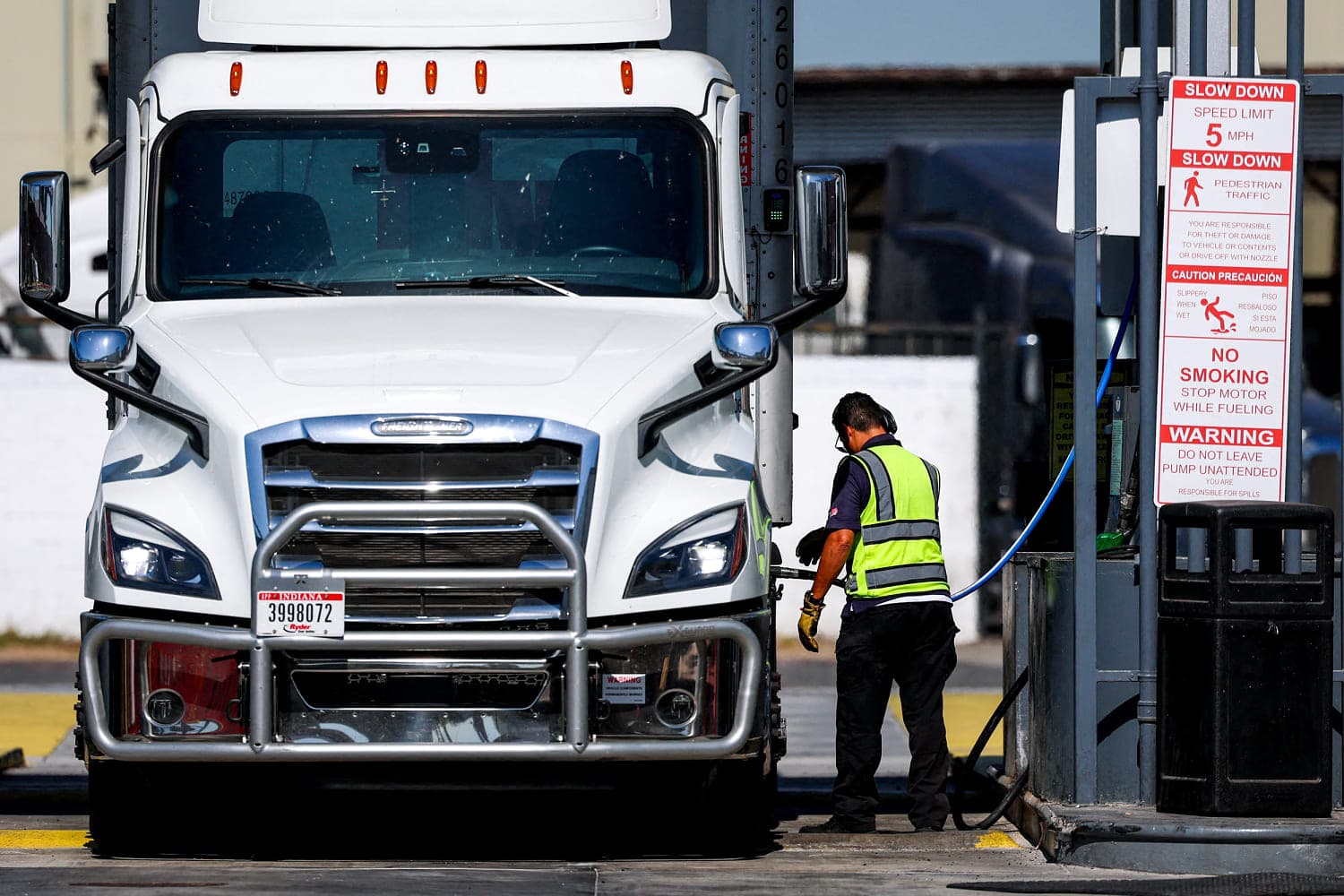
- U.S. diesel prices hit $5.78 per gallon, the highest since mid-2022, driven by geopolitical tensions and supply disruptions.
- Global middle-distillate supplies tightened due to the U.S.-Iran conflict and Russia's ban on diesel exports, impacting transportation and agriculture.
The context you actually need
- The Iran conflict began in late February 2026, disrupting tanker traffic through the Strait of Hormuz, which carries about 20% of global oil supply.
- Russian diesel exports were banned until the end of September 2026 following Ukrainian drone strikes on Russian refineries, exacerbating supply issues.
- U.S. refinery utilization approached 98%, with inventories at seasonal lows, limiting the ability to meet rising demand.
What's really happening
The recent spike in Brent crude oil prices and diesel costs is rooted in a complex interplay of geopolitical tensions and supply chain disruptions. The ongoing conflict between the U.S. and Iran has severely impacted maritime oil flows through the Strait of Hormuz, a critical chokepoint for global oil transportation. This strait is vital, as it facilitates the passage of approximately 20% of the world's oil supply. The conflict has led to reduced tanker traffic, creating a ripple effect that has tightened global oil supplies.
Simultaneously, Russia's decision to ban diesel exports until the end of September 2026 has further strained the market. This ban was a direct response to Ukrainian drone strikes targeting Russian refineries, which have prompted Moscow to prioritize domestic needs over international sales. As a result, the global market is facing a significant reduction in diesel availability, which is crucial for transportation, agriculture, and industrial operations.
In the U.S., refinery operations are nearing capacity, with utilization rates hitting around 98%. This high level of activity is not enough to offset the declining inventories, which are at seasonal lows. The combination of these factors has led to a 53% increase in diesel prices since February 2026, with the national average reaching $5.78 per gallon. Analysts have noted that these disruptions equate to a loss of about 20% of the global seaborne diesel trade, indicating a severe supply crunch.
The market's response has been to price in sustained inflation risks, pushing Treasury yields higher. Federal Reserve officials have acknowledged that while energy prices have not yet broadly affected other goods, the potential for inflation remains a concern. Refining margins for diesel have exceeded $100 per barrel, highlighting the profitability of diesel production amid rising prices. However, analysts suggest that relief from these elevated prices will require either increased oil flows from the Persian Gulf or a resumption of Russian diesel exports.
As the situation evolves, the energy market remains on track for weekly gains, with prices likely to continue fluctuating based on geopolitical developments and supply chain dynamics.
Who feels it first (and how)
- Transportation companies: Higher fuel costs will increase operational expenses, potentially leading to higher shipping rates.
- Agricultural sector: Increased diesel prices will raise costs for farming equipment and transportation of goods.
- Consumers: Expect higher prices for goods and services as businesses pass on increased transportation costs.
- Logistics firms: Strained supply chains may lead to delays and increased costs for logistics operations.
- Residents of Dubai: Elevated transportation and logistics costs due to regional supply disruptions could affect consumer goods prices.
What to watch next
- Geopolitical developments: Monitor the U.S.-Iran conflict and any changes in Russian export policies, as these will directly impact oil supply and prices.
- Refinery output levels: Keep an eye on U.S. refinery utilization rates and inventory levels, which will indicate the ability to meet rising demand.
- Consumer price index (CPI): Watch for changes in the CPI, as rising energy costs may lead to broader inflationary pressures across the economy.
Diesel prices have surged to $5.78 per gallon, the highest since mid-2022.
Continued geopolitical tensions will keep oil prices elevated and may lead to further inflationary pressures.
The timeline for resolution of supply disruptions and the potential for price stabilization remains uncertain.
Frequently Asked Questions
- Why it matters?
- The surge in oil prices signals potential inflationary pressures across various sectors, affecting consumer goods and services.
- What happened (in 30 seconds)?
- Brent crude oil reached $97 per barrel on September 3, 2026, marking a significant price increase. U.S. diesel prices hit $5.78 per gallon, the highest since mid-2022, driven by geopolitical tensions and supply disruptions. Global middle-distillate supplies tightened due to the U.S.-Iran conflict and Russia's ban on diesel exports, impacting transportation and agriculture.
- What's really happening?
- The recent spike in Brent crude oil prices and diesel costs is rooted in a complex interplay of geopolitical tensions and supply chain disruptions. The ongoing conflict between the U.S. and Iran has severely impacted maritime oil flows through the Strait of Hormuz, a critical chokepoint for global oil transportation. This strait is vital, as it facilitates the passage of approximately 20% of the world's oil supply. The conflict has led to reduced tanker traffic, creating a ripple effect that has
- Who feels it first (and how)?
- Transportation companies: Higher fuel costs will increase operational expenses, potentially leading to higher shipping rates. Agricultural sector: Increased diesel prices will raise costs for farming equipment and transportation of goods. Consumers: Expect higher prices for goods and services as businesses pass on increased transportation costs. Logistics firms: Strained supply chains may lead to delays and increased costs for logistics operations. Residents of Dubai: Elevated transportation and
- What to watch next?
- Geopolitical developments: Monitor the U.S.-Iran conflict and any changes in Russian export policies, as these will directly impact oil supply and prices. Refinery output levels: Keep an eye on U.S. refinery utilization rates and inventory levels, which will indicate the ability to meet rising demand. Consumer price index (CPI): Watch for changes in the CPI, as rising energy costs may lead to broader inflationary pressures across the economy.
Markets desk coverage, trading insights, and investor updates.
"WSJ’s markets reporting provides in-depth analysis and context for investors."
— A47 Editor
Record Fuel Prices Pose Fresh Challenge for Trump Ahead of Midterms
Diesel prices in the U.S. have reached an unprecedented average of $5.85 per gallon, marking a new record that surpasses the previous high set in 2022. This surge in fuel costs poses significant challenges for former President Trump as he approaches ...
U.S. business news, corporate developments, and economy.
"The Wall Street Journal is respected for deep financial and economic reporting with a center-right editorial perspective."
— A47 Editor
Record Fuel Prices Pose Fresh Challenge for Trump Ahead of Midterms
Diesel prices in the U.S. have reached an unprecedented average of $5.85 per gallon, surpassing the previous record set in 2022, presenting a significant challenge for former President Trump as the midterm elections approach.
Markets, economy, and company analysis from NYT’s business desk.
"The New York Times is a globally recognized newspaper offering authoritative reporting with a center-left editorial stance."
— A47 Editor
Iran War Helps to Drive U.S. Diesel Prices to New High
The ongoing war in Iran has driven U.S. diesel prices to new highs, surpassing the previous record set in 2022 following Russia's invasion of Ukraine. This surge in diesel costs, which are critical for commercial vehicles including freight trucks, re...
Global business headlines with AI angles.
"General business outlet that frequently covers AI."
— A47 Editor
Diesel Fuel Price Hits All-Time High. No End In Sight To Price Crunch.
Diesel fuel prices have reached an all-time high of $5.85 per gallon, reflecting a 23-cent increase over the past week, as reported by the American Automobile Association (AAA). This surge in diesel prices contributes to ongoing concerns about fuel a...
Corporate news, economic trends, and markets with UK and global scope.
"BBC News is widely regarded as reputable and impartial, with a public service mandate."
— A47 Editor
UK petrol prices hit highest level since Iran war began
UK petrol prices have surged to 163p per litre, the highest level since the Iran war began, according to the RAC. This increase is attributed to elevated oil prices, which continue to affect the cost of fuel across the country.
News from the United States including domestic politics, society, and culture.
"Global News is a mainstream Canadian media outlet generally considered to have a centrist editorial stance, covering news with a focus on factual reporting and national interest."
— A47 Editor
U.S. diesel prices soar to an all-time record high
U.S. diesel prices have reached an unprecedented average of $5.85 per gallon, a record high driven by ongoing disruptions in fuel supply due to the six-month war with Iran. This surge marks a significant escalation in fuel costs, impacting various se...
Editor-curated FT homepage stories spanning markets, business, world, and opinion.
"The Financial Times is a globally respected business publication with a centrist/center-left tone and strong markets focus."
— A47 Editor
Trump’s Iran war sends US diesel prices to record high
The ongoing conflict in Iran has led to a significant surge in U.S. diesel prices, which have reached record highs, surpassing previous peaks set in 2022. This escalation in fuel costs is attributed to heightened tensions and military actions between...
Corporate news, economic trends, and markets with UK and global scope.
"BBC News is widely regarded as reputable and impartial, with a public service mandate."
— A47 Editor
US diesel prices hit an all-time-high
U.S. diesel prices have reached an all-time high, driven by a surge in fuel costs that began with the escalation of the Iran conflict at the end of February. This increase mirrors the rise in wholesale oil prices, significantly impacting the market d...
Coverage of national news and events from across the United States.
"HuffPost is known for its progressive editorial stance, offering opinionated yet comprehensive coverage on social, political, and cultural topics."
— A47 Editor
U.S. Diesel Prices Hit Record High Of $5.85 On Average As Iran War Disrupts Flow Of Fuel
U.S. diesel prices have reached a record high of $5.85 per gallon, primarily due to disruptions in fuel supply caused by the ongoing war in Iran. This surge in prices is expected to have a significant impact on transportation costs across various sec...
U.S. business news, corporate developments, and economy.
"The Wall Street Journal is respected for deep financial and economic reporting with a center-right editorial perspective."
— A47 Editor
U.S. Retail Diesel Prices Hit Record High as Global Supply Tightens
U.S. retail diesel prices have surged to a record high due to ongoing disruptions in the Middle East and Russian refineries, which have tightened global supplies significantly. This increase reflects a broader trend of escalating energy costs driven ...
Oil, metals, and agriculture: supply/demand headlines, OPEC chatter, inventories, and price action.
"Solid tape for energy and metals traders tracking macro and micro catalysts."
— A47 Editor
US diesel prices hit record high as conflicts intensify supply crunch
US diesel prices have reached a record high as ongoing geopolitical conflicts exacerbate supply shortages, significantly impacting the market dynamics. This surge in prices reflects the broader instability in oil supply chains, particularly influence...
Markets, economy, and company analysis from NYT’s business desk.
"The New York Times is a globally recognized newspaper offering authoritative reporting with a center-left editorial stance."
— A47 Editor
Oil Jumps for Fourth Straight Day and Diesel Nears Record High
Oil prices have surged for the fourth consecutive day, driven by renewed strikes between the United States and Iran, which have disrupted energy supply chains and diminished hopes for a swift resolution to the ongoing conflict. Diesel prices are also...
Comprehensive coverage of global events, politics, and international issues.
"NBC News is a mainstream outlet known for comprehensive national and international coverage with a centrist to slightly left-leaning editorial tone."
— A47 Editor
Oil touches $97 per barrel as diesel prices surge to highest level this year
The nationwide average price for diesel fuel has surged to $5.78 per gallon, reflecting a 9-cent increase overnight, as oil prices have reached $97 per barrel, marking the highest level for diesel this year.
United Kingdom-focused news including local politics, business, and social issues.
"BBC News is widely regarded as a reputable international news organization, known for its impartial tone and public service mandate."
— A47 Editor
Diesel sees biggest monthly fall in 26 years. What's happening to fuel prices?
Diesel prices have experienced their largest monthly decline in 26 years, following an initial surge triggered by the US-Israel conflict with Iran. As peace talks progress, fuel costs are now decreasing, reflecting a shift in market sentiment.