
Oil prices rise 1% amid U.S. airstrikes on Iran and declining crude inventories
Here's what it means for you.
The recent rise in oil prices signals heightened volatility in the energy market, driven by geopolitical tensions and inventory fluctuations. For investors and policymakers, this underscores the importance of monitoring international relations, particularly between the U.S. and Iran, as military actions can significantly impact supply chains. Businesses reliant on oil may need to adjust their strategies in response to these market dynamics.
What happened
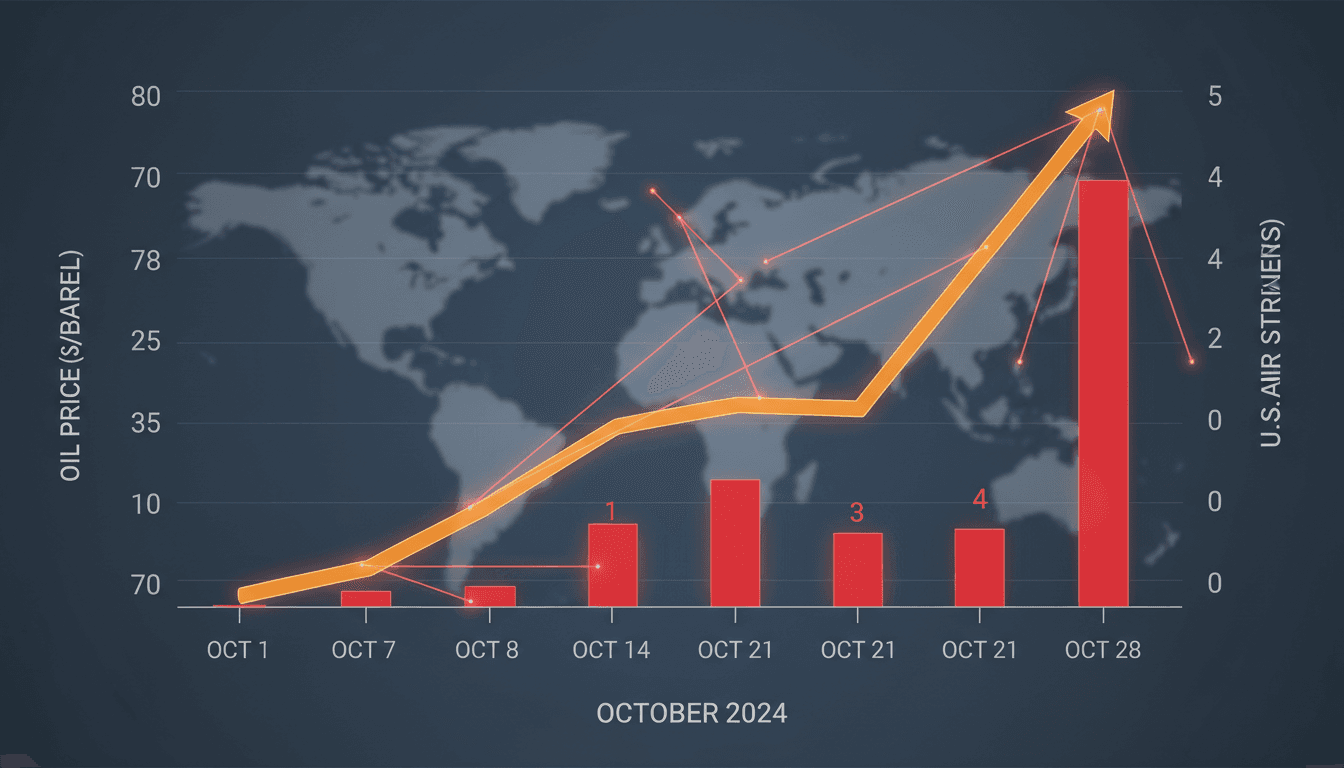
Oil prices increased by approximately 1% on Wednesday, primarily due to U.S. airstrikes on Iranian targets and a notable decline in U.S. crude inventories. This rise follows a recent low in oil prices, reflecting the market's reaction to escalating geopolitical tensions in the region. The airstrikes were a direct response to the downing of an Apache helicopter near the Strait of Hormuz, further intensifying concerns about potential supply disruptions.
The significant drop in U.S. crude inventories has also contributed to the upward pressure on oil prices. Market data indicates that this combination of military actions and inventory changes has led to a volatile trading environment. As a result, oil prices rose by 83 cents on the day of the report, highlighting the immediate market response to these developments.
The Context
The geopolitical landscape surrounding U.S.-Iran relations has been increasingly fraught, particularly following recent military actions. The U.S. military's airstrikes on June 10, 2026, mark a significant escalation in tensions, raising alarms about the stability of oil supply routes in the region. Stakeholders, including energy investors and global markets, are closely monitoring these developments as they can have far-reaching implications.
The decline in U.S. crude oil inventories adds another layer of complexity to the situation. As inventory levels fluctuate, they can exacerbate price volatility, making it crucial for market participants to stay informed about upcoming reports on crude inventories. This context is vital for understanding the current dynamics affecting oil prices and the broader implications for global energy markets.
Takeaway
Looking ahead, continued military actions and inventory trends will likely keep oil prices fluctuating in the near future. Stakeholders should monitor further developments in U.S.-Iran relations, as any escalation could lead to significant disruptions in oil supply. Additionally, upcoming reports regarding U.S. crude oil inventories will be critical in assessing the ongoing market situation.
As geopolitical tensions persist, the energy market is expected to remain sensitive to both military actions and inventory changes. Investors and businesses should prepare for potential volatility and adjust their strategies accordingly.
Arabic-language coverage of international news and geopolitics.
"RT Arabic is a Russian state-funded outlet often criticized for promoting Kremlin-aligned narratives."
— A47 Editor
النفط يقفز 83 سنتا متأثرا بتراجع المخزونات وتبادل الضربات بين القوات الأمريكية وإيران
Oil prices rose by 1% on Wednesday, increasing by 83 cents, influenced by a decline in U.S. inventories and recent exchanges of fire between U.S. forces and Iran following the downing of an Apache helicopter near the Strait of Hormuz.
Jordanian news and regional updates.
"Roya News is a Jordanian outlet focused on breaking news and local affairs."
— A47 Editor
أسعار النفط العالمية تقفز بنحو 1% عقب الضربات الجوية الأمريكية على إيران
Global oil prices surged by approximately 1% during trading on Wednesday, following U.S. airstrikes on Iran. This increase reflects market reactions to geopolitical tensions and their potential impact on oil supply and prices.
Pan-Arab political news and analysis.
"Al-Quds Al-Arabi is a London-based Arabic newspaper known for political coverage."
— A47 Editor
النفط يصعد بنحو 1% مع شن أمريكا ضربات جديدة على إيران وشح المعروض
Oil prices rose by approximately 1% following new strikes by the U.S. military on Iran, coupled with a tightening supply situation. This development highlights the ongoing geopolitical tensions in the region and their impact on global oil markets.