
UBS Forecasts Two Federal Reserve Rate Hikes in 2026 Following Strong Jobs Data
Here's what it means for you.
Anticipated rate hikes by the Federal Reserve could impact your investment strategies and borrowing costs.
Why it matters
The Federal Reserve's policy changes directly influence economic conditions, affecting everything from mortgage rates to stock market performance.
What happened (in 30 seconds)
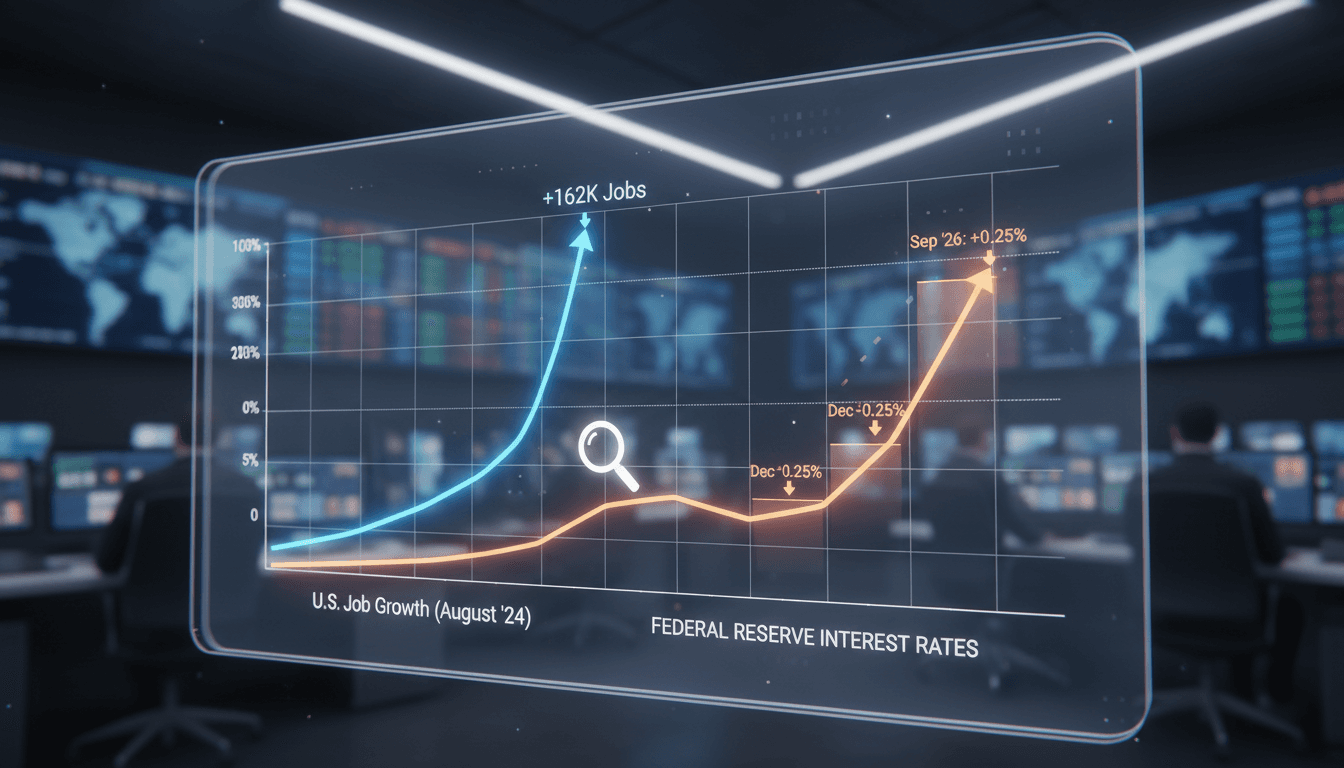
- UBS Wealth Management USA revised its forecast to include two 25-basis-point rate hikes in September and December 2026.
- August's jobs report revealed 162,000 new jobs added, significantly surpassing expectations of 55,000.
- Fed Chair Kevin Warsh's hawkish remarks at Jackson Hole emphasized the need for tighter monetary policy amid persistent inflation.
The context you actually need
- UBS's previous outlook anticipated no rate changes for the remainder of 2026, following three cuts in late 2025 aimed at supporting the labor market.
- Inflation pressures have remained above the 2% target for five years, driven by supply chain issues and rising energy prices.
- Warsh's speech highlighted the necessity for a more aggressive stance if inflation does not show signs of moderation.
What's really happening
The recent revision by UBS reflects a significant shift in the economic landscape, driven primarily by stronger-than-expected employment data. The U.S. nonfarm payrolls report for August 2026 indicated a robust addition of 162,000 jobs, far exceeding the consensus forecast of 55,000. This surge in employment is a clear signal of resilience in the labor market, which is crucial for the Federal Reserve's decision-making process regarding interest rates.
Fed Chair Kevin Warsh's remarks at the Jackson Hole Economic Symposium further underscored the urgency for the Fed to adopt a more hawkish stance. His emphasis on the need for tighter monetary policy if inflation remains unchecked aligns with the Fed's dual mandate of promoting maximum employment and stable prices. With inflation consistently above the target, the Fed faces mounting pressure to act decisively.
UBS's updated forecast now anticipates two rate hikes, lifting the federal funds target range to 4.00-4.25%. This adjustment is not isolated; other financial institutions, including Citigroup and Macquarie, have also revised their expectations in light of the new data. The anticipated hikes are expected to occur during the Federal Open Market Committee (FOMC) meetings on September 15-16 and December 2026.
The implications of these changes are multifaceted. Higher interest rates typically lead to increased borrowing costs for consumers and businesses, which can dampen spending and investment. However, UBS maintains a constructive outlook on global equities, suggesting that the underlying economic activity, bolstered by AI investments and corporate profits, will support stock market performance despite the volatility associated with rising yields.
For investors, this means a potential rebalancing of portfolios as they navigate the implications of higher yields on fixed-income returns. The anticipated rate hikes could also influence global markets, particularly for investors in regions like Dubai, where exposure to U.S. assets is common. As U.S. yields rise, Dubai-based investors may need to reassess their strategies to optimize returns in a changing economic environment.
Who feels it first (and how)
- Investors: Those with U.S. asset exposure may need to adjust their portfolios in response to higher yields.
- Homebuyers: Increased borrowing costs could affect mortgage rates, impacting affordability.
- Businesses: Companies reliant on loans for expansion may face higher interest expenses, influencing growth strategies.
What to watch next
- August CPI and PPI data releases: These will provide insights into inflation trends and could influence further Fed actions.
- Market reactions to rate hike probabilities: Watch for shifts in investor sentiment and asset prices as the September meeting approaches.
- Global economic indicators: Keep an eye on international economic data that may impact U.S. monetary policy decisions.
UBS has revised its forecast to include two rate hikes in 2026.
Other financial institutions will continue to adjust their forecasts based on economic data.
The long-term impact of these rate hikes on consumer spending and economic growth remains uncertain.
Frequently Asked Questions
- Why it matters?
- The Federal Reserve's policy changes directly influence economic conditions, affecting everything from mortgage rates to stock market performance.
- What happened (in 30 seconds)?
- UBS Wealth Management USA revised its forecast to include two 25-basis-point rate hikes in September and December 2026. August's jobs report revealed 162,000 new jobs added, significantly surpassing expectations of 55,000. Fed Chair Kevin Warsh's hawkish remarks at Jackson Hole emphasized the need for tighter monetary policy amid persistent inflation.
- What's really happening?
- The recent revision by UBS reflects a significant shift in the economic landscape, driven primarily by stronger-than-expected employment data. The U.S. nonfarm payrolls report for August 2026 indicated a robust addition of 162,000 jobs, far exceeding the consensus forecast of 55,000. This surge in employment is a clear signal of resilience in the labor market, which is crucial for the Federal Reserve's decision-making process regarding interest rates. Fed Chair Kevin Warsh's remarks at the Jack
- Who feels it first (and how)?
- Investors: Those with U.S. asset exposure may need to adjust their portfolios in response to higher yields. Homebuyers: Increased borrowing costs could affect mortgage rates, impacting affordability. Businesses: Companies reliant on loans for expansion may face higher interest expenses, influencing growth strategies.
- What to watch next?
- August CPI and PPI data releases: These will provide insights into inflation trends and could influence further Fed actions. Market reactions to rate hike probabilities: Watch for shifts in investor sentiment and asset prices as the September meeting approaches. Global economic indicators: Keep an eye on international economic data that may impact U.S. monetary policy decisions.
Stock market news, investing ideas, and trading analysis.
"TheStreet provides market news and retail-investor-focused analysis."
— A47 Editor
UBS doubles down on Fed rate-hike forecast for 2026
UBS has reaffirmed its forecast that the Federal Reserve will implement two interest rate hikes in 2026, influenced by Fed Chair Kevin Warsh's recent hawkish stance and strong employment data. This outlook reflects a significant shift in the Fed's ap...
Macro commentary, policy analysis, growth/inflation themes, and global outlooks.
"Contextual macro coverage that complements day-to-day market headlines."
— A47 Editor
UBS expects the Fed to lift rates twice before the end of the year. Here’s why.
UBS has projected that the Federal Reserve will raise interest rates twice before the end of the year, reflecting ongoing concerns about inflation and economic stability. This forecast aligns with recent discussions within the Fed, where multiple ban...
Macro commentary, policy analysis, growth/inflation themes, and global outlooks.
"Contextual macro coverage that complements day-to-day market headlines."
— A47 Editor
UBS forecasts two US Fed rate hikes in 2026 after strong jobs report
UBS has forecasted that the US Federal Reserve will implement two interest rate hikes in 2026, following a robust jobs report that suggests a strengthening labor market. This prediction aligns with ongoing discussions within the Fed regarding inflati...