
Oil Prices Surpass $100 per Barrel Amid Middle East Supply Disruptions
Why it matters
The surge in oil prices signals heightened geopolitical risks that can affect global economic stability.
What happened (in 30 seconds)
- Oil prices surpassed $100 per barrel on September 15, 2026, driven by Middle East supply disruptions.
- Brent crude reached 105.74 USD, reflecting an 8% increase since September 8 due to attacks on Saudi energy infrastructure.
- Major importers like India and China are facing increased energy costs, which may lead to inflationary pressures.
The context you actually need
- Geopolitical tensions: The ongoing conflict between the U.S. and Iran has led to reduced oil flows through critical shipping routes.
- Supply chain vulnerabilities: Attacks on Saudi facilities have compromised key pipelines, increasing reliance on less secure routes.
- Global inventory depletion: Since the conflict began, global oil inventories have dropped significantly, exacerbating supply concerns.
What's really happening
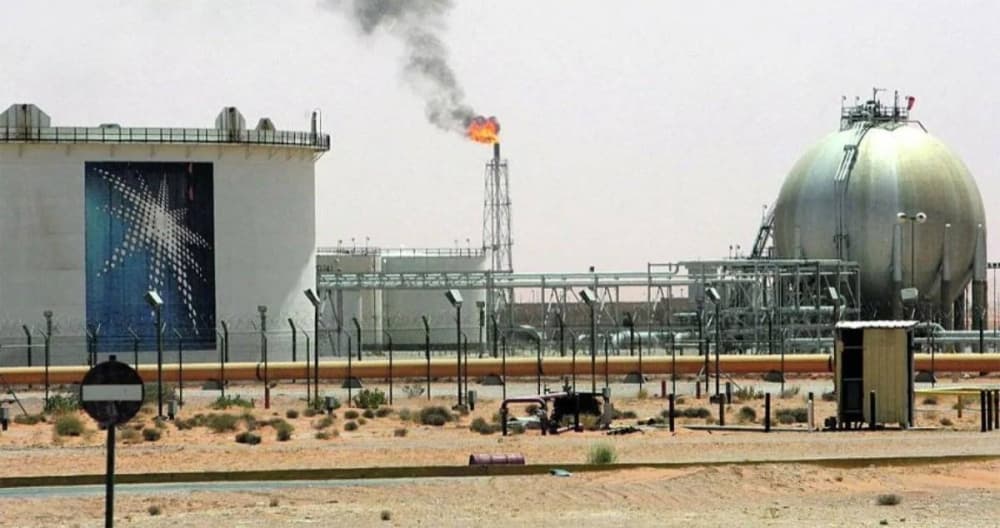
On September 8, 2026, Houthi forces launched attacks on Saudi energy facilities, specifically targeting the East-West pipeline, which carries between 2.6 to 4 million barrels of oil daily. This attack triggered an immediate market reaction, pushing Brent crude prices up by 8% to 105.74 USD per barrel by September 15. The heightened risk of further disruptions in the Red Sea and the Strait of Hormuz has led to increased risk premiums in oil pricing, reflecting market fears of supply shortages.
The geopolitical landscape is critical here. The U.S. and Iran have been embroiled in a conflict since early 2026, which has already strained oil supply chains. The Strait of Hormuz, a vital passage for global oil shipments, has seen reduced flows due to military tensions, making it a focal point for market volatility. As Saudi Arabia is one of the world's largest oil producers, any disruption in its output has a ripple effect on global prices.
Importers, particularly in Asia and Europe, are now facing higher energy costs, which are likely to be passed down the supply chain. This means that industries reliant on oil, such as transportation and manufacturing, will see increased operational costs. For consumers, this translates into higher prices for goods and services, as companies adjust to the new cost landscape.
Moreover, the depletion of global inventories, which have reportedly fallen to between 400-500 million barrels since the onset of the conflict, indicates that the market is running low on reserves. This situation could lead to further price increases if the conflict escalates or if additional supply disruptions occur.
Analysts from major financial institutions, including Goldman Sachs and Morgan Stanley, have already raised their price forecasts in response to these developments. The lack of immediate governmental interventions to stabilize prices suggests that the market will continue to react to geopolitical events, keeping prices volatile.
Who feels it first (and how)
- Energy importers: Countries like India and China will experience widened trade deficits and increased industrial costs.
- Consumers: Households will face higher fuel and transportation costs, impacting daily expenses.
- Logistics sectors: Companies reliant on oil for transportation will see increased operational costs, which may lead to higher prices for goods.
- European nations: Countries like France will experience additional fiscal strains due to rising energy costs.
What to watch next
- Supply chain disruptions: Monitor any further attacks on oil infrastructure in the Middle East, as these could lead to additional price spikes.
- Global inventory levels: Keep an eye on inventory reports; a continued decline could signal more significant price increases.
- Government interventions: Watch for any policy responses from major oil-importing nations aimed at mitigating the impact of rising prices.
Oil prices have exceeded $100 per barrel due to geopolitical tensions.
Increased costs will be passed on to consumers, leading to inflationary pressures.
The duration and extent of the current geopolitical conflict and its impact on oil supply.
Frequently Asked Questions
- Why it matters?
- The surge in oil prices signals heightened geopolitical risks that can affect global economic stability.
- What happened (in 30 seconds)?
- Oil prices surpassed $100 per barrel on September 15, 2026, driven by Middle East supply disruptions. Brent crude reached 105.74 USD, reflecting an 8% increase since September 8 due to attacks on Saudi energy infrastructure. Major importers like India and China are facing increased energy costs, which may lead to inflationary pressures.
- What's really happening?
- On September 8, 2026, Houthi forces launched attacks on Saudi energy facilities, specifically targeting the East-West pipeline, which carries between 2.6 to 4 million barrels of oil daily. This attack triggered an immediate market reaction, pushing Brent crude prices up by 8% to 105.74 USD per barrel by September 15. The heightened risk of further disruptions in the Red Sea and the Strait of Hormuz has led to increased risk premiums in oil pricing, reflecting market fears of supply shortages. T
- Who feels it first (and how)?
- Energy importers: Countries like India and China will experience widened trade deficits and increased industrial costs. Consumers: Households will face higher fuel and transportation costs, impacting daily expenses. Logistics sectors: Companies reliant on oil for transportation will see increased operational costs, which may lead to higher prices for goods. European nations: Countries like France will experience additional fiscal strains due to rising energy costs.
- What to watch next?
- Supply chain disruptions: Monitor any further attacks on oil infrastructure in the Middle East, as these could lead to additional price spikes. Global inventory levels: Keep an eye on inventory reports; a continued decline could signal more significant price increases. Government interventions: Watch for any policy responses from major oil-importing nations aimed at mitigating the impact of rising prices.
Sports reporting with a focus on Saudi and regional competitions.
"Okaz sports coverage is broad and audience-friendly, with strong attention to Saudi teams and leagues."
— A47 Editor
«النفط الفوري» يقفز.. الأسعار تتجاوز 130 دولاراً
Oil prices for some spot shipments in Europe have surged past $130 per barrel due to disruptions in oil supplies from the Middle East. In the futures market, Brent crude contracts approached $110, influenced by the cessation of operations in three oi...
Culture, society, and public-interest stories for Arabic-speaking readers.
"This Al Watan feed appears section-specific, and the label is kept broad enough to avoid overclaiming the exact mapping."
— A47 Editor
النفط يتجاوز 100 دولار ويضغط على المستوردين
Oil prices have surged past $100 per barrel, with Brent crude rising approximately 8% since the terrorist attacks on Saudi energy facilities on September 8, reaching $105.74 on September 15. West Texas Intermediate crude increased by about 9.3% to $1...
Arabic-language coverage of international news and geopolitics.
"RT Arabic is a Russian state-funded outlet often criticized for promoting Kremlin-aligned narratives."
— A47 Editor
أسعار النفط خام برنت تلامس 110 دولارات للبرميل
Oil prices surged by over 4.5% to approach $110 per barrel on Monday, driven by concerns over potential disruptions in oil supplies through the Strait of Hormuz and the Bab el-Mandeb Strait.