
Bank of England Holds Interest Rate at 3.75 Percent Amid Rising Inflation Risks from Middle East Energy Crisis
Why it matters
The Bank of England's decision reflects ongoing inflationary pressures that could affect economic stability and consumer spending.
What happened (in 30 seconds)
- The Bank of England held its benchmark interest rate steady at 3.75 percent on September 17, 2026, despite rising inflation.
- UK inflation rose to 3.1 percent in August, driven by increased fuel prices amid Middle East energy disruptions.
- Policymakers warned of potential future rate hikes, with inflation projected to exceed 4 percent in early 2027.
The context you actually need
- Energy prices are volatile due to ongoing conflicts in the Middle East, pushing Brent crude oil prices above $100 per barrel.
- The UK has maintained its interest rate since December 2025, while other central banks have tightened their policies.
- Inflation has remained above the Bank of England's 2 percent target for nearly two years, complicating monetary policy decisions.
What's really happening
The Bank of England's decision to maintain the benchmark interest rate at 3.75 percent comes amid a backdrop of rising inflation, primarily driven by surging energy prices linked to the ongoing conflict in the Middle East. The latest Consumer Price Index (CPI) data revealed a jump to 3.1 percent in August, the highest rate since March, largely due to increased costs for gasoline and diesel. This inflationary pressure is significant, as it not only affects consumer spending but also complicates the Bank's monetary policy framework.
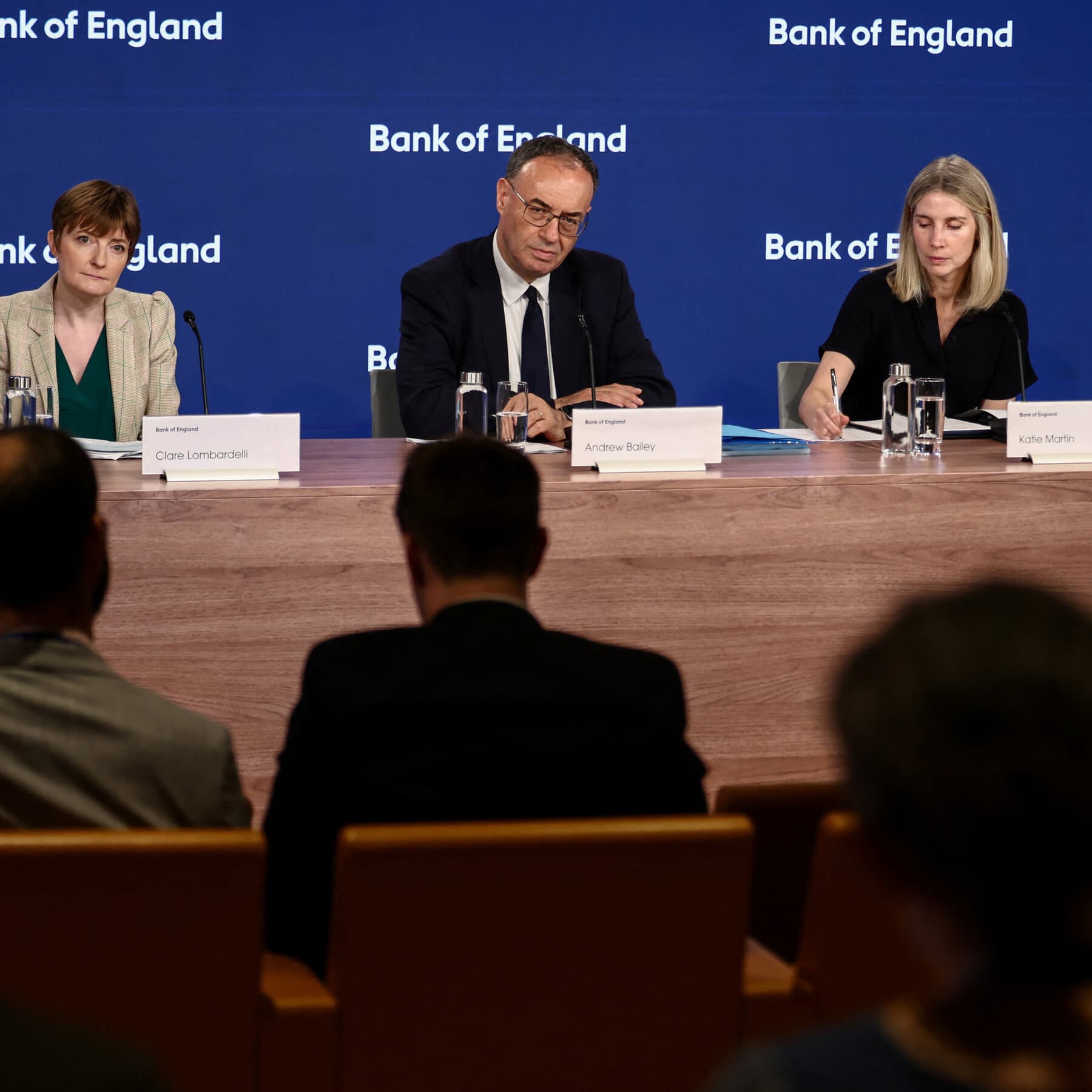
Policymakers at the Bank of England are navigating a delicate balance. While they opted to hold rates steady, the vote was not unanimous—three members of the Monetary Policy Committee (MPC) advocated for an immediate increase to 4 percent. Governor Andrew Bailey noted that while second-round effects on wages and prices have been limited so far, the potential for prolonged energy volatility poses a serious risk to inflation stability. The Bank has revised its inflation forecasts upward, projecting rates to exceed 4 percent in early 2027, which is well above the target of 2 percent.
This situation is further complicated by the fact that the UK is an outlier among major economies. While the U.S. Federal Reserve and the European Central Bank have tightened their monetary policies in response to inflation, the Bank of England's decision to pause reflects a cautious approach. The MPC's decision to halt active gilt sales for six months also indicates a strategy to stabilize long-term borrowing costs, which have seen modest easing following the announcement.
The implications of this decision extend beyond the immediate economic landscape. Households may feel the pinch of rising costs, particularly in energy, as the UK government has announced measures such as the temporary removal of VAT on energy bills from October 2026 to March 2027. This is a direct response to mitigate the impact of rising energy prices on consumers. Financial markets are already pricing in a high probability of a rate hike by the next MPC meeting in November, indicating that the Bank's current stance may be temporary.
Who feels it first (and how)
- Consumers: Households facing higher energy bills and potential inflation impacts on everyday goods.
- Businesses: Companies reliant on stable energy prices for operational costs may experience increased expenses.
- Investors: Those in the financial markets may see fluctuations in borrowing costs and investment strategies based on future rate expectations.
- Low-income households: More vulnerable to inflationary pressures, particularly in essential goods and services.
What to watch next
- Inflation data releases: Upcoming CPI reports will be crucial in assessing whether inflation continues to rise or stabilizes.
- Bank of England's November meeting: The MPC's decision on interest rates will provide insight into their response to ongoing inflation pressures.
- Global energy prices: Fluctuations in oil and gas prices will significantly impact UK inflation and economic forecasts.
The Bank of England's current interest rate is 3.75 percent.
Future rate hikes may occur if inflation continues to rise.
The long-term impact of the Middle East conflict on global energy prices and UK inflation.
Frequently Asked Questions
- Why it matters?
- The Bank of England's decision reflects ongoing inflationary pressures that could affect economic stability and consumer spending.
- What happened (in 30 seconds)?
- The Bank of England held its benchmark interest rate steady at 3.75 percent on September 17, 2026, despite rising inflation. UK inflation rose to 3.1 percent in August, driven by increased fuel prices amid Middle East energy disruptions. Policymakers warned of potential future rate hikes, with inflation projected to exceed 4 percent in early 2027.
- What's really happening?
- The Bank of England's decision to maintain the benchmark interest rate at 3.75 percent comes amid a backdrop of rising inflation, primarily driven by surging energy prices linked to the ongoing conflict in the Middle East. The latest Consumer Price Index (CPI) data revealed a jump to 3.1 percent in August, the highest rate since March, largely due to increased costs for gasoline and diesel. This inflationary pressure is significant, as it not only affects consumer spending but also complicates t
- Who feels it first (and how)?
- Consumers: Households facing higher energy bills and potential inflation impacts on everyday goods. Businesses: Companies reliant on stable energy prices for operational costs may experience increased expenses. Investors: Those in the financial markets may see fluctuations in borrowing costs and investment strategies based on future rate expectations. Low-income households: More vulnerable to inflationary pressures, particularly in essential goods and services.
- What to watch next?
- Inflation data releases: Upcoming CPI reports will be crucial in assessing whether inflation continues to rise or stabilizes. Bank of England's November meeting: The MPC's decision on interest rates will provide insight into their response to ongoing inflation pressures. Global energy prices: Fluctuations in oil and gas prices will significantly impact UK inflation and economic forecasts.
Corporate finance news, M&A, deals, and executive interviews.
"Finance Monthly serves a professional readership with corporate finance coverage."
— A47 Editor
Bank of England Holds Rate at 3.75% as Inflation Risks Rise
The Bank of England has decided to maintain its interest rate at 3.75%, reflecting a cautious stance amid rising inflation risks, particularly due to higher energy prices. This decision was reached by a split vote within the Monetary Policy Committee...
Markets, economy, and company analysis from NYT’s business desk.
"The New York Times is a globally recognized newspaper offering authoritative reporting with a center-left editorial stance."
— A47 Editor
Bank of England Holds Rates Steady but Warns of Higher Inflation
The Bank of England has decided to hold its interest rates steady at 3.75%, following a recent report indicating the fastest pace of price increases in months. This decision reflects a cautious approach amid rising inflation forecasts and ongoing eco...
UK and international business news, economics, and corporate coverage.
"The Guardian’s business section covers finance and markets with a progressive editorial tone."
— A47 Editor
Bank of England holds interest rates at 3.75% but warns war could force future rises
The Bank of England has decided to maintain its interest rates at 3.75%, while cautioning that ongoing conflicts in the Middle East could necessitate future increases in borrowing costs. This decision comes amid rising inflation concerns, particularl...