
Oil Prices Rise After Trump Rejects Iranian Proposal to Reopen Strait of Hormuz
What happened
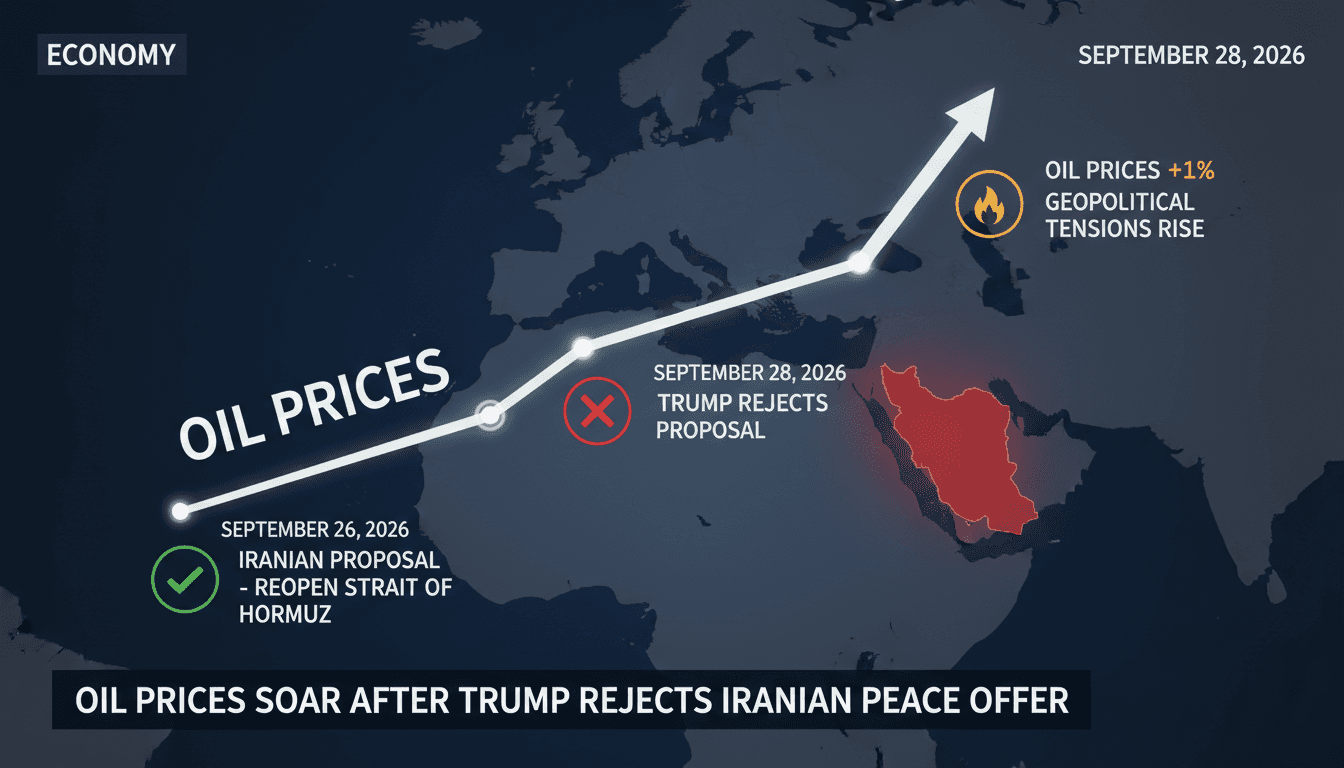
On September 28, 2026, oil prices increased by over 1% after President Trump rejected an Iranian peace proposal regarding the Strait of Hormuz.
The Context
- Geopolitical tensions: The U.S.-Iran conflict, which began in February 2026, has led to military actions and a blockade affecting oil supply routes.
- Market response: Brent crude futures rose $1.82 (1.74%) to $106.14 per barrel, reflecting market adjustments to ongoing supply constraints.
- Diplomatic stalemate: Despite Trump's rejection, diplomatic talks continue, but immediate resolutions appear unlikely.
The Number
— This percentage gain in Brent crude futures highlights the market's sensitivity to geopolitical events, which can directly affect your operational costs.
Takeaway
Expect continued volatility in oil prices as geopolitical tensions persist, influencing global markets and economic conditions.
Oil, metals, and agriculture: supply/demand headlines, OPEC chatter, inventories, and price action.
"Solid tape for energy and metals traders tracking macro and micro catalysts."
— A47 Editor
Oil rebounds after Trump rejects Iran peace deal
Oil prices have rebounded following President Donald Trump's rejection of Iran's proposal for a peace deal aimed at reopening the strategically vital Strait of Hormuz. This decision has led to increased tensions in the region and has impacted market ...
Global markets, investing, and macroeconomics from a premier financial newsroom.
"Bloomberg is respected for in-depth financial reporting and data-driven analysis."
— A47 Editor
Oil Gains, Treasuries Fall as Trump Rebuffs Iran: Markets Wrap
Oil prices increased while bond yields fell after President Donald Trump rejected Iran's proposal to reopen the Strait of Hormuz, escalating tensions in the Middle East and impacting global debt markets. This decision comes amid ongoing geopolitical ...
Markets desk coverage, trading insights, and investor updates.
"WSJ’s markets reporting provides in-depth analysis and context for investors."
— A47 Editor
U.S. Stocks Rise To End Volatile Week
U.S. stocks experienced a recovery to close a volatile week, buoyed by a decline in oil prices amid hopes for a diplomatic agreement between the U.S. and Iran regarding the reopening of the Strait of Hormuz.
Global business headlines with AI angles.
"General business outlet that frequently covers AI."
— A47 Editor
Bond Yields Keep Climbing. Stocks Rose Anyway And The Major Indexes Closed a Winning Week.
Bond yields continue to rise, yet stock markets experienced gains, with major indexes closing the week positively. This trend occurs amidst ongoing discussions between the U.S. and Iran regarding the reopening of the strategically important Strait of...
U.S. business news, corporate developments, and economy.
"The Wall Street Journal is respected for deep financial and economic reporting with a center-right editorial perspective."
— A47 Editor
Oil Prices Fall as U.S.-Iran Diplomacy, Regional Tensions Remain in Focus
Oil prices fell on Friday as investors reacted to ongoing U.S.-Iran diplomatic efforts aimed at reopening the Strait of Hormuz, a crucial shipping route for global oil supplies. This decline reflects a broader market sentiment influenced by the poten...
Global political, business, and cultural coverage from WSJ international desks.
"The Wall Street Journal offers extensive international reporting with a reputation for financial insight and a center-right editorial stance."
— A47 Editor
Oil Prices Fall as U.S.-Iran Diplomacy, Regional Tensions Remain in Focus
Oil prices fell on Friday as investors reacted to ongoing U.S.-Iran diplomatic efforts aimed at reopening the strategically vital Strait of Hormuz, a key shipping route for global oil supplies. This decline follows a trend of decreasing prices attrib...