
OPEC+ agrees to increase oil production quotas amid geopolitical tensions
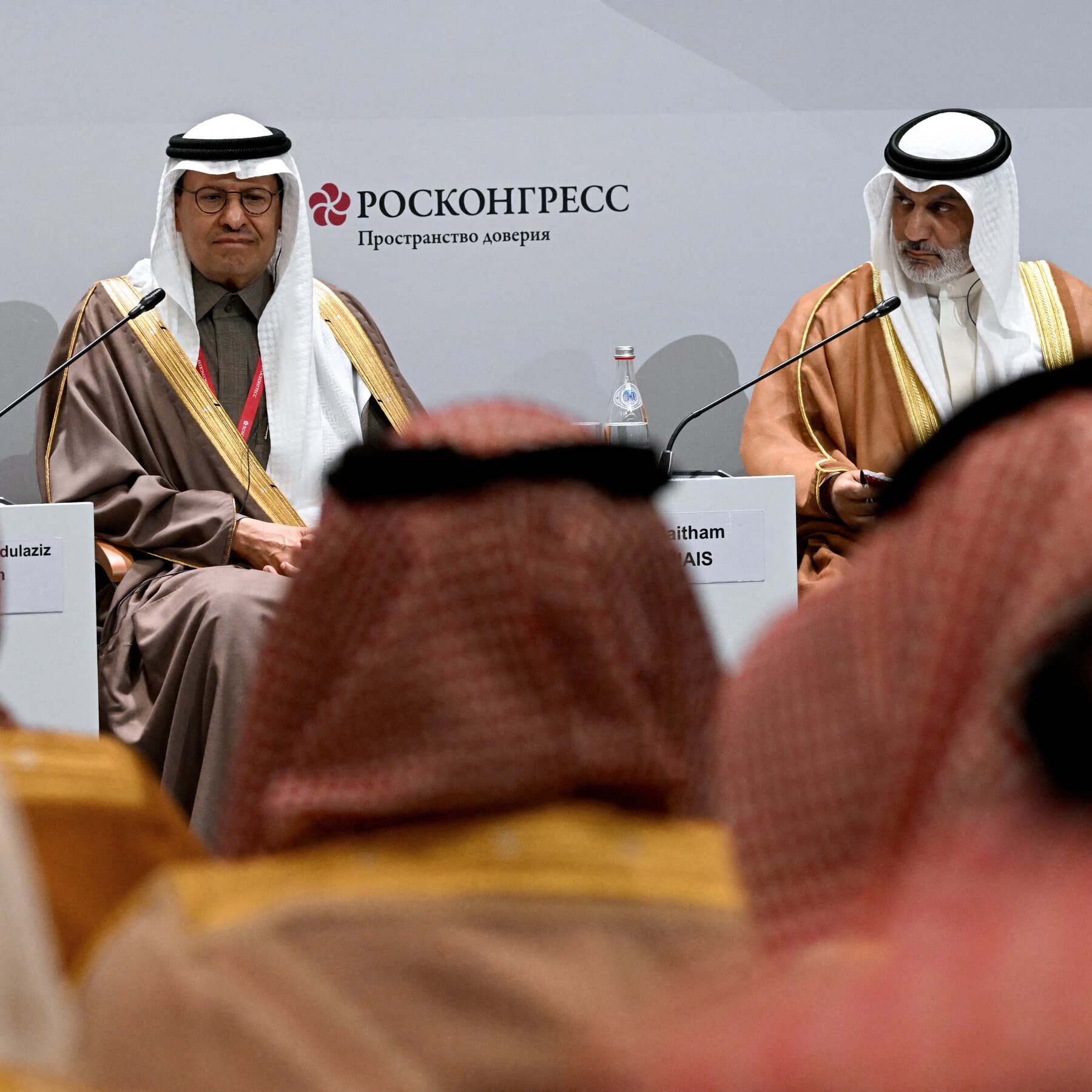
Here's what it means for you.
The recent decision by OPEC+ to increase oil production quotas signals an attempt to stabilize the oil market amidst ongoing geopolitical tensions. This increase, while modest, reflects the complexities of current global oil dynamics, particularly concerning the Strait of Hormuz. Stakeholders in the energy sector should remain vigilant as the actual impact of this decision may be limited by existing export challenges. As the situation evolves, market participants will need to monitor how these geopolitical factors influence oil supply and pricing. The cautious approach taken by OPEC+ indicates a balancing act between responding to market demands and navigating external pressures.
What happened
OPEC+ has agreed to raise oil output quotas by 188,000 barrels per day for July. This decision was made during a virtual meeting aimed at reviewing global market conditions. Seven member countries, including Saudi Arabia, Russia, and Iraq, are involved in this quota increase, marking the fourth consecutive monthly adjustment since the blockade of the Strait of Hormuz began.
Despite the increase, the actual implementation of this decision remains uncertain due to ongoing geopolitical tensions that have restricted oil exports. The increase is viewed as largely symbolic, reflecting the group's efforts to manage supply amid market disruptions.
The Context
The decision to increase production quotas comes against the backdrop of significant geopolitical tensions affecting oil exports, particularly through the strategically vital Strait of Hormuz. This region has been a focal point for oil trade, and any disruptions can have far-reaching implications for global supply. The countries involved in this decision are key players in the oil market, and their actions are closely watched by industry analysts and policymakers alike.
The ongoing blockade of the Strait of Hormuz has created a challenging environment for oil exports, complicating the realization of the increased output. As OPEC+ navigates these complexities, the group's cautious approach reflects a desire to stabilize the market while acknowledging the limitations imposed by external factors.
Takeaway
Looking ahead, it will be crucial to monitor developments in the Strait of Hormuz and their potential impact on oil exports. OPEC+ is likely to remain flexible in its production strategies, adapting to market conditions as necessary. The group's recent decision may not significantly alter global oil supply, but it underscores the ongoing challenges faced by member countries in balancing production with geopolitical realities.
As the situation unfolds, stakeholders should keep an eye on any adjustments in OPEC+ production strategies that may arise in response to changing market dynamics. The interplay between geopolitical tensions and oil supply will continue to shape the landscape of the global energy market.
Pan-Arab news coverage spanning politics, business, sports, and regional affairs.
"Asharq Al-Awsat reflects a broad Arab editorial perspective with strong attention to regional geopolitics."
— A47 Editor
«أوبك بلس» تقر زيادة الإنتاج بـ188 ألفاً
Seven countries within OPEC+ have decided to proceed with a voluntary production increase of approximately 188,000 barrels per day starting in July, marking the fourth such increase since the closure of the Strait of Hormuz.
U.S. business news, corporate developments, and economy.
"The Wall Street Journal is respected for deep financial and economic reporting with a center-right editorial perspective."
— A47 Editor
OPEC, Allies Pledge Oil-Output Hike Even as Middle East War Chokes Exports
OPEC and its allies have pledged to increase oil production, despite the ongoing war in the Middle East, which has severely disrupted exports through the Strait of Hormuz, a vital maritime route for global oil supply. This increase is seen as largely...
English-language reporting on Saudi politics, policy, and society.
"Saudi Gazette reflects mainstream Saudi institutional perspectives."
— A47 Editor
7 OPEC+ countries to raise oil output by 188,000 bpd in July
Seven OPEC+ countries, including Saudi Arabia, Russia, and Iraq, have agreed to raise their crude oil output targets by 188,000 barrels per day (bpd) in July, maintaining the same increase as in June. This decision follows a virtual meeting to assess...
English-language reporting focused on Saudi Arabia and regional affairs.
"Saudi Gazette provides English-language coverage that often aligns with mainstream Saudi news priorities."
— A47 Editor
7 OPEC+ countries to raise oil output by 188,000 bpd in July
Seven OPEC+ countries, including Saudi Arabia, Russia, and Iraq, have agreed to raise their crude oil output targets by 188,000 barrels per day (bpd) in July, maintaining the same increase as in June. This decision follows a virtual meeting to assess...
Markets, economy, and company analysis from NYT’s business desk.
"The New York Times is a globally recognized newspaper offering authoritative reporting with a center-left editorial stance."
— A47 Editor
OPEC Plus to Boost Oil Production as Ceasefire in Iran Remains Elusive
OPEC Plus has announced an increase in oil production by 188,000 barrels per day, a move that appears largely symbolic given the ongoing crisis in the Strait of Hormuz, which has effectively shut down a critical oil transit route. The announcement wa...
Global markets, investing, and macroeconomics from a premier financial newsroom.
"Bloomberg is respected for in-depth financial reporting and data-driven analysis."
— A47 Editor
OPEC+ Agrees Another Symbolic Quota Increase for July
OPEC+ has agreed to a modest symbolic increase in oil output quotas for July, despite significant challenges in implementing these changes due to ongoing export blockages from the Persian Gulf. This decision reflects the organization's ongoing effort...