
Oil prices decline to pre-war levels amid increased Middle Eastern supply
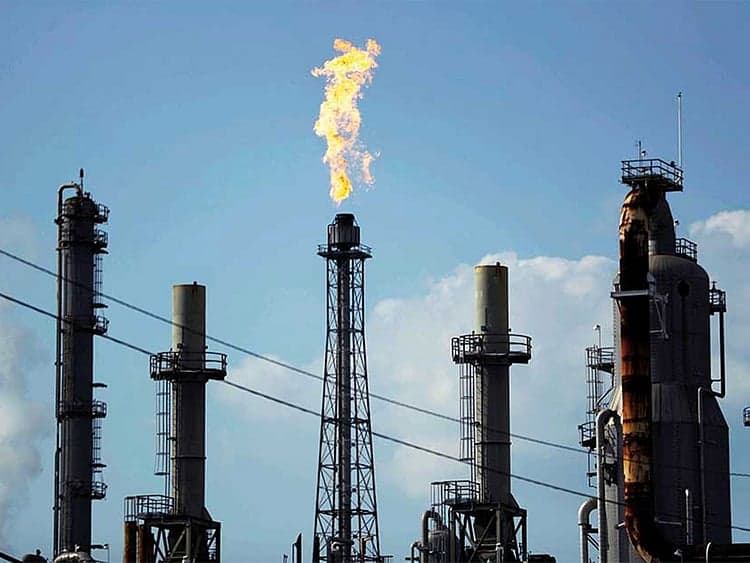
Here's what it means for you.
The recent decline in oil prices signals a shift in market dynamics, primarily driven by increased supply from the Middle East. This development may lead to lower fuel costs for consumers and businesses alike, potentially easing inflationary pressures. However, the situation remains fluid as geopolitical tensions, particularly regarding U.S.-Iran negotiations, could influence future price stability. As the oil market adjusts to these changes, stakeholders should remain vigilant about how supply fluctuations and political developments may impact pricing strategies and investment decisions. The interplay between supply and geopolitical factors will be crucial in shaping the market landscape in the coming months.
What happened
Oil prices have seen a significant decrease, with Brent crude dropping more than 4% as Middle Eastern supply rises. This decline is attributed to a fading risk premium associated with geopolitical tensions in the region. Increased oil shipments from the Middle East are leading to discounts on crude oil globally, affecting market dynamics.
Investors are currently cautious, weighing the potential for a surge in oil supply against the risks posed by stalled U.S.-Iran negotiations. The market's reaction reflects a complex interplay of supply increases and ongoing geopolitical uncertainties.
The Context
The recent downturn in oil prices is rooted in a broader context of changing supply dynamics in the Middle East. As oil shipments increase, the market is responding with lower prices, which could have significant implications for global energy costs. The fading risk premium indicates a shift in investor sentiment, as concerns over geopolitical tensions begin to ease.
Stakeholders in the oil market, including producers and consumers, are closely monitoring developments in U.S.-Iran relations. The outcome of these negotiations could further influence supply levels and pricing strategies, making it essential for market participants to stay informed.
Takeaway
Looking ahead, the oil market is likely to remain sensitive to both supply changes and geopolitical tensions. Investors should keep an eye on developments in U.S.-Iran negotiations, as these could have a direct impact on oil supply and pricing. Additionally, further changes in Middle Eastern oil production will be crucial to watch, as they may lead to continued volatility in the market.
As the situation evolves, stakeholders must remain agile and prepared for potential fluctuations in oil prices driven by both supply dynamics and geopolitical factors.
Oil, metals, and agriculture: supply/demand headlines, OPEC chatter, inventories, and price action.
"Solid tape for energy and metals traders tracking macro and micro catalysts."
— A47 Editor
Oil prices at pre-war levels on rising Middle East supply
Oil prices have reached pre-war levels due to an increase in supply from the Middle East, reflecting a shift in market dynamics as geopolitical tensions appear to ease. This development follows expectations of smoother crude flows through the Strait ...
UAE-based newspaper covering Gulf politics, society, and international developments.
"Gulf News is one of the UAE’s most prominent English-language publications."
— A47 Editor
Brent sinks more than 4%, as Middle East risk premium fades
Brent crude oil prices have dropped more than 4%, reflecting a decrease in the Middle East risk premium that had previously driven prices higher due to geopolitical tensions. This decline follows a period where prices were significantly elevated, par...
A curated Gulf News feed featuring major stories across news, business, opinion, and lifestyle.
"Gulf News is a major UAE newspaper whose featured stories feed reflects a broad editorial mix shaped for a Gulf audience."
— A47 Editor
Brent sinks more than 4%, as Middle East risk premium fades
Brent crude oil prices have dropped more than 4%, reflecting a decrease in the Middle East risk premium that had previously driven prices higher due to geopolitical tensions. This decline follows a period where prices were significantly elevated, par...
Pan-Arab news coverage spanning politics, business, sports, and regional affairs.
"Asharq Al-Awsat reflects a broad Arab editorial perspective with strong attention to regional geopolitics."
— A47 Editor
إمدادات النفط من الشرق الأوسط تُخفض الأسعار وتزيد الخصومات على الخام
Recent increases in oil supplies from the Middle East have led to a global reduction in crude oil prices, with shipments now being sold at discounts. This shift in supply dynamics is putting pressure on oil markets worldwide.
Markets desk coverage, trading insights, and investor updates.
"WSJ’s markets reporting provides in-depth analysis and context for investors."
— A47 Editor
Oil Futures Extend Decline in Cautious Trade
Oil futures experienced a decline in a cautious trading environment as investors considered the potential for increased oil supply from the Middle East while also being wary of possible complications in U.S.-Iran negotiations.