
U.S. Labor Market Experiences Significant Slowdown with Only 29,000 Jobs Added in September 2026
Why it matters
The slowdown in job creation and rising unemployment rates indicate a cooling labor market, which could affect consumer spending and economic growth.
What happened (in 30 seconds)
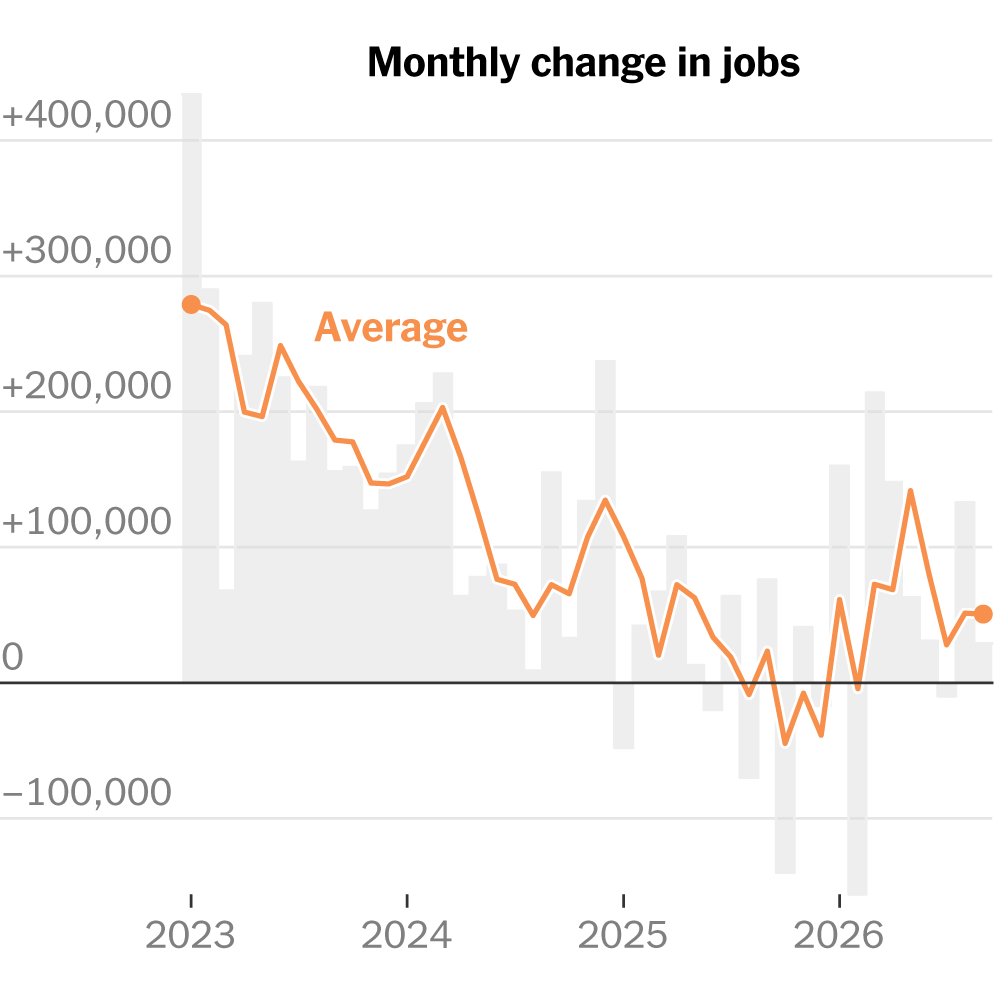
- U.S. employers added only 29,000 jobs in September 2026, significantly below the expected 90,000.
- Unemployment rose to 4.2 percent, up from 4.1 percent, as more workers entered the labor force.
- Revisions to previous months lowered job gains by a combined 60,000, reflecting a trend of reduced hiring.
The context you actually need
- Persistent inflation pressures linked to the Iran conflict have contributed to a softer labor market, with wage growth lagging at 3.0 percent annually.
- Sector-specific trends show gains in healthcare and construction, while government and professional services experienced declines.
- Consumer sentiment remains low, with prices outpacing earnings, further complicating the hiring landscape.
What's really happening
The U.S. labor market is experiencing a notable cooling, as evidenced by the September 2026 Employment Report released by the Bureau of Labor Statistics (BLS). The addition of only 29,000 jobs starkly contrasts with the anticipated 90,000, marking a significant deviation from the previous monthly average of around 80,000 jobs in 2026. This slowdown is compounded by downward revisions of 60,000 jobs for July and August, indicating a broader trend of reduced hiring activity.
The unemployment rate has edged up to 4.2 percent, driven by an influx of workers entering the labor force, which suggests that while more individuals are seeking employment, the opportunities available are not keeping pace. This environment has been characterized by economists as "low-hire, low-fire," where existing employees feel secure in their positions, but job seekers face increasing challenges. The stability of current employment levels contrasts sharply with the difficulties faced by those looking for work, creating a dichotomy in the labor market.
Sector-specific dynamics reveal that while healthcare and construction have seen job gains, other sectors such as government and professional services have contracted. This uneven distribution of job growth highlights the complexities of the current economic landscape, where certain industries thrive while others struggle. The overall moderation in wage growth, currently at 3.0 percent annually, further complicates the situation, as inflation continues to erode purchasing power.
The implications of this labor market cooling extend beyond immediate job creation. Federal Reserve policymakers are likely to interpret this data as justification for delaying an interest rate hike, with futures markets reflecting only a 20 percent probability of an increase in October. This cautious approach from the Fed could have ripple effects across financial markets, influencing investment strategies and consumer confidence.
As the labor market stabilizes but softens, the potential for further economic shocks looms large, particularly in light of ongoing inflation pressures linked to geopolitical tensions, such as the Iran conflict. The interplay between these factors will be crucial in shaping the trajectory of the U.S. economy in the coming months.
Who feels it first (and how)
- Job seekers: Increased competition and fewer available positions make it harder to secure employment.
- Small businesses: Slower hiring may lead to reduced consumer spending, impacting revenue.
- Workers in contracting sectors: Those in government and professional services may face job insecurity or layoffs.
- Federal Reserve policymakers: They will need to navigate the implications of a cooling labor market on monetary policy.
What to watch next
- Wage growth trends: Monitoring wage increases will be crucial to understanding consumer purchasing power and inflation dynamics.
- Sector-specific job reports: Pay attention to which industries are hiring or contracting, as this will inform broader economic health.
- Federal Reserve announcements: Any changes in interest rate policy will signal how the Fed is responding to labor market conditions.
The U.S. labor market is cooling, with reduced job creation and rising unemployment.
Federal Reserve policymakers will delay interest rate hikes in response to the labor market data.
The long-term impact of geopolitical tensions on inflation and employment remains uncertain.
Frequently Asked Questions
- Why it matters?
- The slowdown in job creation and rising unemployment rates indicate a cooling labor market, which could affect consumer spending and economic growth.
- What happened (in 30 seconds)?
- U.S. employers added only 29,000 jobs in September 2026, significantly below the expected 90,000. Unemployment rose to 4.2 percent, up from 4.1 percent, as more workers entered the labor force. Revisions to previous months lowered job gains by a combined 60,000, reflecting a trend of reduced hiring.
- What's really happening?
- The U.S. labor market is experiencing a notable cooling, as evidenced by the September 2026 Employment Report released by the Bureau of Labor Statistics (BLS). The addition of only 29,000 jobs starkly contrasts with the anticipated 90,000, marking a significant deviation from the previous monthly average of around 80,000 jobs in 2026. This slowdown is compounded by downward revisions of 60,000 jobs for July and August, indicating a broader trend of reduced hiring activity. The unemployment rate
- Who feels it first (and how)?
- Job seekers: Increased competition and fewer available positions make it harder to secure employment. Small businesses: Slower hiring may lead to reduced consumer spending, impacting revenue. Workers in contracting sectors: Those in government and professional services may face job insecurity or layoffs. Federal Reserve policymakers: They will need to navigate the implications of a cooling labor market on monetary policy.
- What to watch next?
- Wage growth trends: Monitoring wage increases will be crucial to understanding consumer purchasing power and inflation dynamics. Sector-specific job reports: Pay attention to which industries are hiring or contracting, as this will inform broader economic health. Federal Reserve announcements: Any changes in interest rate policy will signal how the Fed is responding to labor market conditions.
Capitol Hill news, legislation, and policy insight.
"The Hill specializes in U.S. politics and policy, with a focus on Capitol Hill developments and a reputation for insider reporting."
— A47 Editor
September jobs report misses expectations
The U.S. economy added only 29,000 jobs in September, significantly missing economists' expectations and indicating a slowdown in job growth. The unemployment rate also rose slightly to 4.2 percent, reflecting potential challenges in the labor market...
Social/economic commentary and analysis relevant to business and markets.
"WSJ blends data-driven economic insight with commentary on policy and society."
— A47 Editor
The U.S. added 29,000 jobs in September, far short of expectations, in a sign that the labor market remains steady but may not be able to deliver consistent and sizable employment gains
The U.S. labor market added only 29,000 jobs in September, significantly below expectations, indicating a potential slowdown in job growth despite the unemployment rate remaining near historic lows.
Editor-curated FT homepage stories spanning markets, business, world, and opinion.
"The Financial Times is a globally respected business publication with a centrist/center-left tone and strong markets focus."
— A47 Editor
US economy adds just 29,000 jobs in September as hiring slows sharply
The U.S. economy added only 29,000 jobs in September, marking a significant slowdown in hiring compared to previous months, which raises concerns about economic momentum. This figure has reignited discussions regarding the Federal Reserve's potential...
Markets, economy, and company analysis from NYT’s business desk.
"The New York Times is a globally recognized newspaper offering authoritative reporting with a center-left editorial stance."
— A47 Editor
Hiring Slows as U.S. Jobs Report Shows Labor Market Shifting Into Lower Gear
The U.S. labor market showed signs of slowing in September, with job growth decelerating and the unemployment rate rising, indicating a shift towards a more cautious economic environment. This trend is compounded by persistent inflationary pressures ...
Conservative-leaning political and national coverage.
"The Washington Times is a conservative-leaning newspaper known for its political coverage and advocacy of right-of-center viewpoints."
— A47 Editor
U.S. hiring slows, unemployment ticks higher with a month remaining before Americans head to polls
U.S. employers added only 29,000 jobs last month, marking a significant slowdown in hiring, while the unemployment rate rose, according to government reports. This disappointing data comes just a month before the midterm elections, amid growing conce...
News from the United States including domestic politics, society, and culture.
"Global News is a mainstream Canadian media outlet generally considered to have a centrist editorial stance, covering news with a focus on factual reporting and national interest."
— A47 Editor
U.S. job growth slowed, unemployment ticked up last month as midterms near
U.S. employers added only 29,000 jobs last month, a significant slowdown in job growth, while the unemployment rate increased, according to government reports released ahead of the midterm elections. This disappointing data raises concerns about the ...
Corporate news, economic trends, and markets with UK and global scope.
"BBC News is widely regarded as reputable and impartial, with a public service mandate."
— A47 Editor
US jobs market sees sharp slowdown ahead of midterm elections
The US jobs market is experiencing a notable slowdown as unemployment rates have risen slightly, coinciding with a pause in hiring by American employers ahead of the midterm elections. This trend indicates a cautious approach by businesses as they na...
UK and international business news, economics, and corporate coverage.
"The Guardian’s business section covers finance and markets with a progressive editorial tone."
— A47 Editor
US added just 29,000 jobs in September in sharp drop from last month’s gains
In September, the US economy added only 29,000 jobs, a significant decline from the previous month's gains, while the unemployment rate rose slightly to 4.2%. This report serves as the final jobs update before the midterm elections, indicating a cool...
News from the United States including domestic politics, society, and culture.
"The Guardian is known for its progressive editorial stance and in-depth analysis, often advocating for social justice, environmental issues, and liberal values."
— A47 Editor
US added just 29,000 jobs in September in sharp drop from last month’s gains
In September, the US economy added only 29,000 jobs, a significant decline from the previous month's gains, while the unemployment rate rose slightly to 4.2%. This report serves as the final jobs update before the midterm elections, indicating a cool...
Right-of-center views on political news.
"The Washington Times is a conservative-leaning newspaper known for its political coverage and advocacy of right-of-center viewpoints."
— A47 Editor
U.S. adds only 29,000 jobs in lackluster September report
The U.S. economy added only 29,000 jobs in September, reflecting a significant slowdown in hiring as reported by the government. This marks a concerning trend just a month before the midterm elections, raising alarms about the state of the labor mark...