
U.S. Labor Market Shows Signs of Cooling with September Job Additions at 29,000
Why it matters
The slowdown in job growth and rising unemployment could indicate broader economic challenges, impacting consumer spending and business investment.
What happened (in 30 seconds)
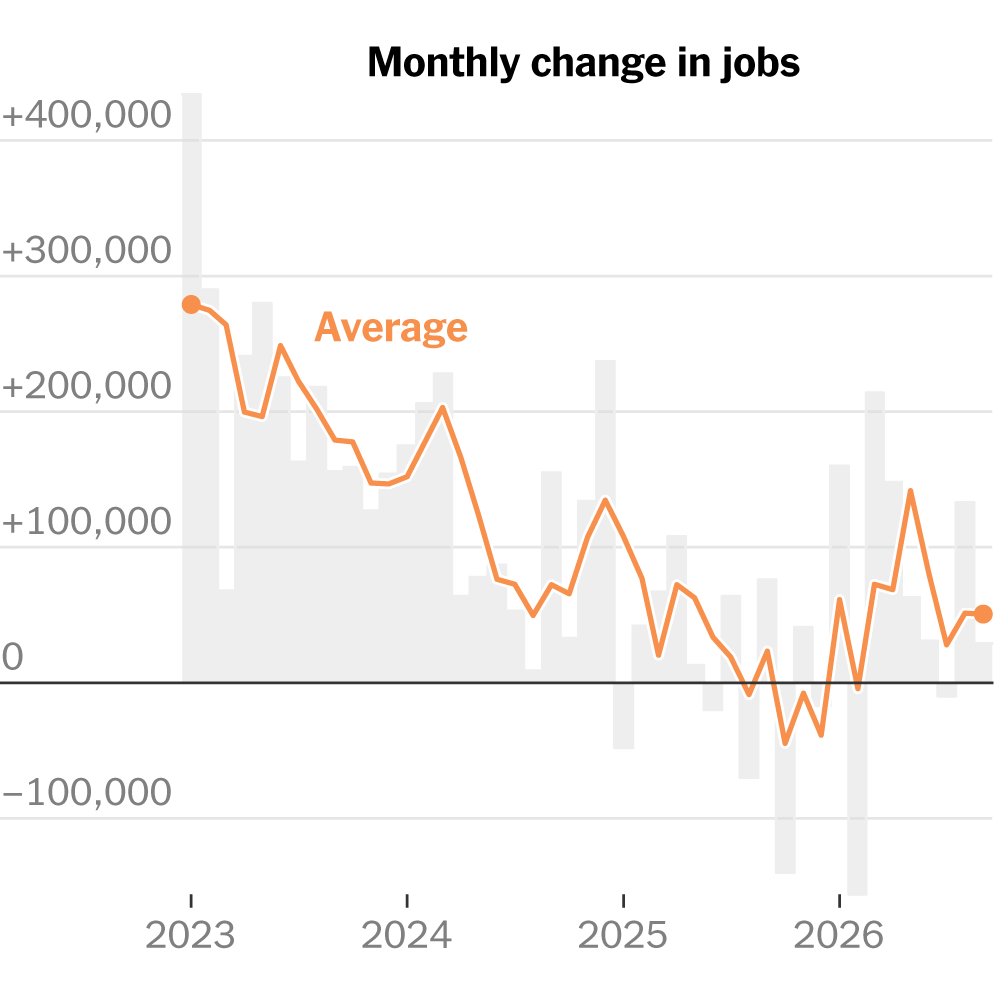
- U.S. employers added only 29,000 jobs in September 2026, significantly below the expected 90,000.
- Unemployment rose to 4.2 percent, up from 4.1 percent, marking a concerning trend in labor market stability.
- Wage growth slowed to 3.0 percent annually, falling behind inflation and reflecting reduced purchasing power for workers.
The context you actually need
- Persistent inflation pressures linked to the Iran conflict have contributed to a cautious hiring environment, with businesses hesitant to expand.
- Sector-specific resilience was noted in healthcare and construction, but overall job openings are declining, indicating a cooling labor market.
- Revisions to previous months' data revealed a downward adjustment of 60,000 jobs, suggesting that the labor market's strength may have been overstated.
What's really happening
The U.S. labor market is experiencing a notable cooling phase, as evidenced by the September jobs report released on October 2, 2026. The addition of just 29,000 jobs is the lowest figure in recent months and starkly contrasts with the revised 133,000 jobs added in August. This decline is not merely a statistical anomaly; it reflects deeper economic currents influenced by external factors, particularly the ongoing Iran conflict, which has driven energy prices and inflation higher since mid-2026.
As inflation persists, businesses are adopting a more cautious approach to hiring. The three-month average hiring pace has now dropped to approximately 50,000 jobs, indicating a significant slowdown from earlier in the year. The Federal Reserve's policymakers are closely monitoring these trends, as they may influence decisions regarding interest rates. With wage growth moderating to 3.0 percent annually, workers are facing a squeeze on their purchasing power, as inflation outpaces wage increases.
The labor market's cooling is further compounded by sector-specific dynamics. While healthcare and construction sectors added jobs—17,000 and 11,000 respectively—other sectors like government and professional services saw job losses. This uneven job growth highlights the fragility of the labor market, as businesses grapple with rising costs and uncertainty. The downward revisions to previous months' job gains also suggest that the labor market's resilience may have been overstated, raising concerns about future economic stability.
In this environment, businesses are likely to prioritize efficiency and cost management over aggressive hiring. The adoption of artificial intelligence and automation technologies is expected to continue, as companies seek to mitigate labor costs and enhance productivity. This shift may lead to a reconfiguration of job roles and a potential reduction in overall job availability, particularly for lower-skilled positions.
Who feels it first (and how)
- Job seekers: Those looking for employment may find fewer opportunities and increased competition.
- Small businesses: Companies may hesitate to hire due to economic uncertainty, impacting growth potential.
- Workers in affected sectors: Employees in government and professional services may face job insecurity as these sectors contract.
What to watch next
- Federal Reserve decisions: Watch for any signals regarding interest rate adjustments, as cooling job growth may prompt a pause in hikes.
- Inflation trends: Continued inflation could further impact wage growth and consumer spending, influencing overall economic health.
- Sector performance: Monitor job growth in key sectors like healthcare and construction for signs of resilience or further decline.
Job growth has slowed significantly, with September adding only 29,000 jobs.
Businesses will remain cautious in hiring amid economic uncertainty and inflation pressures.
The long-term impact of AI adoption on job availability and market dynamics remains to be seen.
Frequently Asked Questions
- Why it matters?
- The slowdown in job growth and rising unemployment could indicate broader economic challenges, impacting consumer spending and business investment.
- What happened (in 30 seconds)?
- U.S. employers added only 29,000 jobs in September 2026, significantly below the expected 90,000. Unemployment rose to 4.2 percent, up from 4.1 percent, marking a concerning trend in labor market stability. Wage growth slowed to 3.0 percent annually, falling behind inflation and reflecting reduced purchasing power for workers.
- What's really happening?
- The U.S. labor market is experiencing a notable cooling phase, as evidenced by the September jobs report released on October 2, 2026. The addition of just 29,000 jobs is the lowest figure in recent months and starkly contrasts with the revised 133,000 jobs added in August. This decline is not merely a statistical anomaly; it reflects deeper economic currents influenced by external factors, particularly the ongoing Iran conflict, which has driven energy prices and inflation higher since mid-2026.
- Who feels it first (and how)?
- Job seekers: Those looking for employment may find fewer opportunities and increased competition. Small businesses: Companies may hesitate to hire due to economic uncertainty, impacting growth potential. Workers in affected sectors: Employees in government and professional services may face job insecurity as these sectors contract.
- What to watch next?
- Federal Reserve decisions: Watch for any signals regarding interest rate adjustments, as cooling job growth may prompt a pause in hikes. Inflation trends: Continued inflation could further impact wage growth and consumer spending, influencing overall economic health. Sector performance: Monitor job growth in key sectors like healthcare and construction for signs of resilience or further decline.
Editor-curated FT homepage stories spanning markets, business, world, and opinion.
"The Financial Times is a globally respected business publication with a centrist/center-left tone and strong markets focus."
— A47 Editor
US economy adds just 29,000 jobs in September as hiring slows sharply
The U.S. economy added only 29,000 jobs in September, marking a significant slowdown in hiring compared to previous months, which raises concerns about economic momentum. This figure has reignited discussions regarding the Federal Reserve's potential...
Markets, economy, and company analysis from NYT’s business desk.
"The New York Times is a globally recognized newspaper offering authoritative reporting with a center-left editorial stance."
— A47 Editor
Hiring Slows as U.S. Jobs Report Shows Labor Market Shifting Into Lower Gear
The U.S. labor market showed signs of slowing in September, with job growth decelerating and the unemployment rate rising, indicating a shift towards a more cautious economic environment. This trend is compounded by persistent inflationary pressures ...
News from the United States including domestic politics, society, and culture.
"Global News is a mainstream Canadian media outlet generally considered to have a centrist editorial stance, covering news with a focus on factual reporting and national interest."
— A47 Editor
U.S. job growth slowed, unemployment ticked up last month as midterms near
U.S. employers added only 29,000 jobs last month, a significant slowdown in job growth, while the unemployment rate increased, according to government reports released ahead of the midterm elections. This disappointing data raises concerns about the ...
Key macro releases (CPI, jobs, PMIs), surprise indexes, and market implications.
"Great for data-print awareness and instant read-through to rates and risk assets."
— A47 Editor
U.S. economy adds fewer jobs than expected as unemployment rate ticks higher
The U.S. economy has added fewer jobs than anticipated, with the unemployment rate rising, indicating potential challenges in the labor market. This development reflects ongoing fluctuations in employment figures, following a previous unexpected loss...