
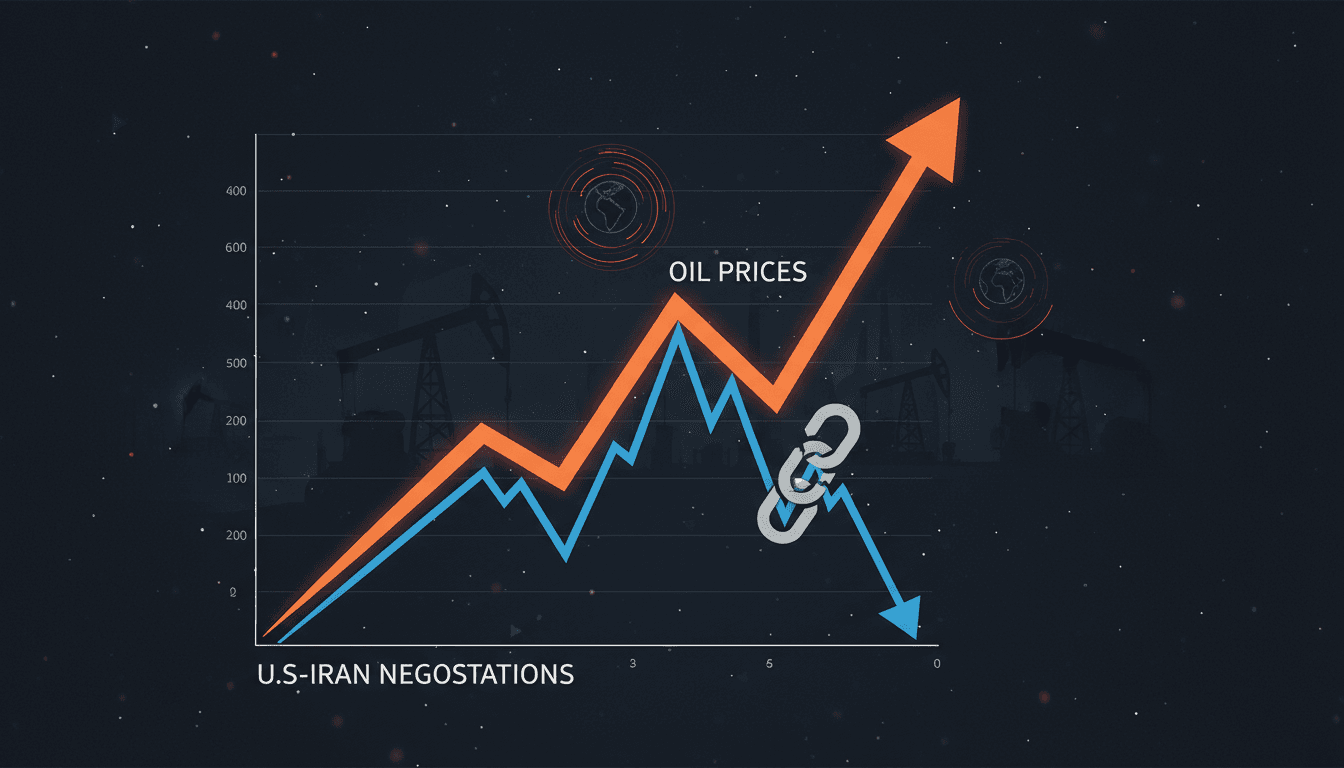
Oil prices rise amid U.S.-Iran negotiation breakdown
Here's what it means for you.
The recent rise in oil prices signals heightened market volatility, driven by geopolitical tensions between the U.S. and Iran. As negotiations stall, traders are increasingly concerned about potential supply disruptions, which could have far-reaching implications for global energy markets. Stakeholders should remain vigilant as the outcome of these discussions will likely influence pricing trends and market stability in the near future. The current price of Brent crude oil stands at $73.28, reflecting these concerns and the complexities of international relations in the region. As the situation evolves, businesses and policymakers must prepare for potential fluctuations in oil supply and pricing.
What happened
Oil prices have surged following a breakdown in negotiations between the U.S. and Iran, raising alarms about possible supply disruptions in the Middle East. The price of Brent crude oil has reached $73.28 a barrel, while U.S. West Texas Intermediate (WTI) has climbed to $69.84. This increase comes as high-level talks continue in Doha, although direct negotiations with Iran have not resumed.
The breakdown in discussions has led analysts to revise their oil price forecasts downward for the first time since the onset of the Iran war. The market is reacting to both the progress and setbacks in these negotiations, highlighting the delicate balance of geopolitical factors influencing oil prices.
The Context
The oil market is currently navigating the complexities of U.S.-Iran relations, which have been fraught with tension and uncertainty. Initial progress in talks had previously driven oil prices down to pre-war levels, but recent setbacks have reversed that trend. The Strait of Hormuz, a critical chokepoint for oil supply, has reopened but remains unpredictable, further complicating the situation.
As U.S. officials engage in high-level discussions, the implications of these negotiations extend beyond immediate pricing. The outcome will significantly impact global oil supply dynamics and market stability, making it a focal point for traders and analysts alike.
Takeaway
Looking ahead, it is crucial to monitor further developments in U.S.-Iran talks, as these will likely dictate future oil supply and pricing trends. Analysts will be watching for any signs of renewed negotiations or additional breakdowns, which could lead to further volatility in the market. The situation remains fluid, and the resolution of these discussions will be pivotal in shaping the oil landscape moving forward.
As geopolitical tensions evolve, stakeholders should prepare for potential shifts in oil price forecasts and market reactions. The ongoing dialogue between the U.S. and Iran will be a key factor in determining the stability of global oil markets.
Regional and international reporting focused on Middle Eastern politics, diplomacy, and economics.
"Asharq Al-Awsat is a Saudi-owned international newspaper reflecting mainstream Gulf political perspectives."
— A47 Editor
Gulf Stocks Little Changed as Markets Await Outcome of US-Iran Talks
Gulf stock markets remained relatively unchanged as investors await the outcome of ongoing indirect talks between the United States and Iran in Doha. These discussions, which focus on various contentious issues, including military tensions and econom...
Oil, metals, and agriculture: supply/demand headlines, OPEC chatter, inventories, and price action.
"Solid tape for energy and metals traders tracking macro and micro catalysts."
— A47 Editor
Oil prices hit pre-war levels on progress in U.S.-Iran technical talks
Oil prices have reached pre-war levels due to advancements in technical discussions between the U.S. and Iran, indicating a potential easing of tensions in the region. This development follows a series of military confrontations that have previously ...
Business, markets, economy, and corporate news with strong UAE and regional relevance.
"Emirates 24|7 business coverage tends to center UAE markets, property, regulation, and regional economic developments."
— A47 Editor
Oil prices rise as breakdown in Iran-US talks raises supply concerns
Oil prices have increased due to a breakdown in negotiations between Iran and the U.S. regarding a final agreement to end hostilities, raising concerns about potential supply disruptions in the Middle East. Brent futures rose to $73.28 a barrel, whil...