
Lula Reelection Triggers 14% Ibovespa Plunge on Fiscal Spending Fears
Why it matters
The 14% drop in the Ibovespa index signals that global capital demands immediate fiscal discipline when sovereign debt exceeds 80% of GDP and benchmark interest rates stand at 13.75%.
What happened (in 30 seconds)
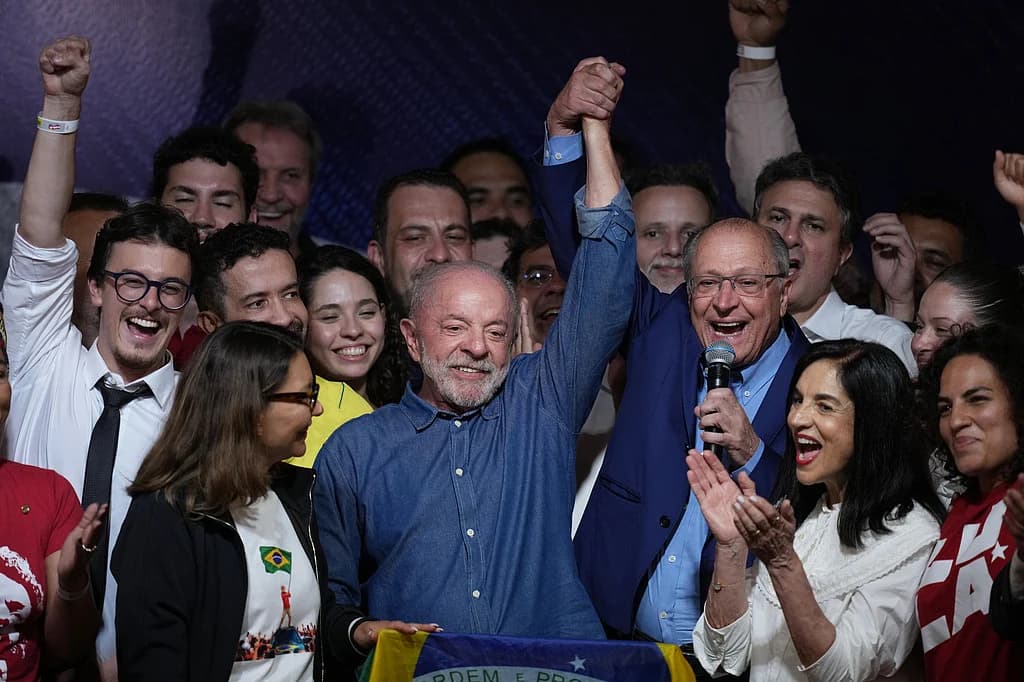
- An unexpected electoral outcome: Luiz Inácio Lula da Silva secured 52% of the vote in the October 25, 2026 runoff election against Flavio Bolsonaro, confounding pre-election polling that had pointed toward a conservative victory.
- An immediate equity sell-off: The Ibovespa index fell by as much as 17% intraday on October 27, 2026, triggering an automatic 30-minute circuit-breaker trading halt before settling with a 14% loss.
- A sharp foreign exchange depreciation: The Brazilian real tumbled as much as 12% intraday against the US dollar before closing down 8%, driven by market anxiety surrounding prospective expansions in public spending.
The context you actually need
- Pre-existing fiscal constraints: Brazil entered the election cycle carrying public debt above 80% of GDP alongside central bank benchmark interest rates of 13.75%, leaving tight fiscal headroom for additional state borrowing.
- Divergent policy platforms: While Flavio Bolsonaro campaigned on fiscal consolidation and public spending cuts, Lula ran on a platform prioritizing expanded welfare disbursements and debt relief for micro-entrepreneurs.
- A conservative legislative balance: Down-ballot legislative races produced conservative majorities across Congress, creating an institutional counterbalance capable of blocking or altering proposed budget measures.
What's really happening
The sell-off across São Paulo equity and currency markets is an institutional repricing of sovereign credit and macroeconomic risk. When election returns confirmed Lula da Silva’s victory with 52% of the runoff vote, market participants had to re-evaluate their exposure. Prior to the vote, asset prices reflected the expectation of a Flavio Bolsonaro administration focused on expenditure caps. Instead, the administration must now operate within an economy where government outlays already outpace state receipts, sovereign debt surpasses 80% of GDP, and central bank interest rates are set at 13.75%.
The structural mechanics driving the sell-off center on the cost of capital. Brazil’s high benchmark interest rate of 13.75% makes public debt service an ongoing budgetary liability. When an administration signals intentions to fund expanded social programs, higher cash transfers, and debt forgiveness for micro-entrepreneurs without identifying structural revenue offsets, bond and equity markets price in an increased likelihood of wider deficits. The resulting risk premium drives domestic yields higher, depresses the net present value of domestic corporate earnings, and encourages capital outflows. This chain reaction was evident on October 27, when the Ibovespa index dropped 17% intraday, forcing its first 30-minute trading halt since 2020 before ending the session down 14%.
Concurrently, currency markets executed a rapid adjustment. The Brazilian real’s intraday decline of 12% and closing loss of 8% against the US dollar mirror heightened concerns regarding sovereign fiscal sustainability. When local currencies depreciate rapidly under high interest rates, domestic monetary authorities face pressure to keep benchmark borrowing rates restrictive to curb imported inflation, creating a drag on corporate capital expenditure.
However, an institutional counterweight exists within Brazil's governance architecture. Down-ballot election results delivered majorities to conservative coalitions in Congress. As political analysts like Leandro Gabiati of Dominium note, this legislative composition creates structural resistance to unrestrained spending plans. In practice, the executive branch must negotiate policy through a divided legislature. Analysts at Deutsche Bank underscore that establishing a credible, transparent fiscal path will be essential to restoring investor confidence within this divided system. The central question for capital allocators is whether congressional opposition will enforce strict fiscal restraint, or whether extended legislative standoffs will prolong volatility across Brazilian assets.
Who feels it first (and how)
- Emerging market portfolio managers: Fund managers with exposure to Latin American equities face instant mark-to-market declines and mandatory risk-rebalancing following the Ibovespa's 14% drop.
- Brazilian corporate treasurers: Domestic balance sheets carrying US dollar-denominated debt see debt-servicing costs climb immediately due to the real’s 8% depreciation.
- Micro-entrepreneurs and retail borrowers: While earmarked for campaign-promised debt relief, small-business operators face sustained borrowing costs as benchmark rates stay elevated at 13.75%.
- Domestic institutional pension funds: Asset allocators relying on local equities absorb steep paper losses following the first market trading halt since 2020.
What to watch next
- The Economy Minister nomination: The appointment of a market-vetted or orthodox economic team will signal whether the administration intends to preserve spending caps or prioritize campaign welfare promises.
- Congressional coalition negotiations: How the conservative-led Congress structures initial committee appointments will reveal its capacity to block or amend fiscal expansion measures.
- Central bank policy communications: Statements from monetary authorities regarding the real’s 8% drop will indicate whether benchmark rates will remain pinned at 13.75% or tighten further to counteract imported inflation.
Lula won the runoff with 52% of the vote, triggering a 14% drop in the Ibovespa and an 8% drop in the Brazilian real amid public debt exceeding 80% of GDP.
Conservative majorities across Congress will act as an institutional hurdle against unbudgeted social outlays and debt-forgiveness programs.
Whether defeated challenger Flavio Bolsonaro’s refusal to concede, citing transport-related voting extensions, will generate prolonged legal or administrative friction.
Frequently Asked Questions
- Why it matters?
- The 14% drop in the Ibovespa index signals that global capital demands immediate fiscal discipline when sovereign debt exceeds 80% of GDP and benchmark interest rates stand at 13.75%.
- What happened (in 30 seconds)?
- An unexpected electoral outcome: Luiz Inácio Lula da Silva secured 52% of the vote in the October 25, 2026 runoff election against Flavio Bolsonaro, confounding pre-election polling that had pointed toward a conservative victory. An immediate equity sell-off: The Ibovespa index fell by as much as 17% intraday on October 27, 2026, triggering an automatic 30-minute circuit-breaker trading halt before settling with a 14% loss. A sharp foreign exchange depreciation: The Brazilian real tumbled as muc
- What's really happening?
- The sell-off across São Paulo equity and currency markets is an institutional repricing of sovereign credit and macroeconomic risk. When election returns confirmed Lula da Silva’s victory with 52% of the runoff vote, market participants had to re-evaluate their exposure. Prior to the vote, asset prices reflected the expectation of a Flavio Bolsonaro administration focused on expenditure caps. Instead, the administration must now operate within an economy where government outlays already outpace
- Who feels it first (and how)?
- Emerging market portfolio managers: Fund managers with exposure to Latin American equities face instant mark-to-market declines and mandatory risk-rebalancing following the Ibovespa's 14% drop. Brazilian corporate treasurers: Domestic balance sheets carrying US dollar-denominated debt see debt-servicing costs climb immediately due to the real’s 8% depreciation. Micro-entrepreneurs and retail borrowers: While earmarked for campaign-promised debt relief, small-business operators face sustained bor
- What to watch next?
- The Economy Minister nomination: The appointment of a market-vetted or orthodox economic team will signal whether the administration intends to preserve spending caps or prioritize campaign welfare promises. Congressional coalition negotiations: How the conservative-led Congress structures initial committee appointments will reveal its capacity to block or amend fiscal expansion measures. Central bank policy communications: Statements from monetary authorities regarding the real’s 8% drop will i
UAE-based newspaper covering Gulf politics, society, and international developments.
"Gulf News is one of the UAE’s most prominent English-language publications."
— A47 Editor
Lula win rattles Brazil markets over spending spree fears
Brazil's currency and markets reacted negatively after Luiz Inácio Lula da Silva, 80, won a fourth, non-consecutive presidential term in the October 25, 2026 runoff, narrowly defeating far-right Senator Flávio Bolsonaro, with about 99% of votes count...
A curated Gulf News feed featuring major stories across news, business, opinion, and lifestyle.
"Gulf News is a major UAE newspaper whose featured stories feed reflects a broad editorial mix shaped for a Gulf audience."
— A47 Editor
Lula win rattles Brazil markets over spending spree fears
Brazil's currency and markets reacted negatively after Luiz Inácio Lula da Silva, 80, won a fourth, non-consecutive presidential term in the October 25, 2026 runoff, narrowly defeating far-right Senator Flávio Bolsonaro, with about 99% of votes count...
Editor-curated FT homepage stories spanning markets, business, world, and opinion.
"The Financial Times is a globally respected business publication with a centrist/center-left tone and strong markets focus."
— A47 Editor
Lula’s stunning comeback meets fiscal reality
Brazilian President Luiz Inácio Lula da Silva has won a fourth term in a knife-edge runoff, reversing a deteriorating electoral position in roughly three weeks, according to the Financial Times. The base story frames his comeback as meeting fiscal re...
Macro commentary, policy analysis, growth/inflation themes, and global outlooks.
"Contextual macro coverage that complements day-to-day market headlines."
— A47 Editor
Analysis-Brazil’s Lula hangs on, but his final term promises to be toughest yet
Brazilian President Luiz Inácio Lula da Silva won a fourth term in a knife-edge runoff against right-wing challenger Flávio Bolsonaro, whom many investors had preferred, prompting expectations of a sharp market reaction as Brazilian assets were braci...
Macro commentary, policy analysis, growth/inflation themes, and global outlooks.
"Contextual macro coverage that complements day-to-day market headlines."
— A47 Editor
Five economic challenges facing Brazil’s re-elected President Lula
Brazil's President Lula, now re-elected, faces five major economic challenges according to an Investing.com analysis, a neutral-toned overview of the fiscal and financial pressures confronting his new term.