
Oil prices fluctuate amid US-Iran tensions and mediation efforts
Here's what it means for you.
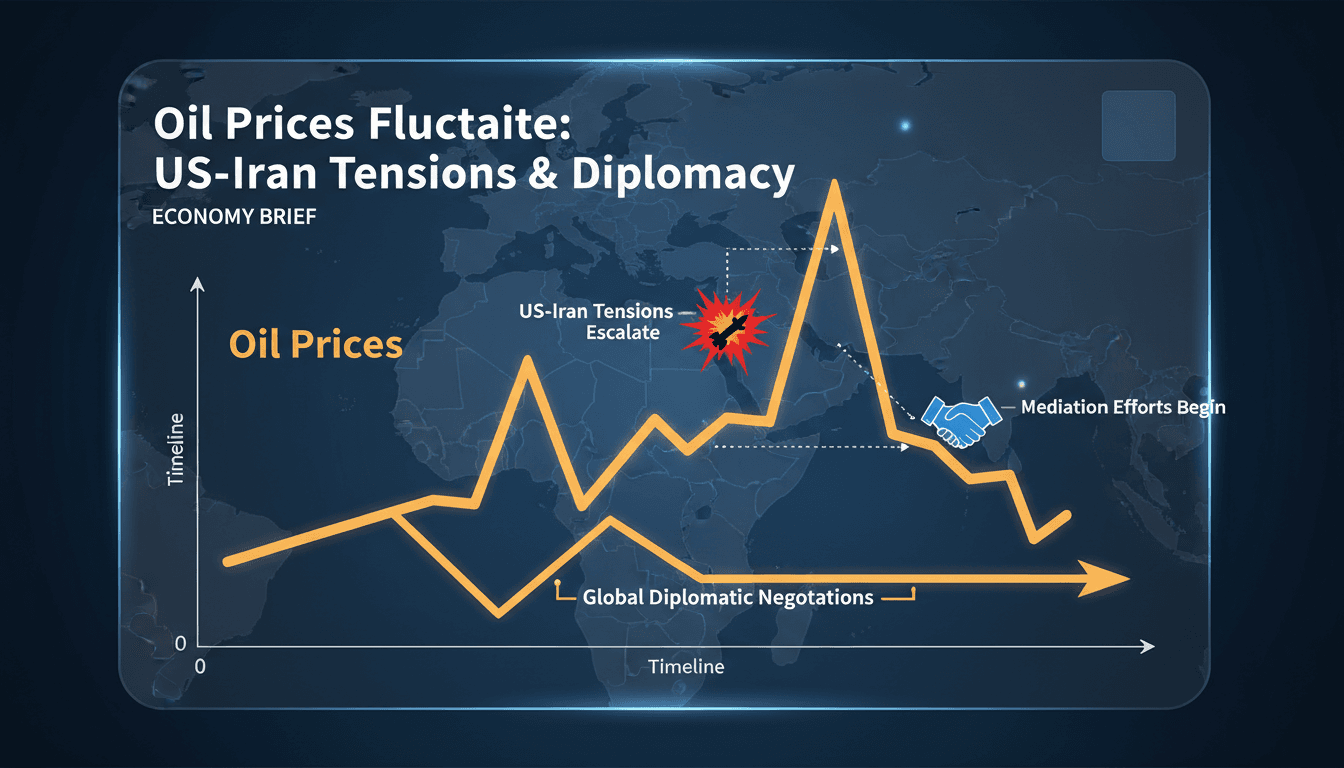
The recent fluctuations in oil prices highlight the sensitivity of the market to geopolitical tensions and diplomatic efforts. As the US and Iran engage in military actions, the potential for conflict escalation has driven prices to a five-week high. However, ongoing mediation efforts have introduced a level of uncertainty, leading to a subsequent dip in prices. Stakeholders in the oil market should remain vigilant as these developments could significantly impact pricing dynamics in the near future. The interplay between military actions and diplomatic negotiations will continue to shape market perceptions and investor confidence. Understanding these factors is crucial for making informed decisions in an increasingly volatile environment.
What happened
Oil prices recently surged to a five-week high due to escalating military tensions between the US and Iran. This spike was primarily driven by a series of military strikes that heightened concerns over regional stability. However, as mediation efforts aimed at de-escalating the conflict emerged, prices began to dip, reflecting market reactions to the potential for reduced hostilities.
The fluctuations in oil prices underscore the market's sensitivity to geopolitical events. The ongoing situation remains fluid, with the potential for further changes as diplomatic negotiations progress.
The Context
The US and Iran have been engaged in military strikes, significantly heightening tensions in the region. These developments have not only affected oil prices but have also raised concerns about the stability of oil supply chains. Mediation efforts are currently underway, which aim to reduce the conflict and influence market perceptions positively.
Additionally, the threat of a Houthi blockade has further complicated the oil market dynamics. This multifaceted situation underscores the importance of monitoring both military actions and diplomatic negotiations as they unfold.
Takeaway
As mediation efforts continue, the oil market is likely to remain volatile, with prices susceptible to both geopolitical developments and diplomatic breakthroughs. Stakeholders should closely monitor the progress of US-Iran negotiations, as any significant changes could lead to further fluctuations in oil prices. Additionally, developments regarding Houthi actions will be critical in assessing potential impacts on oil supply.
The situation remains dynamic, and ongoing diplomatic efforts could play a pivotal role in shaping the future of oil pricing.
Oil, metals, and agriculture: supply/demand headlines, OPEC chatter, inventories, and price action.
"Solid tape for energy and metals traders tracking macro and micro catalysts."
— A47 Editor
Oil prices rise to five-week high on US-Iran attacks, Houthi blockade threat
Oil prices have surged to a five-week high, driven by escalating military actions between the U.S. and Iran, alongside threats from Yemen's Houthi rebels to disrupt shipping in the Red Sea. This increase reflects market reactions to heightened geopol...
Regional and international reporting focused on Middle Eastern politics, diplomacy, and economics.
"Asharq Al-Awsat is a Saudi-owned international newspaper reflecting mainstream Gulf political perspectives."
— A47 Editor
Oil Prices Dip as Mediation Efforts Offset US-Iran Strikes
Oil prices have dipped as ongoing mediation efforts attempt to offset the impact of recent US-Iran military strikes, which have heightened tensions in the Middle East. This fluctuation in oil prices reflects the delicate balance between geopolitical ...
Pan-Arab news coverage spanning politics, business, sports, and regional affairs.
"Asharq Al-Awsat reflects a broad Arab editorial perspective with strong attention to regional geopolitics."
— A47 Editor
النفط يتراجع مع ترقب جهود الوساطة بين واشنطن وطهران رغم استمرار الضربات
Oil prices declined on Tuesday as markets balanced reports of mediation efforts aimed at de-escalating tensions between the United States and Iran, despite ongoing strikes in the region.