
Brent Slips Toward Third Weekly Loss as Ample Global Supply Outweighs Iran Strike Risk in Hormuz
What happened
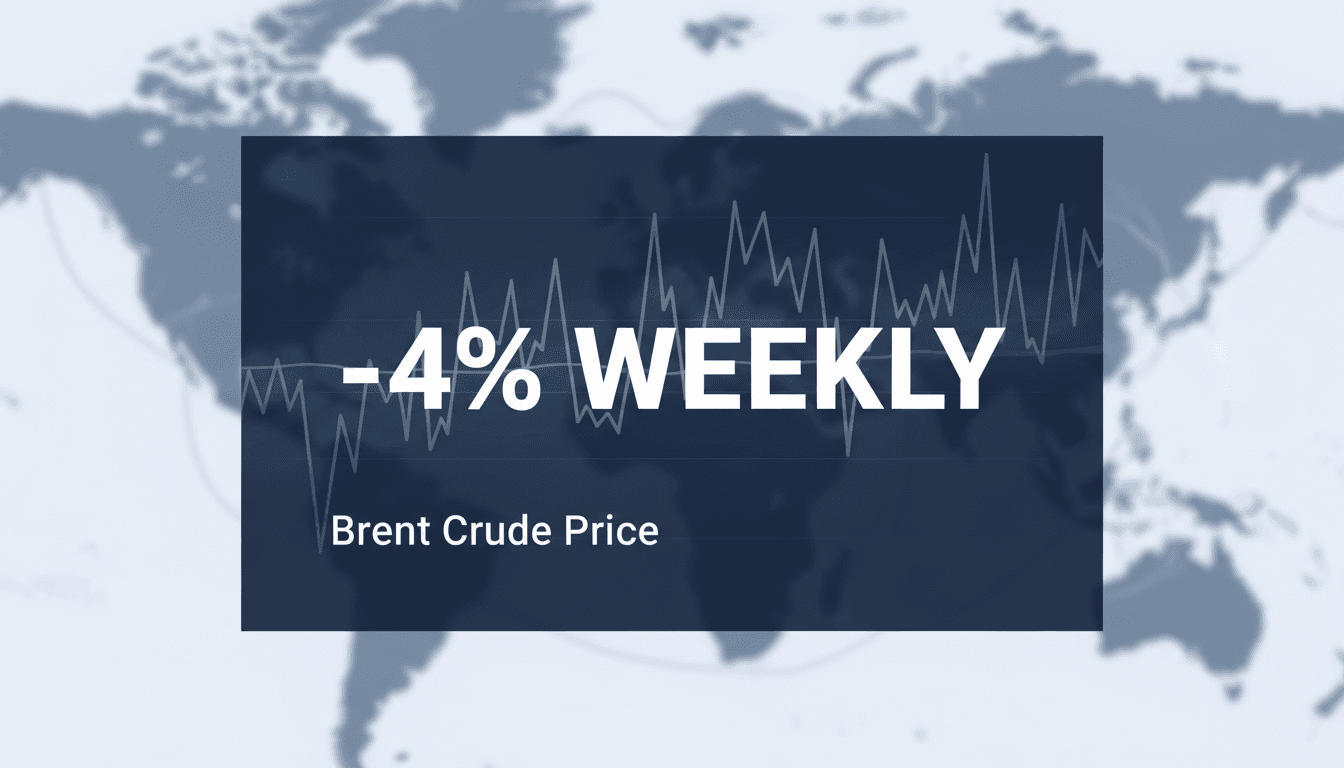
Brent crude settled near $92 per barrel and West Texas Intermediate traded around $83, locking in a weekly decline of 4% to 5% despite heightened friction between the U.S. and Iran.
The Context
- Inventory growth offsets regional friction: A 3.4-million-barrel build in U.S. crude stockpiles and projected global surpluses of 2 million barrels per day blunted price spikes from recent naval skirmishes in the Strait of Hormuz.
- Hormuz tanker transit holds strong: U.S. Energy Secretary Chris Wright confirmed that maritime trade through the vital waterway is operating at record volumes, preventing immediate systemic supply chokepoints.
- Washington avoids swift escalation: President Donald Trump signaled a measured stance on potential military actions against Tehran, keeping risk premiums confined to intraday swings of roughly $2 per barrel rather than a structural rally.
The Number
— even with live threats to Persian Gulf energy transit, structural supply cushions are dominating headline risks, keeping fuel and logistics overhead stable for global firms.
Takeaway
Expect baseline operational expenses to remain steady into next quarter unless physical outages in Gulf transit corridors eclipse the market's 2-million-barrel daily surplus.
Global markets, investing, and macroeconomics from a premier financial newsroom.
"Bloomberg is respected for in-depth financial reporting and data-driven analysis."
— A47 Editor
Latest Oil Market News and Analysis for Nov. 20
Oil prices edged higher after a volatile Thursday session, putting futures on track for a third weekly decline as traders weighed the risk of renewed US strikes on Iran against ample global supply.
Oil, metals, and agriculture: supply/demand headlines, OPEC chatter, inventories, and price action.
"Solid tape for energy and metals traders tracking macro and micro catalysts."
— A47 Editor
Oil prices settle higher amid fears of renewed violence between U.S. and Iran
Oil prices settled higher as fears of renewed violence between the U.S. and Iran pushed crude upward, according to a report from Investing.com. The base report frames the move as a negative development for energy markets, with the gains tied to conce...
Markets desk coverage, trading insights, and investor updates.
"WSJ’s markets reporting provides in-depth analysis and context for investors."
— A47 Editor
Oil Futures End Volatile Session Near Flat
Oil futures finished little changed in a volatile session as renewed concerns about possible escalation in the Middle East were offset by an improving global supply situation, according to The Wall Street Journal.
U.S. business news, corporate developments, and economy.
"The Wall Street Journal is respected for deep financial and economic reporting with a center-right editorial perspective."
— A47 Editor
Oil Futures Pick Up as Middle East Risks Remain
Oil futures recovered some of Wednesday's losses in choppy trading as renewed concerns about possible escalation in the Middle East lifted prices, while an improving global supply situation limited the extent of the rebound, according to The Wall Str...