
Oil prices reach six-week high amid US-Iran tensions
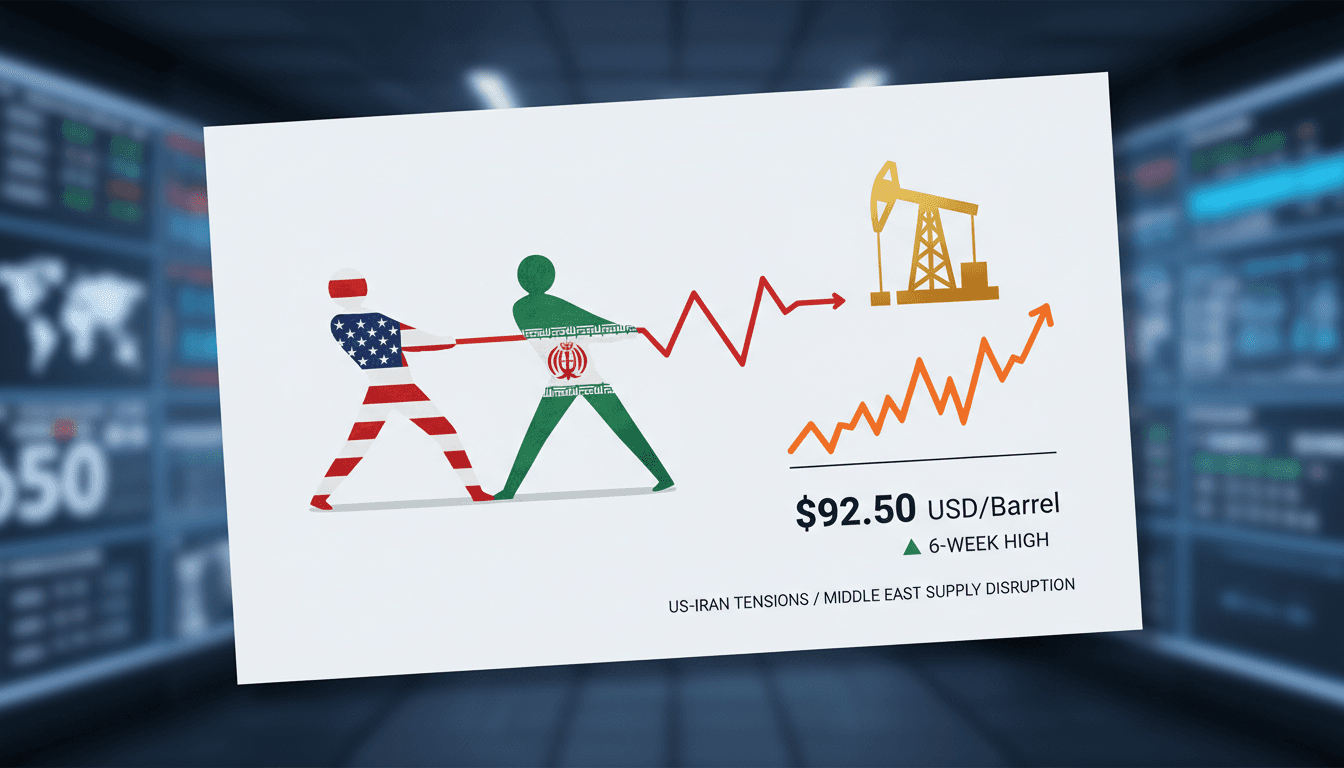
Here's what it means for you.
The recent surge in oil prices signals heightened market anxiety over geopolitical tensions, particularly between the US and Iran. This situation could lead to increased costs for consumers and businesses reliant on oil, impacting everything from transportation to manufacturing. As traders react to these developments, volatility in oil prices may persist, affecting investment strategies and economic forecasts.
What happened
Oil prices have risen significantly, reaching a six-week high as of July 22, 2026, amid escalating tensions between the US and Iran. This increase reflects growing concerns over potential disruptions in Middle Eastern supply routes, which are critical to global oil supply. The market's reaction has been swift, with traders responding to fears of instability in the region.
As the conflict between the US and Iran intensifies, the implications for global oil supply become more pronounced. Recent trading sessions have shown a consistent upward trend in oil prices, indicating that market participants are closely monitoring the situation.
The Context
The ongoing conflict between the US and Iran has created a climate of uncertainty that directly impacts oil supply concerns. Stakeholders in the energy sector are particularly sensitive to developments in this geopolitical landscape, as any escalation could disrupt supply chains. The timing of this price increase coincides with heightened military and diplomatic tensions, making it a critical moment for market observers.
This situation matters not only for oil traders but also for consumers and policymakers who may face rising energy costs. The sustained increase in oil prices over the past six weeks highlights significant market volatility, which could have broader economic implications.
Takeaway
Looking ahead, continued geopolitical tensions between the US and Iran may lead to further fluctuations in oil prices. Traders and investors should remain vigilant for any developments that could impact supply and demand dynamics in the oil market. Monitoring announcements regarding military actions or diplomatic efforts will be crucial in assessing potential market reactions.
As the situation evolves, the outlook for oil prices remains uncertain, suggesting that stakeholders should prepare for ongoing volatility. The market's response to these geopolitical developments will be key in shaping future price trends.
Oil, metals, and agriculture: supply/demand headlines, OPEC chatter, inventories, and price action.
"Solid tape for energy and metals traders tracking macro and micro catalysts."
— A47 Editor
Oil prices rise to six-week high as US-Iran tensions escalate
Oil prices have reached a six-week high, driven by escalating tensions between the United States and Iran, which have heightened market volatility and concerns over supply disruptions. This surge reflects the ongoing geopolitical conflict that has in...
Pan-Arab news coverage spanning politics, business, sports, and regional affairs.
"Asharq Al-Awsat reflects a broad Arab editorial perspective with strong attention to regional geopolitics."
— A47 Editor
النفط يسجل ذروة 6 أسابيع مع تصاعد وتيرة حرب إيران
Oil prices have continued to rise, reaching a six-week high on Wednesday, driven by increasing concerns over potential disruptions to supply routes in the Middle East amid escalating tensions between the United States and Iran.
Regional and international reporting focused on Middle Eastern politics, diplomacy, and economics.
"Asharq Al-Awsat is a Saudi-owned international newspaper reflecting mainstream Gulf political perspectives."
— A47 Editor
Oil Extends Gains to Near Six-Week Highs on New Middle East Supply Risks
Oil prices have extended their gains, reaching near six-week highs, driven by new supply risks emerging from the Middle East. The escalation of geopolitical tensions, particularly in the Strait of Hormuz and the Red Sea, has raised concerns about pot...