
Qatar plans to boost LNG production as Strait of Hormuz reopens
Here's what it means for you.
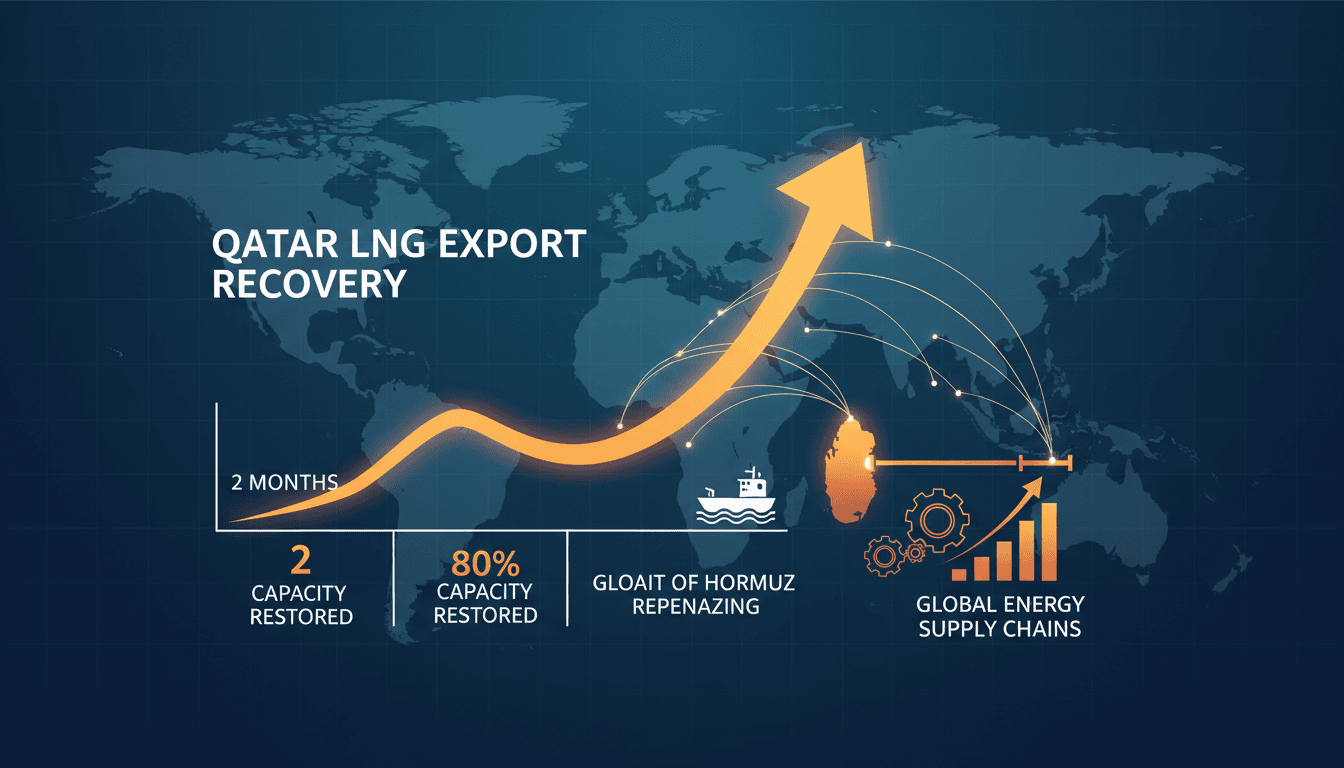
Qatar's initiative to ramp up liquefied natural gas (LNG) production signals a pivotal moment for global energy markets. The reopening of the Strait of Hormuz is expected to restore significant export capacity, which could stabilize supply chains affected by recent geopolitical tensions. As Qatar aims for an 80% recovery within two months, stakeholders should prepare for potential shifts in energy pricing and availability. The implications extend beyond Qatar, as the Strait of Hormuz is a critical artery for global oil and gas supplies. A swift recovery in LNG exports could influence market dynamics and energy policies worldwide.
What happened
Qatar is poised to significantly increase its liquefied natural gas (LNG) production following the anticipated reopening of the Strait of Hormuz. The country aims to restore most of its export capacity within two months, despite ongoing challenges due to force majeure conditions. This strategic move is designed to address the pressing need for enhanced export capabilities in light of recent disruptions.
The reopening of the Strait is crucial for QatarEnergy, which is targeting an 80% restoration of capacity. The timeline for traffic through the Strait may take weeks to return to prewar levels, which could further impact global markets.
The Context
The Strait of Hormuz is a vital shipping route for global oil and gas supplies, making its reopening a significant event for energy stakeholders. Qatar's plans to boost LNG production come amid ongoing geopolitical tensions that have affected export capabilities. The force majeure conditions currently in place are expected to last until August, complicating the recovery process.
As Qatar prepares to ramp up production, the situation remains fluid, with potential implications for global energy supply and pricing. The successful reopening of the Strait is essential for stabilizing energy markets and influencing supply chains worldwide.
Takeaway
The reopening of the Strait of Hormuz could lead to a swift recovery in Qatar's LNG exports, impacting global energy markets. Stakeholders should closely monitor the timeline for the Strait's reopening and updates on QatarEnergy's production capacity. The next few months will be critical in determining how quickly traffic through the Strait can return to normal levels.
As the situation develops, the energy sector will need to adapt to the changes in supply dynamics and pricing that may arise from Qatar's recovery efforts.
Business and economy coverage focused on Dubai, the UAE, Saudi Arabia, and the wider Middle East.
"Arabian Business is a well-known regional business outlet with strong focus on Gulf markets, leadership, and investment stories."
— A47 Editor
Qatar races to restore LNG export capacity amid peace talks
Despite force majeure continuing until August, QatarEnergy targets 80 percent capacity restoration within two months of Hormuz reopening
Global markets, investing, and macroeconomics from a premier financial newsroom.
"Bloomberg is respected for in-depth financial reporting and data-driven analysis."
— A47 Editor
Qatar Plans to Rapidly Restart LNG Production After Hormuz Opens
Qatar is set to rapidly increase its liquefied natural gas (LNG) production following the anticipated reopening of the Strait of Hormuz, aiming to restore most of its export capacity within two months. This decision comes after an interim agreement b...